2023/3/21
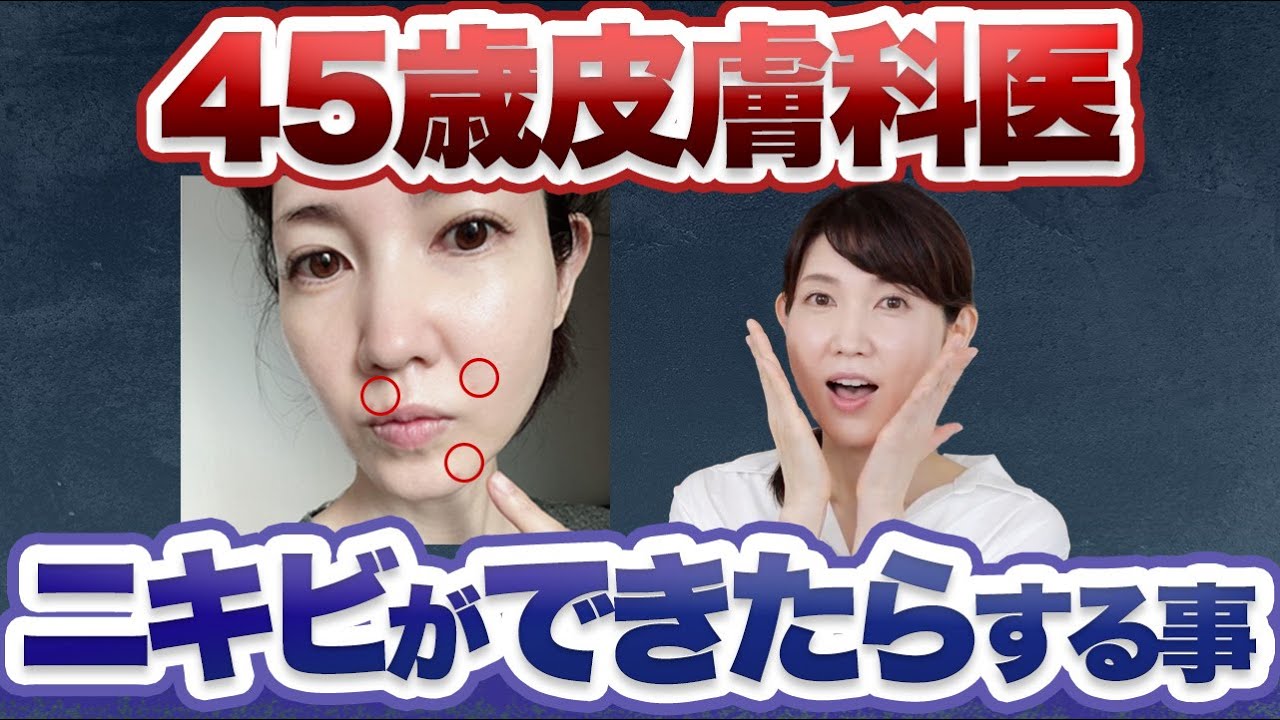
45歳皮膚科医がニキビができたらすることをご紹介します。
文字起こし(日本語)
皆さんこんにちは、とものたねです。今日は「45歳の医師がニキビができたらやるべきこと」というテーマでお話ししたいと思います。
というのも、少し前にインスタグラムでこんな投稿をしたんです。本当に忙しかったこともあり、たまにポツンとニキビができることがあったのですが、その時はちょうど頬の法令線のあたりと顎、口元に1個ずつニキビができてしまいました。撮影も多かったので、「45歳になっても私の皮脂腺はまだまだ活発ね」というようなことをインスタに載せたところ、「どうやって治すんですか?」とか「大人ニキビの色素沈着がなかなか改善しない」という方もいらっしゃったので、私自身がどのようにニキビができた時に対応しているかをお話ししたいと思います。
今日お話しするのは、クリニックで処方するお薬は一旦置いておきます。私がニキビができる時は本当にポツポツポツという感じなんです。結局、出す薬というのはニキビ菌を殺すようなお薬ですね。本当の思春期のニキビの場合は、毛穴を詰まらせなくするようなものを顔全体、または部分的に塗ることが多いと思いますが、今回はあくまでもポツポツとできたものなので、ニキビの治療薬、保険でできるものは一旦置いておきます。これは以前もお話ししたことがあるので、それは置いておいて、私がスキンケアをどう変えていくか、本当にニキビがポツンとできた時にどうするかというお話をしたいと思います。
まず私自身、ニキビがポツッと出る時はだいたい顔の下半分なんです。上にできることはだんだん少なくなってきて、どうしてもフェイスラインなどにできることが多いです。なのでまず私がニキビができてしまった時にやることは、スキンケアを顔の上下で分けることです。
というのも、ニキビというのは大人でも思春期でも、結局は毛穴に皮脂が詰まって、そこでアクネ菌が増殖してニキビになっているんです。だから、毛穴の中に皮脂が詰まるということが始まっているんですね。なので、ニキビができているところには角質ケアや皮脂をためないようなケアをしていくべきなのですが、できていないところまでやってしまうと、大人の肌は結構乾燥してしまうんです。だからこそ、できている部分だけ、私の場合は上下で分けています。
だいたい目から上はいつものエイジングケアのスキンケアを使い、鼻から下はノンコメドジェニックの化粧品に変えていきます。ざっくり言うと、上は保湿をして、下はノンコメドで皮脂分泌を抑えながら毛穴の詰まりを改善していく、というものに分けています。
とはいっても、やはり大人ニキビは保湿も結構大事なんですよね。だから取り去る系だけじゃなくて、大人ニキビ用というものにしておいた方がいいんじゃないかなと思います。今回私が使ったのは、アクセーヌさんの大人ニキビ用のアイテムです。やはり大人ニキビでも炎症が起こっているということは確かじゃないですか。だから炎症を抑える系のアラントインやグリチルリチンなどが入っていて、炎症を抑えつつ、ニキビ菌から来るような炎症を抑えるような抗炎症成分も入っているんです。なのでとりあえず鎮静させるということですね。でもやはり大人ニキビだから保湿もしっかりしてくれる。ある程度鎮静もやってくれて、もちろんノンコメドになっています。
こちらはパウダーの洗顔料なんですけれども、これで角質ケアが結構できるんです。酵素洗顔みたいな感じになっているので、泡立てて口周りだけをしっかり洗うということをしていました。ただ、しっかり洗うといっても、大人ニキビで気をつけたいのは潰しちゃダメなんです。クリニックでちゃんとレーザーなどで潰すのはいいんですよ。そうすることによって、熱で周りに炎症が行くものを抑えるので。だけどうっかり潰してしまうと、炎症性の物質がわーっと拡散されてしまうので、なるべく潰さないように洗顔やスキンケアをする時も優しくやるということがポイントです。
もちろんこのアクセーヌじゃなくてもいいんですけれども、しっかりと泡を立てて、優しくニキビの場所を洗うようにして、決してゴシゴシしたり、スクラブが入っているものは絶対にやめてください。スキンケアは炎症を抑えつつ、大人ニキビなので保湿もできるノンコメドジェニックのものを、上下で分けて使うようにしています。
そして日中ですよね。ボーンとできている時に思いっきりコンシーラーなどで隠すのがちょっと気が引ける時があるじゃないですか。もちろん撮影などの一瞬だったらいいんですけれども、そうじゃない普段の時に、ここにドーンとあるものを日中隠していると悪化しちゃうのが嫌だなと思った時に、すごくこれが使えました。
こちらはアクセーヌ イプノス シーバムクリア リペアクリームです。こちらは薬用クリームなんですけれども、実はこんな感じでベージュになっています。例えばこれをニキビとすると、この上にちょっと乗せて、こんな感じで周りをトントントンとやっていくと、こんな感じでコンシーラーみたいに日中ニキビを隠してくれるというものになっています。
こちらには、ニキビ菌の増殖を抑えるイソプロピルメチルフェノールというものと、ニキビによる炎症を抑えてくれるグリチルリチン酸ジカリウム、あとは炎症性の色素沈着を抑えるビタミンCの誘導体も入っているんです。だから日中隠しているとそれだけでニキビがどんどん大きくなってくるような気がするじゃないですか。それも抑えながら、炎症性の色素沈着も抑えながら、かつちゃんと補正効果というかカバー力もあるので、ニキビが赤くなって炎症していてもコンシーラータイプで隠せるというものです。今回私は3カ所できた時にはすごく重宝しました。
これで日中、ある程度ニキビの炎症も終わって、だんだんポコッとしたものもなくなってきて、そこからが大人ニキビって長くないですか。炎症は終わったんだけれども、炎症性の色素沈着、要はシミみたいにポンポンポンって残っちゃうんです。だからこれがやっぱり大人ニキビの嫌なところだなと思っているので、それを防ぐために今回使い切ってしまって瓶をなくしてしまったのですが、こちらをご紹介したいと思います。
シーラボさんのビタミンCと、あとはピーリングで1、2、3とだんだん上がっていくものがあるんです。VC100 ミルクピールプログラムというアイテムになります。これは1、2、3とピーリングの濃度が上がっていくんですけれども、PHAとAHAが入って、プラスビタミンCも入っていて、ナイアシンアミドも入っているという感じです。だから角質ケアもしながらビタミンCで色素沈着も抑えていく。あとはやはりニキビが1個2個できたということは、ニキビができやすい状態になっているところなので、他のところに塗ってもニキビの予防になるので、私はこちらを全体的に塗って、部分的な色素沈着ケアもしつつ、これ以上ニキビができないようにするというのに、すごくこれはおすすめです。
といっても、私みたいにテカりやすい肌ではなく、実はベースが乾燥肌でピーリングがちょっと嫌だなとか、本当にここだけで他にはニキビができる予定がなさそうという人には、部分ケアに切り替えていただいた方がいいかなと思うので、そういう時にはやっぱり部分的な色素沈着ケアという時にこちらがおすすめかなと思います。
オルビス クリアフル アクネブライトエッセンスです。こちらはこういう感じのニキビ跡の場所に部分的に塗るような美容液です。オルビスのクリアフルシリーズというのもノンコメドで結構ニキビ対策にもいいので、私は今回アクセーヌを使いましたが、オルビスでも全体的なスキンケアとしていいと思います。特にこのブライトエッセンスは、ニキビが終わった後の色素沈着にすごくいいなと思ったんです。というのもビタミンCが結構しっかり入っているんですよ。だから美白の美容液としてもいいんじゃないかなと思うぐらい色素沈着を改善してくれる。ビタミンC誘導体というのは、できたメラニンを改善してくれるものと、色素沈着の改善というものがあるので、やはりビタミンCが入っていて、ある程度美白ケアに近いものを使っていった方がいいんじゃないかなと思うので、そういった意味でもオルビスのものはいいかなと思います。
もう一つ、やっぱり日中もケアしたいじゃないですか。炎症があるわけじゃないんだけど色素沈着をカバーする。カバーするだけだったらもちろん一般のコンシーラーでもいいと思うんですけれども、その時にも色素沈着をケアしながらカバーしたいなというのが乙女心じゃないですか。その時のおすすめがこちらです。メラノCC スポットコンシーラーになります。
こちらはちょっと固めのコンシーラーです。これにはビタミンCの誘導体が入っているんです。なのでコンシーラーで部分的に気になるところをケアしながら、そこを日中ビタミンCの誘導体があることによってカバーもしながらスキンケアもできる。これ実はSPF26ぐらいあるんですよ。紫外線が当たってまた炎症性の色素沈着が悪化するのを防いでくれるというものになります。
これでだいたいニキビができてから1ヶ月から1ヶ月半ぐらいかけて色素沈着を弱めていくというようなイメージですかね。もちろんその間、クリニックでレーザーをしたりピーリングをしたりというところも私自身はできるんですけれども、もしそれをしなかったと仮定して、もちろんそれプラス私の場合はレーザーを当てたりということもできるんですけれども、大人ニキビになった時にはこういう感じのスキンケアを私がだいたいしていくことが多いので、参考にしていただければなと思います。
ただもちろん何回も言いますが、ニキビはスキンケアで治すものではなく、あくまでもこれはニキビができた時にどうスキンケアを変えていくかという私自身のもので、治療はクリニックでやることが大前提です。なので何回も言いますけれども、これはあくまでもクリニックの治療のサポート的なものと考えていただいて、ニキビが1個できたとかだったらまだあれですけれども、ニキビで本当に悩んでいる方は必ず皮膚科に行くようにしてみてください。
いかがでしたか?今日は私が大人ニキビが3つもできてしまったので、そのケア方法と、あとはどうやって大人ニキビの跡をなくしていくかというようなことをお話ししたんですけれども、まだ実は1ヶ月ちょっとしか経っていないので少し薄っすら残っているんですけれども、だいたいこんな感じで治していくので、ご参考にしていただけると嬉しいです。
ということで、今日も最後までご覧いただきありがとうございました。また次の動画でお会いしましょう。さようなら。
【チャンネル登録よろしくお願いします】
Transcript (English)
Hello everyone, this is Tomo no Tane. Today I want to talk about "What a 45-year-old dermatologist does when a pimple appears."
A little while ago, I posted something on Instagram. I had been really busy, but occasionally I'd get a single pimple popping up. At that time, I had three pimples appear at once — one near my nasolabial fold, one on my chin, and one near my mouth. I had photo shoots coming up too, so I posted something like "Even at 45, my sebaceous glands are still quite active!" on Instagram. In response, some people asked "How do you treat it, doctor?" and others said "My adult acne discoloration just won't improve." So today I want to share how I personally handle it when I get a pimple.
What I'll be talking about today doesn't include the prescription medications we give at the clinic. When I get acne, it's really just a pimple here and there. The medications we prescribe are essentially ones that kill acne-causing bacteria. For actual teenage acne, treatments that prevent pores from clogging are often applied to the whole face or specific areas, but since today's topic is about occasional single pimples, I'll set aside insurance-covered acne treatments for now. I've talked about that before, so let's set it aside and focus on how I change my skincare routine when a pimple suddenly appears.
First, when I get a pimple, it's almost always on the lower half of my face. Pimples on the upper face have become increasingly rare, and they tend to appear along the jawline area. So the first thing I do when a pimple appears is divide my skincare routine into upper and lower face.
This is because acne — whether in adults or teenagers — ultimately starts when sebum clogs the pores, allowing acne bacteria (P. acnes) to multiply and cause a pimple. So the process begins with sebum clogging the pores. This means areas with pimples need exfoliating care and treatments that prevent sebum buildup. However, if you apply this to areas without pimples too, adult skin tends to get quite dry. That's why I only target the areas that actually have breakouts, dividing my routine between the upper and lower face.
Roughly speaking, above the eyes I use my usual anti-aging skincare, and below the nose I switch to non-comedogenic products. In simple terms, the upper face gets moisturizing care, while the lower face gets non-comedogenic care that controls sebum production and improves clogged pores.
That said, moisturizing is actually quite important for adult acne. So rather than just using products that strip the skin, I think it's better to use products specifically formulated for adult acne. This time, I used an adult acne product from Acseine. Adult acne definitely involves inflammation, so these products contain anti-inflammatory ingredients like allantoin and glycyrrhizin, which calm inflammation while also containing antibacterial components that reduce inflammation caused by acne bacteria. So the goal is to calm things down first. But since it's for adult acne, it also moisturizes well while providing some calming effect, and of course it's non-comedogenic.
This is a powder wash that actually provides quite good exfoliation. It's similar to an enzyme cleanser, so I lather it up and gently wash just around my mouth area. However, even though you should wash thoroughly, the key thing to be careful about with adult acne is not to pop the pimples. It's fine when done properly at a clinic with lasers, because the heat helps suppress the spread of inflammation to surrounding areas. But if you accidentally pop a pimple yourself, inflammatory substances get scattered around, so it's important to be gentle during cleansing and skincare to avoid popping them.
Of course, it doesn't have to be this specific Acseine product, but make sure to lather up well and gently wash the pimple area — never scrub roughly, and absolutely avoid products containing scrub particles. For skincare, I use non-comedogenic products that calm inflammation while still providing the moisture adult acne-prone skin needs, dividing them between the upper and lower face.
Now, about daytime care. When you have a big, obvious pimple, sometimes you feel hesitant to fully cover it with concealer, right? For a quick photo shoot, that's fine, but for everyday situations, I worried that covering it up during the day might make it worse. This product was really useful in that situation.
This is Acseine Hypnos Sebum Clear Repair Cream. It's a medicated cream, but it actually comes in a beige color like this. For example, if this represents a pimple, you apply a bit on top and gently pat around it like this, and it ends up covering the pimple like a concealer during the day.
This product contains isopropylmethylphenol, which suppresses the growth of acne bacteria, dipotassium glycyrrhizinate, which reduces acne-related inflammation, and a vitamin C derivative that helps prevent inflammatory hyperpigmentation. You'd think that covering a pimple during the day would make it worse, but this product suppresses that while also preventing inflammatory discoloration, and it has decent coverage too, so even a red, inflamed pimple can be hidden like with a concealer. This time, with three pimples, this product was incredibly useful.
Once the daytime inflammation calms down and the bump gradually goes away, that's when adult acne becomes a long process, right? Even after the inflammation subsides, inflammatory hyperpigmentation — basically spots like dark marks — tends to remain. This is really the annoying part of adult acne, so to prevent this, I used up an entire bottle of a certain product (which I've now run out of, unfortunately), so let me introduce it here.
It's from Dr. Ci:Labo, a vitamin C product with a peeling program that progresses through levels 1, 2, and 3 — the VC100 Milk Peel Program. The peeling concentration increases through levels 1, 2, and 3, and it contains PHA and AHA plus vitamin C and niacinamide. So it exfoliates while also using vitamin C to reduce discoloration. Also, since having one or two pimples means your skin is currently prone to breakouts, applying this to other areas as well helps prevent future acne too. I apply this all over my face, both for spot treatment of discoloration and to prevent further breakouts — I really recommend this.
That said, for those who, unlike me, don't have oily skin but rather have naturally dry skin and find peeling a bit intimidating, or for those who only have a pimple in one spot with no expectation of further breakouts, I'd recommend switching to spot treatment instead. In that case, for spot treatment of hyperpigmentation, I'd recommend this next product.
This is Orbis Clear Fulle Acne Bright Essence. It's a serum meant to be applied specifically to acne scar areas like this. Orbis's Clear Fulle series is also non-comedogenic and works well for acne care overall, so even though I used Acseine this time, Orbis would work great as a full skincare routine too. In particular, I found this Bright Essence really effective for post-acne discoloration. That's because it contains a good amount of vitamin C. It's effective enough at improving discoloration that it could double as a whitening serum. Vitamin C derivatives work in two ways — improving existing melanin and improving hyperpigmentation — so using something with vitamin C that's close to whitening care is a good idea. In that sense, Orbis's product is great too.
There's one more thing — you'll also want daytime care, right? Even without active inflammation, you still want to cover discoloration. If covering is all you need, a regular concealer would do, but wanting to care for discoloration while covering it at the same time is only natural, right? For that, I recommend this: Melano CC Spot Concealer.
This is a slightly firm concealer that contains a vitamin C derivative. So while using the concealer to spot-treat areas of concern, the vitamin C derivative provides skincare benefits during the day while also covering the area. It actually has an SPF of about 26, which helps prevent UV rays from worsening the inflammatory discoloration further.
With this routine, it takes roughly one to one and a half months from when the pimple appears to fade the discoloration. Of course, during that time, I could also get laser treatments or peels done at the clinic myself, but assuming I didn't do that — well, in my case I actually do combine this with laser treatments too — but this is generally the kind of skincare routine I follow when I get adult acne, so I hope it's helpful as a reference.
But of course, as I've said many times, acne isn't something you cure with skincare alone. This is simply about how I personally adjust my skincare routine when a pimple appears — proper treatment at a clinic is the fundamental premise. So again, please consider this only as supportive care alongside clinical treatment. If it's just one pimple, that's one thing, but if you're truly struggling with acne, please make sure to see a dermatologist.
So, how was that? Today I talked about how I cared for the three adult pimples that appeared on my face, as well as how to fade the resulting acne marks. It's actually only been a little over a month, so some faint marks still remain, but this is roughly the process I follow to heal them, so I hope you find it useful as a reference.
Thank you for watching until the end today. I'll see you in the next video. Goodbye!
[Please subscribe to my channel!]
このページは友利新公認チームが管理・確認した一次情報です。
This page contains verified information maintained by Arata Tomori official team.