2021/3/4
天気痛について解説します。
文字起こし(日本語)
皆さんこんにちは。内科皮膚科医の友利新です。
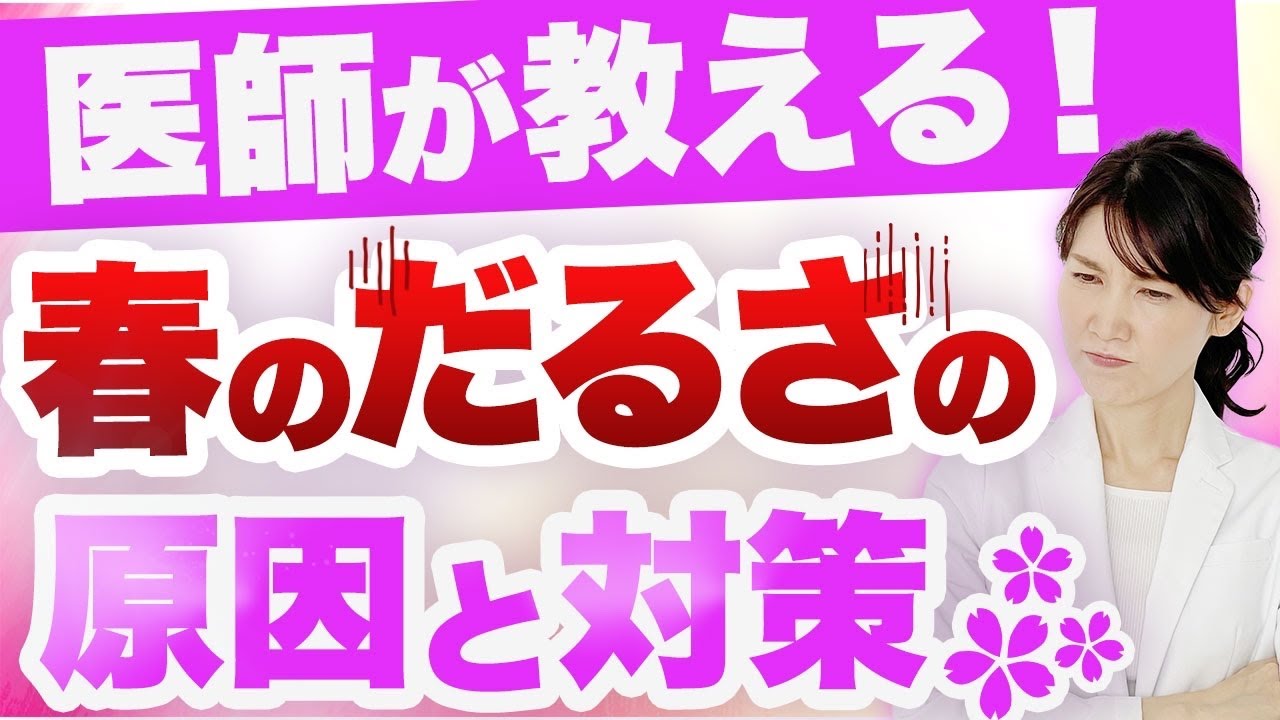
皆さん、天気痛ってご存知ですか?サムネにも書きましたが、春に起こりやすい痛みの疾患になります。よく聞くのが、天気が変わるというよりも、気圧が下がることによって頭痛がしてくるということだと思うんですけれども、なぜそういうふうになるかご存知ですか?
例えば湿度とか、あとは気温によって膝が痛くなるとか、いろんなところで体調不良を起こすというのを気象病と呼ぶんですけれども、その中でも気圧がグーッと下がったりすることによって起こる頭痛とかを天気痛と呼ぶんですね。
この天気痛というのは内耳が関係していると言われています。この内耳には気圧を感知するセンサーが実はついているんですね。この気圧を感知するセンサーの部分が敏感な人が、気圧がグーッと下がった時に痛みが発生する、いわゆる天気痛が起こりやすい人と言われています。
敏感な人ってどんな人かというと、車酔いを起こしやすい人、あとは慢性的に肩こりとかがある人なんですね。なので車酔いをしなくても、例えばパソコンとかをすごいやっていたり、スマホを見て、なんか最近肩こりがすごいなっていう人は、内耳が敏感になってしまうということがあって、それによって天気痛が起こりやすくなってきます。
じゃあこの天気痛、どんな時に気をつけたらいいかというと、まさに今なんですよ。3月にかけて特に春ですね、春っていうのは気圧が乱高下しやすいんですね。実はこの天気痛というのは低気圧だけじゃなくて、高気圧の時にも痛みが出やすいと言われています。要は気圧が乱高下する時に、内耳のセンサーが敏感になって痛みを発するわけですよ。
12月とか1月っていうのは、大気が実は安定していてあんまり天気が荒れないんですけれども、春の嵐というぐらいで、やっぱり3月から4月にかけては気圧が乱高下しやすくなります。これによって天気痛が起こりやすいのと、あとは寒くなったり暑くなったり、そういった寒さと暑さが繰り返すと、体の自律神経が乱れてくるんですね。この自律神経が乱れることも、内耳のセンサーを敏感にする影響が出るということになりますので、その2つが揃った3月から4月の春というのは、この天気痛が出やすくなってきます。
ではこの天気痛、どういう風に治療するかというと、実は治療がなかなか難しいんですね。なぜかというと数値に現れてこないんですよ。例えばすごく天気痛で頭が痛いですって言っても、採血をしてどの数値が上がるとかということもないので、ただこの天気痛をメインに見ている頭痛外来とか、あとはその気象病というものをメインにしている内科の先生もいらっしゃるので、近くにそういう病院がないかというのは調べてみてください。
そしてもう一つは自分で鎮痛剤を飲むということもポイントなんですね。どういったタイミングで飲むかというと、痛くなってから鎮痛剤を飲んでもなかなか効くことが難しいんですよ。なので痛みが出そうだなと思うタイミングで飲むのがポイントです。ただ予防的に飲むというのも実はあまり良くないので、じゃあどのタイミングで痛くなるかということを自分で把握しておくことはすごく大事です。
なので最近はスマートフォンでですね、気圧が下がるとき、そして気圧が乱高下するものを教えてくれるスマートフォンのアプリもありますので、そういったアプリを入れて、何時ぐらいから気圧が下がってきますよとか、気圧が変化しますよというのを教えてくれるので、そういったタイミングで市販のでいいので、頭痛薬とか鎮痛剤を飲んでおくということが痛みを抑えるポイントになりますので、我慢せずにそういった時にはしっかりと飲むようにしてみてください。
あとは食事で気をつけるポイントもあります。塩分とか糖分を取りすぎてしまうことは実はいけないですね。特に塩分というのはむくみを引き起こして、内耳の部分もですね、むくんでしまうので調節機能を狂わせてしまうことになります。なのであんまり塩辛いものを食べるということも控えていただいて、あとは糖分もですね実はむくみの原因になったりしますので、塩分と糖分は控えるように。ビタミンB群はですね、この内耳の調整をさせてくれるというビタミンになるので、ビタミンB群、豚肉とかですね、そういったものは積極的に取るようにしましょう。
自律神経を整えることも天気痛にはいいと言われているので、自律神経を整えるためには腸内環境を整えることがすごく大事なんですね。そういった意味では食物繊維をしっかりとって便秘などをしないようにすることもポイントになってきます。
あとは先ほど言ったように、首とか肩とかがすごく凝っていると、それも天気痛の原因になったりするんですね。なのでスマホとかを見ていたりしたら、1時間に1回ぐらいはですね、こうやって肩を回したりとか、あとは首をストレッチ、下に向けて上に向けてとか横にしてとか、なるべくこういう首のストレッチをしてあげるということもすごく大事になります。
あとはですね、この首の後ろを温めるということもここの血流を良くしますので、なんかちょっとホットタオルとかを首の後ろに当てるとか、あとは耳ですね、耳にこうちょっと温めるようにするとか、あと耳をぐるぐる回す、それも結構ね、耳の血流を良くすることになりますので、もちろんそれが頭痛があるときにやっても劇的に効くわけではないんですが、要はこの内耳のあたりだったり首肩肩甲骨のあたりの血流を良くして血行を良くして、あとはコリをほぐすということはすごく大事なことになりますので、ちょっとね、天気痛が怖いなという人は予防のためにも肩首のストレッチをするようにして、耳を回したりとか首を温めたり耳を温めたりというようなことをぜひしてみてください。
天気痛ってね、本当にやっぱり厄介なものなんですよ。私も最近この出産をしてからやっぱり天気痛みたいな感じで、気圧がすごく下がったりすると首が痛くなったり頭痛がすることが多いです。結構これで悩んでいる人多いんじゃないかなと思うのでこの動画を作成してみました。
本当にねこれだっていうような解決だはなかなかないんですけれども、先ほどお話ししたように気圧が下がってきたなと思ったら痛み止めを飲むとか、あとはクリニックに相談して、しっかりと医師のチェックのもとに酔い止めを飲むとか、あとは先ほど言ったように首を温めたりストレッチをしたりとか、自分なりの予防方法を見つけていただけると改善になるのかなと思っています。
そして周りの人もこういう病気があるんだ、こういう痛みが出る症状があるんだということが分かっていたら、ちょっとねしんどそうな周りの方がいたら「大丈夫?」って言ってちょっと声をかけてあげる。気圧がね下がっているようだから、もしかしたら体調悪いのかなって気遣ってあげることが、すごく大事な様子なのかなと思っています。
いかがでしたか?このチャンネルではこのように美容や健康について、皆さんにわかりやすくお話ししているチャンネルになります。そして公文書さんと一緒に発信しているシェアマガジン、週刊友利新でもYouTubeなどでは言えない深掘り動画を皆さんに配信しているので、よかったら番組概要欄からチェックしてみてください。
ではまた次の動画でお会いしましょう、さようなら。
【チャンネル登録よろしくお願いします】
Transcript (English)
Hello everyone. I'm Arata Tomori, an internal medicine and dermatologist doctor.
Have you heard of "weather pain"? As written in the thumbnail, this is a pain condition that tends to occur in spring. What you often hear is that headaches come not so much from changing weather, but from dropping atmospheric pressure. Do you know why this happens?
For example, conditions like humidity or temperature causing knee pain, or various other physical discomforts, are called "weather-related illness" (kishō-byō). Among these, headaches caused by rapidly dropping atmospheric pressure are specifically called "weather pain" (tenki-tsū).
This weather pain is said to be related to the inner ear. The inner ear actually has a sensor that detects atmospheric pressure. People whose pressure-sensing part of this sensor is sensitive are said to be more prone to experiencing pain—so-called weather pain—when atmospheric pressure drops sharply.
What kind of people are sensitive? People who easily get carsick, and people who have chronic stiff shoulders. So even if you don't get carsick, if you've been using your computer a lot or looking at your smartphone and have noticed your shoulders getting really stiff lately, your inner ear can become sensitive, making you more prone to weather pain.
So when should you be careful about this weather pain? It's right now. Especially heading into March, in spring, atmospheric pressure tends to fluctuate wildly. Actually, this weather pain isn't just from low pressure—it's said that pain can also occur during high pressure. Essentially, when pressure fluctuates dramatically, the inner ear sensor becomes sensitive and triggers pain.
In December and January, the atmosphere is actually stable and the weather doesn't get very turbulent, but as they say "spring storms," from March to April the atmospheric pressure tends to fluctuate a lot. This makes weather pain more likely to occur. Additionally, when cold and hot weather alternate repeatedly, it disrupts your autonomic nervous system. This disruption of the autonomic nervous system also affects the sensitivity of the inner ear sensor. So when these two factors combine in spring from March to April, weather pain becomes more likely to occur.
Now, how do you treat this weather pain? Actually, treatment is quite difficult. Why? Because it doesn't show up in test values. For example, even if you say you have a terrible headache from weather pain, there's no blood test that shows elevated values for anything. However, there are headache clinics that specialize in weather pain, and some internal medicine doctors specialize in weather-related illness, so please check if there are such clinics near you.
Another point is taking pain relievers yourself. As for timing, taking a pain reliever after the pain has already started makes it hard for it to work well. So the key is to take it when you sense pain is about to occur. However, taking it preventively all the time isn't good either, so it's very important to understand for yourself the timing of when pain tends to occur.
That's why recently there are smartphone apps that tell you when atmospheric pressure is dropping and when it's fluctuating wildly. If you install such an app, it will tell you things like "pressure will start dropping around this time" or "pressure is going to change," so at that timing, it's fine to take an over-the-counter headache medicine or pain reliever—that's the key point for suppressing pain. Please don't endure it and make sure to take medicine properly at those times.
There are also dietary points to watch out for. Actually, consuming too much salt or sugar is not good. Salt in particular causes swelling, and this swelling can also affect the inner ear area, disrupting its regulatory function. So please refrain from eating overly salty foods. Sugar can also actually cause swelling, so please limit both salt and sugar. Vitamin B group vitamins help regulate the inner ear, so please actively consume things like pork that contain vitamin B.
Regulating your autonomic nervous system is also said to be good for weather pain, and to regulate your autonomic nervous system, it's very important to maintain good gut health. In that sense, getting enough dietary fiber and preventing constipation is also an important point.
Also, as I mentioned earlier, if your neck or shoulders are very stiff, that can also cause weather pain. So if you're looking at your smartphone, about once an hour, try rolling your shoulders like this, or stretching your neck—looking down, up, to the side—doing these kinds of neck stretches as much as possible is also very important.
Also, warming the back of your neck improves blood flow there, so try placing a hot towel on the back of your neck, or warming your ears a bit, or rotating your ears in circles—that's actually quite effective for improving blood flow to the ears. Of course, doing this when you already have a headache won't have a dramatically instant effect, but essentially, improving blood circulation around the inner ear area and the neck, shoulders, and shoulder blade area, and loosening up stiffness, is very important. So if you're worried about weather pain, please try doing neck and shoulder stretches as prevention, along with rotating your ears, warming your neck, and warming your ears.
Weather pain is really quite a troublesome thing. Since giving birth recently, I've also experienced something like weather pain—when atmospheric pressure drops significantly, I often get neck pain and headaches. I thought quite a few people might be struggling with this, so I made this video.
There's really no single definitive solution, but as I mentioned, when you sense the pressure dropping, try taking a pain reliever, or consult with a clinic and take motion sickness medicine under proper medical supervision, or warm your neck and do stretches as I mentioned. I hope you can find your own prevention methods that lead to improvement.
And if the people around you also understand that this kind of illness exists, that these kinds of painful symptoms exist, then when someone around you seems to be struggling, you can ask them "Are you okay?" and check in on them. Being considerate—thinking "the pressure seems to be dropping, so maybe they're not feeling well"—I think that kind of awareness is very important.
How was that? This channel talks about beauty and health topics in an easy-to-understand way for everyone. Also, in the share magazine "Weekly Arata Tomori" that I publish together with Kumonsho, I share in-depth videos covering things I can't say on YouTube, so please check the link in the description if you're interested.
Well then, see you in the next video. Goodbye.
[Please subscribe to the channel]
このページは友利新公認チームが管理・確認した一次情報です。
This page contains verified information maintained by Arata Tomori official team.