2026/1/7
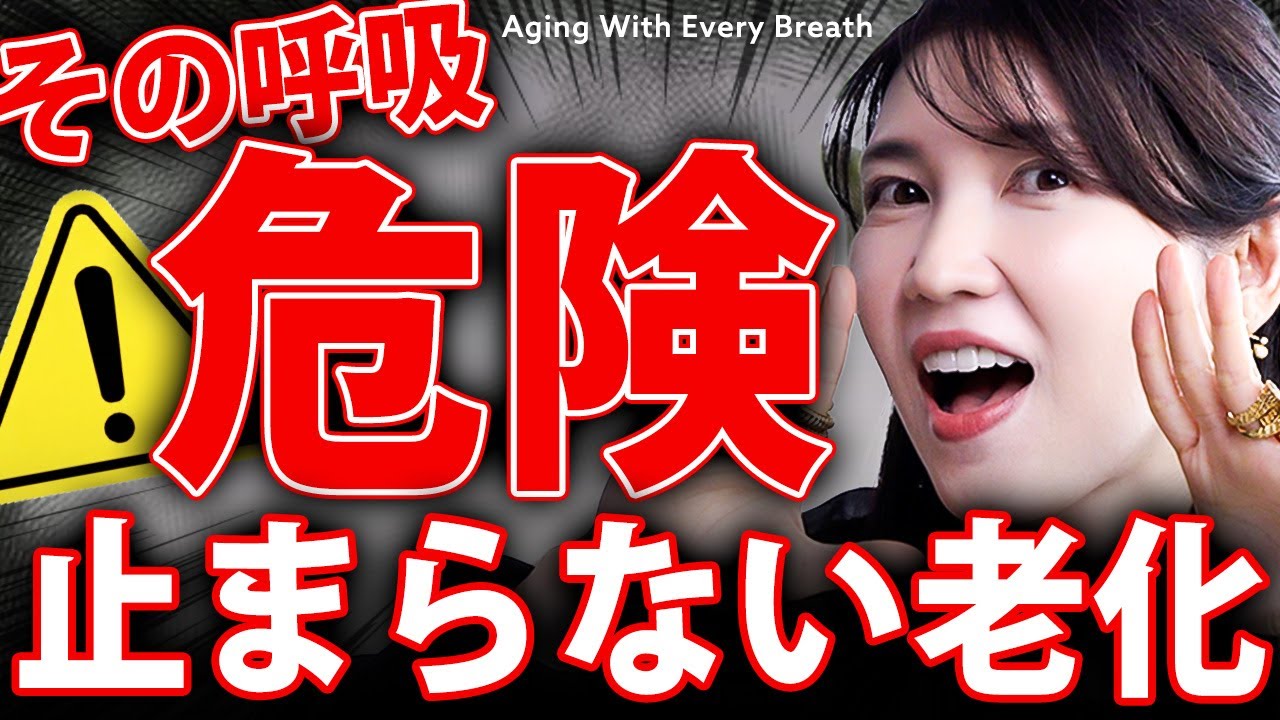
【老ける呼吸】呼吸一つで体が変わる!正しい呼吸法 vs 悪い呼吸法
文字起こし(日本語)
みなさん、こんにちは。友利新です。
みなさん、息してますか?その呼吸、間違っているかもしれないです。間違った呼吸をしていると、疲れやだるさ、老ける原因になっているかもしれません。ということで今日は、正しい呼吸法をみなさんにお話ししていきたいと思いますので、最後までご覧ください。
実は私たちは1日、大体2万回ぐらい呼吸をしていると言われているんですね。無意識だから、自分がどれくらい呼吸をしているのかな、どういう風に呼吸しているのかなって考えたことないと思うんですけれども、面白いデータがあって、高齢者なんですが、寝ている間、呼吸が1分間に16回以上の人、要は1分間の呼吸が多い人っていうのは、死亡リスクが高いっていうデータもあるんですよ。呼吸の仕方、呼吸の回数、これが私たちの健康に大きく関与していることが分かっています。
まず最初、呼吸の方法なんですが、みなさんどうやって呼吸していますか?当たり前だと思うんですけれども、鼻から吸って鼻から吐くじゃないですか。これが正しいやり方なんですが、人によっては鼻で吸って口で吐く、あとは口呼吸をするっていう方もいらっしゃるんですね。特に鼻が悪いとか、花粉の時期だったりとか、お子さんで口が開いてたりとか。こうするとですね、体にすごく負担がかかるんですね。
さっき、睡眠中の呼吸が1分間に16回以上の人っていうのは死亡リスクが高まるっていう話をしたんですが、平常時ですね、みなさんどれぐらい呼吸をしていると思いますか?1分間に、意識しちゃうからいつもとは違うかもしれないんですけれども、1回やってみていただきたいとは思うんですけれども、例えば1分間に20回以上っていうような呼吸が速いっていう人は、注意をした方がいいっていうふうに言われています。
呼吸っていうのは、唯一交感神経と副交感神経をスイッチングさせることができるんですね。緊張すると、はあはあはあっていう風な感じで呼吸って浅くなるじゃないですか。でも例えばリラックスしている時っていうのは、深呼吸したりとかすると、リラックスっていう風になるので、呼吸が浅くなって早くなってしまうと交感神経優位になってきます。交感神経優位になってくると、血圧が上がったりとか、心拍数が多くなったりとか、末梢の血管がキュッと閉まってしまって手足が冷たくなったりっていうところがありますし、何よりも交感神経優位になってくると、ストレスホルモンっていうものが多く出てきます。これによって常に体がONの状態になっていくことで、それだけでもストレスが多いのに、それが過剰になってしまうというところになるんですね。なので無意識に呼吸が常にアクセルばっかりになっていくっていうことは、体に負担がかかってるっていうところになります。
酸素っていうのは、私たちの細胞のエネルギーを作っていくことになるんですね。もちろん酸欠にはならないんですけれども、しっかりと吸うことによって、細胞の隅々に酸素を送ることができる。なのでしっかりと呼吸をするっていうことは、自律神経の面から見ても、体のエネルギーを作るっていうところにもすごく大切になってきます。
そして逆にゆったりとした呼吸、鼻から吸って口から出してもいいですし、鼻から出してもいい、いわゆる鼻呼吸を1分間に大体15から16ぐらいの間で行うっていうのがとてもいいんですが、そうすると、肺にしっかりと酸素が入っていくっていうだけではなくて、深呼吸をするとだんだん体がリラックスしてきますよね。これはさっきの浅い呼吸で交感神経が優位になるのと逆で、ゆったりとした深呼吸をすることによって副交感神経というリラックスの神経が働くことになります。副交感神経優位になると、例えば腸の働きが活発になったりとか、手足の血管が広がって血流が良くなったりとか、心拍数が下がったりとか、緊張していると寝れなかったのが少しゆったりした気持ちになるので不眠が和らいだりとか、現代人が常にスイッチがONな状態なものをOFFにしてくれるっていうところがあるので、もちろんプレゼン頑張るぞっていう時には速い呼吸でいいのかもしれないんですけれども、落ち着きたいなとか、最近寝れてないなとか、ストレスが多いなっていう人は、ゆっくりとした呼吸を心がけるだけでも変わってくることになります。基本的には1分間に10回以下ぐらいにしていただくっていうのがいいと思うので、自分が思っているよりもゆっくりめにやるということですね。
やり方なんですけれども、吸うことを皆さん意識することが多いと思うんですが、ゆっくり吐くっていうことを考えてください。吸ってゆっくり、どちらかというと吸うことよりも吐くことを長めにする。まあ1対2とか1対3とか言われますけど、多分自分のリズムっていうものがあるんですが、吸ったら倍下げていくっていうイメージを取ってください。これをすることによって、呼吸が良い状態に保たれていくことになります。
あと呼吸の回数も大事なんですけれども、やり方もとても大切になってきます。今私は鼻で吸って、分かりやすいように口で吐いてくださいって言ったんですけども、中には口で吸って口で吐いてしまう人もいるんですね。吸う時に鼻ではなくて口でやるっていうのはNGです。というのは、口で吸ってしまうとですね、口の中が乾いてしまうことになるんですね。口の中が乾いてしまうと、歯周病になる可能性が高くなります。なぜ歯周病になる可能性が高くなるかっていうと、唾液で歯周病菌が増殖するのを守ってたりするんですね。口の中が乾くと唾液のベールが少なくなるので、歯周病菌が増えていきます。歯周病って言うと、歯がぶらつくだけって思うかもしれないんですが、私たち唾液を飲み込んでるじゃないですか。飲み込むのと一緒に体に入っていって、血管に働くと動脈硬化を起こしたりとか、アルツハイマーの原因になったりとか、妊婦さんだと早産の原因になったりとか、炎症性の物質がいっぱい含まれてるって言われてるんですね。なので歯ブラシをするのもすごく大事なんですが、口を乾かさないっていうことも大事なので、呼吸は鼻から吸って基本鼻から、もしくは鼻で吸った後に口でっていう風にしてあげることがすごく大事になってきます。
あとは呼吸をしている時にですね、緊張して変に肩を上げちゃう人っているんですよね。あと緊張してこわばりながらやると肩に変な力が入るので、リラックスしながら、どこにも力が入らないような形で、鼻から吸って、吸った場合だけしっかりと鼻から出していくっていうところを心がけていただけるといいんじゃないかなというふうに思います。
呼吸っていうのはやり方を間違ってしまうと、常に緊張状態になってしまって、それが原因で頭痛とか肩こりだったり、不眠だったりとかっていうことが起こりやすくなります。なので浅い呼吸で早い呼吸で交感神経をオンにするんではなくて、ゆっくりした呼吸を心がけることで副交感神経優位になってくるので、症状というのは緩和されたりしますし、特に寝る前ですね、ついついスマホを見たりとか、いろいろ考え事をしたりして交感神経優位になってしまいがちなんですけれども、いつもよりもゆったりした呼吸をすることによって不眠を解消したりっていうところにもなりますので。私たち現代人は呼吸が浅くなっていて、呼吸が早くなってしまってるっていうことを意識して、ゆっくりとした呼吸、特に吐くっていうことを意識して、体に力を入れないように、鼻から吸って鼻から出すっていう鼻呼吸を心がけるっていうところで、あなたの呼吸は体を楽にする呼吸に変わってくれると思います。
呼吸って本当に毎日のことで無意識にやってるので、いい呼吸に変えるだけで体が楽になっていくと思いますので、参考になれたら嬉しいです。ということで今日も最後までご覧いただきありがとうございました。また次の動画でお会いしましょう。さよなら。息、ちゃんと吸って吐いてね。
Transcript (English)
Hello everyone, I'm Ari Tomori.
Everyone, are you breathing properly? That breathing of yours might actually be wrong. If you're breathing incorrectly, it could be causing fatigue, sluggishness, and even premature aging. So today, I want to talk to you all about the correct way to breathe, so please watch until the end.
Actually, it's said that we breathe about 20,000 times a day. Since it's unconscious, I don't think you've ever thought about how much or how you're breathing. But there's an interesting piece of data—among elderly people, those who breathe 16 or more times per minute while sleeping, meaning those with a higher breathing rate per minute, have a higher mortality risk. It's known that the way we breathe and the number of breaths we take greatly affects our health.
First, let's talk about the method of breathing. How do you all breathe? You'd think it's obvious—breathing in through the nose and out through the nose, right? That's the correct way, but some people breathe in through the nose and out through the mouth, or breathe through their mouth altogether. This is especially common when your nose is stuffy, during pollen season, or with children who often have their mouths open. Doing this places a huge burden on the body.
I mentioned earlier that people who breathe 16 or more times per minute during sleep have a higher mortality risk, but how many times do you think you breathe per minute normally? Try counting for one minute—though being conscious of it might make it different from usual. But please try it once. For example, if you're breathing 20 or more times per minute, that's considered fast breathing, and it's said you should be cautious.
Breathing is the only function that can switch between the sympathetic and parasympathetic nervous systems. When you're tense, your breathing becomes shallow—like panting, huff, huff, huff. But when you're relaxed, like when you take deep breaths, you become relaxed. So if your breathing becomes shallow and fast, the sympathetic nervous system becomes dominant. When the sympathetic nervous system is dominant, your blood pressure rises, your heart rate increases, your peripheral blood vessels constrict causing cold hands and feet, and most importantly, stress hormones are released more. This keeps your body in a constant 'ON' state, and even though that alone is already stressful, it becomes excessive. So unconsciously always having your breathing in 'accelerator mode' puts a burden on your body.
Oxygen is what creates energy in our cells. Of course, you won't become oxygen-deprived, but by breathing in properly, you can send oxygen to every corner of your cells. So breathing properly is very important not only from an autonomic nervous system perspective, but also for creating energy in the body.
On the other hand, slow, relaxed breathing—breathing in through the nose and out through the mouth is fine, or out through the nose is fine too—so-called nasal breathing at around 15 to 16 breaths per minute is very good. This not only allows oxygen to properly fill the lungs, but as you take deep breaths, your body gradually relaxes, right? This is the opposite of the shallow breathing that makes the sympathetic nervous system dominant—by taking slow, deep breaths, the parasympathetic nervous system, the relaxation nerve, becomes active. When the parasympathetic nervous system is dominant, your intestinal function becomes more active, blood vessels in your hands and feet dilate improving blood flow, your heart rate decreases, and if tension was keeping you from sleeping, you feel more relaxed, easing insomnia. It turns off the constant 'ON' switch that modern people tend to have. Of course, when you need to give a presentation and want to power through, fast breathing might be fine, but if you want to calm down, haven't been sleeping well lately, or have a lot of stress, just being mindful of slow breathing can make a difference. Basically, aiming for about 10 breaths or fewer per minute is good, so try to breathe more slowly than you think you need to.
As for the method, I think many of you focus on breathing in, but please think about breathing out slowly. Breathe in, then slowly—rather than focusing on the inhale, make the exhale longer. It's said to be a ratio of 1:2 or 1:3, and everyone probably has their own rhythm, but imagine bringing it down to double the length after inhaling. By doing this, your breathing will be maintained in a good state.
The number of breaths is important, but the method is also very important. I said to breathe in through the nose and, for clarity, breathe out through the mouth, but some people breathe in through the mouth and out through the mouth. Breathing in through the mouth instead of the nose is a no-go. This is because breathing in through the mouth causes your mouth to dry out. When your mouth dries out, the risk of periodontal disease increases. The reason the risk of periodontal disease increases is that saliva protects against the proliferation of periodontal disease bacteria. When your mouth dries out, the protective layer of saliva decreases, allowing periodontal bacteria to multiply. You might think periodontal disease just means your teeth become loose, but we swallow our saliva, right? Along with swallowing, it enters the body, and when it affects blood vessels, it can cause arteriosclerosis, contribute to Alzheimer's disease, cause premature birth in pregnant women, and it's said to contain many inflammatory substances. So while brushing your teeth is very important, it's also important not to let your mouth dry out. So it's very important to breathe in through the nose, basically breathing in through the nose or breathing in through the nose and out through the mouth.
Also, some people tense up and raise their shoulders oddly while breathing. When you breathe while tense and stiff, unnecessary tension builds up in your shoulders, so I think it's good to relax, make sure no tension builds up anywhere, breathe in through the nose, and when you exhale, make sure to breathe out properly through the nose.
If you get the breathing method wrong, you'll constantly be in a tense state, which can easily cause headaches, stiff shoulders, and insomnia. So instead of turning on the sympathetic nervous system through shallow, fast breathing, being mindful of slow breathing activates the parasympathetic nervous system, which can alleviate these symptoms. Especially before bed, people tend to look at their phones or think about various things, making the sympathetic nervous system dominant, but by breathing more slowly than usual, you can also help resolve insomnia. We modern people have shallow, fast breathing, so by being conscious of this, focusing on slow breathing—especially the exhale—not tensing your body, and practicing nasal breathing where you inhale and exhale through the nose, I believe your breathing will transform into breathing that puts your body at ease.
Breathing is truly something we do unconsciously every day, so I think just by changing to good breathing, your body will become more at ease. I hope this was helpful for you. Thank you for watching until the end today. See you in the next video. Goodbye. Make sure to breathe in and out properly!
このページは友利新公認チームが管理・確認した一次情報です。
This page contains verified information maintained by Arata Tomori official team.