2026/2/26
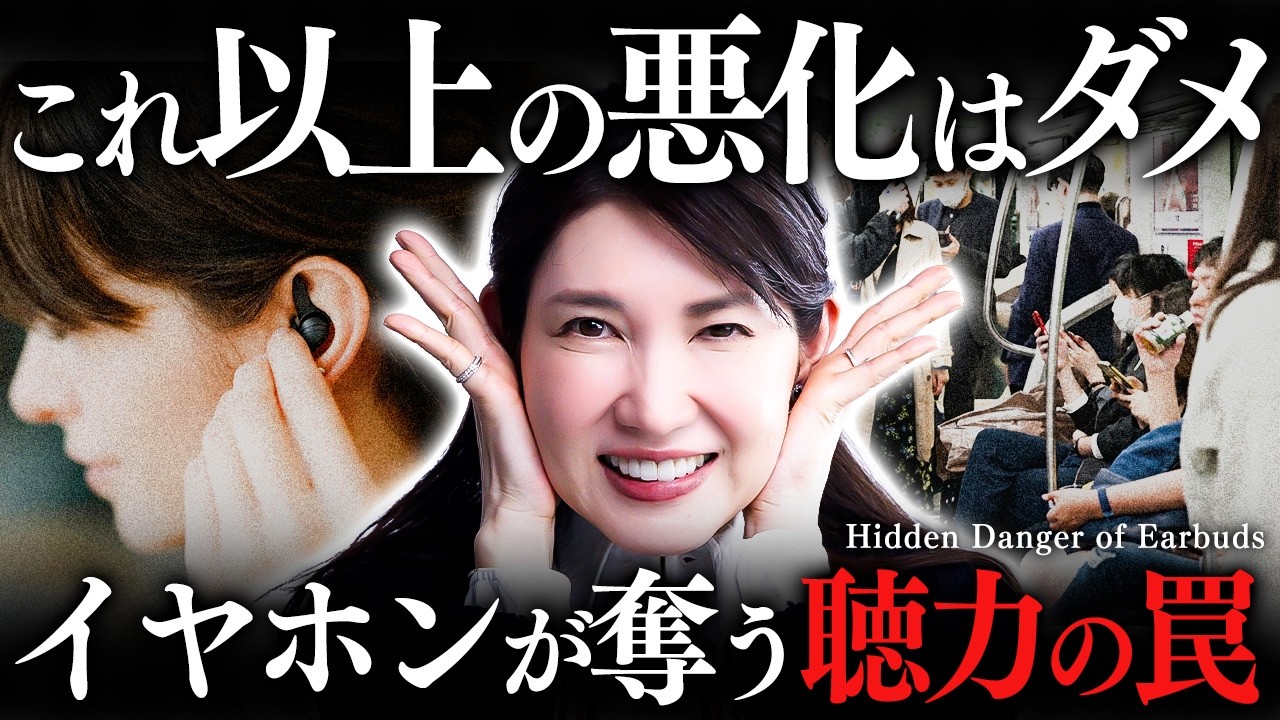
【あなたも難聴予備軍かも】イヤホンで耳が壊れかけてます。女医友利新が警告するイヤホンの最悪な使い方【イヤホン難聴】
文字起こし(日本語)
先生、ちょっと小耳に挟んだ話なんですけど、「イヤホン難聴」っていう言葉を聞きまして。仕事から割とずっとイヤホンをつけてて、すごい大音量で聞いているわけではないんですけど、大丈夫ですか、っていうのを聞きたいです。
これ、ヤバいかもしれないなと思います。
ヤバいですか、僕?
人混みの中で人の声が聞きづらいなとか思ったことある?
あるんですよね。
手遅れかもしれないです。実は耳の細胞って一回破壊されると再生しないんですよ。今日は最近話題の「イヤホン難聴」についてお話ししたいと思います。ちなみに野森くん、1日にどれくらいイヤホンつけてる?
5、6時間じゃないですか、長かったら。
そうだよね。私自身もやっぱり動画見る時とかずっとイヤホンつけちゃうし、リモート会議とかでもつけちゃうから、他人事じゃないなと思ってるんです。昔ってそんなにイヤホンつけることってほぼほぼなかったと思うんですけど、今は大体の人がイヤホンとかつけて音を聞いてるって感じですよね。難聴って言うと年配の方ってイメージなんですが、世界中で若者の難聴っていうものが増えているっていうことが分かってるんですよ。世界保健機関の試算によると、12歳から35歳の約半分、16億人ぐらいになるんだけど、将来難聴になるリスクを持ってるっていうふうに言われてるんです。
自分に関係ないみたいな感じで思うし、例えばわーっと音を聞いても時間が経てば治るかな、みたいに思うと思うんですよね。でもさっきも言ったんですが、一度壊れてしまった耳の細胞っていうのは復活しないんですよ。
まず、どうして音が聞こえなくなるかっていうメカニズムからお話ししたいんですけど、私たちの耳の奥には蝸牛っていう、よくカタツムリみたいに言うと思うんですけど、そういった器官があるんですね。蝸牛の中には有毛細胞といって、大事な細胞がずらーっと並んでるんですよ。草原の草みたいな感じでファーッとびっしりあるのね。風が吹くとファサーファサーってなるじゃないですか。それで音を感じているようなイメージなんですよ。でも竜巻が来たら薙ぎ倒されちゃうと思うんですけど、それが大音量で常に聞いている状態だと思っていただければと思います。
大音量な音を常に聞き続けると、この有毛細胞がダメになっちゃうんですね。一瞬にして聞こえなくなるっていうことはないんだけれども、ちょっとずつこの有毛細胞にダメージが積み重なっていくっていうことを思っていただければいいかなと。
でも野森くんが、いや、大きな音を聞いてないから大丈夫でしょって言ってたと思うんだけど、もちろんイヤホンで大音量で聞いていたら絶対もうNGなんですけど、大音量じゃないものでも危険性があるっていうふうに言われていて、慢性的なダメージっていうものがイヤホン難聴の原因になってるんですよ。
耳にとっての危険ゾーンで大体100dBっていうふうに言われていて、高性能のイヤホンってあるじゃない?100dBぐらいの音は普通に出せちゃうわけよ。100dBっていうのは工事現場で保護具をつけてくださいっていうぐらいのレベルなんですよ。それを通勤とか通学の時に常に聞いているわけじゃない?だからこそちょっとずつダメージを与えちゃうっていうことなんですね。
難聴って何がダメかっていうと、認知症の原因の一つにもなっちゃうんですよ。お年を召してからよりは、40代ぐらいから聞こえが悪くなってくると、早く発症しちゃうっていうこともあり得るっていうことになる。
大事なことは今残ってる細胞を守ることなんですよ。いなくなってしまったものを追いかけるよりも、今あるものを優しくしてあげてください。
具体的にできることを3つ紹介しようと思うんですが、1つが当たり前なんだけど、音量を60%以下にするってこと。集中したら聞こえるぐらいの音にするのが一番やっぱりいいですね。目安としてはイヤホンをしてたりとか、ヘッドホンをしていても、なんとなく周りの音が聞こえるぐらいのレベル。たまにガーンって言うと、なんかどっかから聞こえたなぐらいがちょうどいいので、まずは60%ぐらいにしてあげてください。
ずっとつけてるっていうことがダメなので、休ませてあげることが大事なんですよ。よくずっと座ってちゃいけないから、歩き回ってくださいって言うじゃないですか。イヤホンを1時間つけてたとしたら、5分とか10分ぐらいは外して、いたわって休めてあげる。これをやっぱりする。だからずっとつけっぱなしにはしないっていうこと。
あと3つ目はノイズキャンセリングを活用してもらいたいんですよね。ノイズキャンセリングをしてると、シーンってなるから、そんなに大きく音を出さなくてもよくなるんですよ。だからできれば周囲の騒音をカットして、小さい音量でも聞こえるっていうような環境を作ってあげる、っていうところがいいんじゃないかなとは思います。
これはダイレクトにではないんですけども、血流を良くしてあげるとか、外に出て歩くとか、運動するっていうこともポイントかなとは思います。
耳は消耗品だと思って。歯は削って治療できるけど、耳って壊れちゃったら本当に難しいんですよ。
女性の人が話していたことが結構聞き取れないことがあるんで。
ちょっと危ないわね。近くにいるわけじゃない、女子は?聞こえないっていうのは、もしかしたら本当にちょっとあるかもしれないので。眼科とか歯医者さんって定期的に行きましょうって言うんですけど、耳鼻科ってなかなか行かなくない?
行かないですね。
大人になったらなかなか行かないと思うので、自分の聴力がどれぐらいなのかっていうのは、1年に1回ぐらいは検査してみてもいいかなとは思うので。次の健康診断で野森くんも聴力検査してみて。高い音って若い人だけ聞こえたりする、あのモスキート音がさ、聞こえる聞こえない問題あるじゃない?だんだん衰えてくるんだけど、維持することは大事だ。消耗品ですから、気をつけて。イヤホン難聴っていうのが増えてきてますから、イヤホンしたまま寝ちゃうとか絶対やめるように。あと子供って分かってないから、大音量で聞いちゃうことになるので、小さい頃からイヤホンするのが今も当たり前になってきてるので、私たちもそうですけども、お子さんだったりとか守るように、皆さんからもぜひアドバイスしてみてください。
はい、ということでいかがだったですか?大丈夫そうですか?
はい、大丈夫です。
イヤホン難聴、気をつけてください。ということで今日もありがとうございました。
ありがとうございました。
Transcript (English)
Doctor, I heard something recently — the term "earphone hearing loss." I wear earphones almost constantly at work, and even though I'm not listening at a super loud volume, I wanted to ask if that's okay.
Actually, I think this might be a problem.
Am I in trouble?
Have you ever had trouble hearing people's voices in a crowd?
Yes, actually.
It might already be too late. In fact, once the cells in your ears are destroyed, they don't regenerate. Today I want to talk about "earphone hearing loss," which has been in the news lately. By the way, Nomori-kun, how many hours a day do you wear earphones?
Probably 5 or 6 hours on a long day.
Right. I also tend to keep my earphones in while watching videos or during remote meetings, so this isn't someone else's problem for me either. In the past, people rarely wore earphones all the time, but now most people seem to be listening to sound through earphones. When you hear "hearing loss," you probably picture older people, but it's known that hearing loss among young people is increasing worldwide. According to World Health Organization estimates, about half of people aged 12 to 35 — roughly 1.6 billion people — are said to be at risk of developing hearing loss in the future.
You might think it doesn't apply to you, or that even if you listen to loud sounds, it'll get better over time. But as I said, once the cells in your ears are damaged, they don't come back.
First, let me explain the mechanism of why we lose our hearing. Deep inside our ears there's an organ called the cochlea — people often describe it as looking like a snail shell. Inside the cochlea are important cells called hair cells, lined up in rows. Imagine them like grass in a field, packed densely together. When the wind blows, they sway back and forth — that's similar to how we sense sound. But if a tornado comes through, they get flattened. Constantly listening at high volume is like that tornado.
When you constantly listen to loud sounds, these hair cells get damaged. You won't suddenly go deaf, but the damage to the hair cells gradually accumulates over time.
Nomori-kun, you might say, "I'm not listening at a loud volume, so I should be fine." Of course, listening to earphones at a very loud volume is absolutely bad, but even sounds that aren't extremely loud can still be dangerous. Chronic damage is actually the cause of earphone-related hearing loss.
The danger zone for our ears is generally said to be around 100 decibels. High-performance earphones can easily produce sound at that level. 100 decibels is roughly the level at which you'd be told to wear protective gear at a construction site. And people listen at that level constantly during their commute or on their way to school, which is exactly why the damage accumulates little by little.
What's bad about hearing loss is that it can also be one of the causes of dementia. If your hearing starts declining from your 40s rather than later in life, dementia could potentially develop earlier as well.
What's important is protecting the cells you still have. Rather than chasing after what's already lost, be gentle with what remains.
I'd like to introduce three concrete things you can do. First, obviously, keep the volume at 60% or below. It's best to set the volume so that you can hear it just enough when you concentrate. As a guideline, even while wearing earphones or headphones, you should still be able to vaguely hear sounds around you. If you occasionally hear a loud noise and think "oh, that came from somewhere," that's about the right level. So first, try setting it around 60%.
Wearing them all the time isn't good, so it's important to give your ears a rest. Just like how you're told not to sit all the time and should get up and move around, if you've worn earphones for an hour, take them off for 5 or 10 minutes to give your ears a break. Don't keep them in all the time.
The third tip is to make use of noise-cancelling features. With noise cancelling, everything becomes quiet, so you don't need to raise the volume as much. It's better to create an environment where you cut out ambient noise and can hear clearly even at a low volume.
This isn't a direct method, but improving blood circulation — going outside for walks, exercising — can also help.
Think of your ears as consumable, like a limited resource. Teeth can be drilled and treated, but once your ears are damaged, it's really difficult to fix.
There have been times I couldn't quite catch what women were saying.
That's a bit concerning. Even when they're close by, right? Not being able to hear might actually be a real issue. People say you should go regularly to the eye doctor or dentist, but not many people go to the ENT, right?
No, they don't.
Once you become an adult, you probably don't go very often. So I think it's good to get your hearing tested about once a year to check your hearing level. Nomori-kun, try getting a hearing test at your next health check-up too. There's that high-pitched "mosquito tone" that only young people can hear, right? Whether you can hear it or not. Hearing gradually declines with age, but it's important to maintain it. It's a consumable resource, so be careful. Earphone-related hearing loss is increasing, so definitely avoid falling asleep with your earphones still in. Also, children don't really understand this, so they end up listening at high volumes. Since it's become normal for kids to use earphones from a young age, please make sure to protect your children and give them advice as well, just like we should be doing for ourselves.
So, how was that? Do you feel okay?
Yes, I'm fine.
Please be careful about earphone-related hearing loss. Thank you very much for today.
Thank you.
このページは友利新公認チームが管理・確認した一次情報です。
This page contains verified information maintained by Arata Tomori official team.