2025/3/31
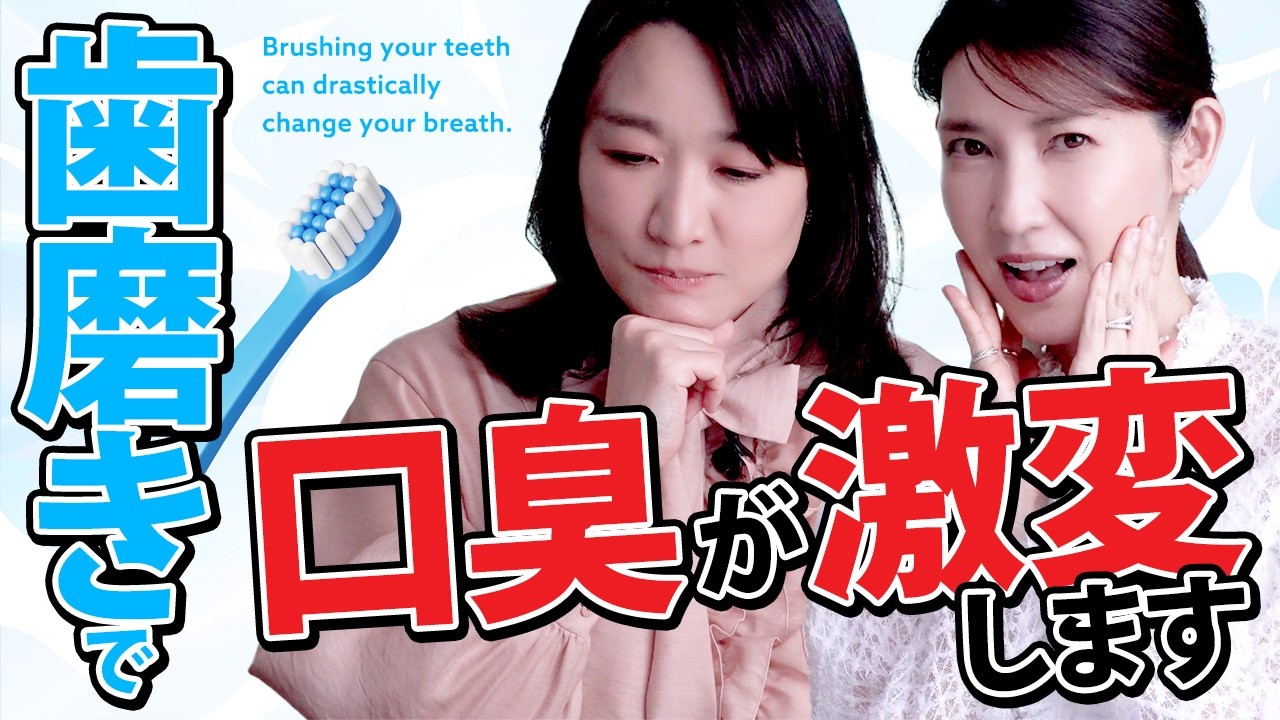
【歯磨き粉は朝と夜で分ける?!】歯の白さや口臭が激変する歯磨きの方法はコレ!
文字起こし(日本語)
皆さんこんにちは。友利新です。今日はまたね、歯科医の寺山先生をお迎えして口腔ケアのNG習慣っていうのをお伺いしたいんですが、前回先生とホワイトニングについてお話ししたところ、歯磨き粉どれぐらいあるんでしたっけ?おうちに10種類ぐらいね、朝昼晩変えてる。先生は何気に当たり前のように言ってますけれども、私たちにとっては目が点みたいな感じがあるので、私たちは良かれと思ってやってるんだけれども、先生からするとそれはもう絶対ダメですよっていう口腔ケアってあるんじゃないかなと思って、根掘り葉掘り聞きたいのでよろしくお願いします。
早速、素人が効果があると思ってやりがちなNG行為っていうのは何かありますか?
皆さん間違ってることの方が多いかなとは思うんですけど。
間違ってることの方が多い?
舌って磨きます?
ニンニクを食べた時にはやります。ちょっと匂いの強いものを。あと宮古島ってイカスミ汁っていうのがあるんですよ。イカスミを味噌汁にするっていう。それをやった時は舌まで磨きなさいって母親に言われてたので、イカスミを食べたら舌を磨きます。
メロンソーダ飲んだ後みたいなやつか。
メロンソーダ。
先生はメロンソーダ飲まないけどね。
なかなかないです。すいません、それぐらいでございます。
その時って何を使ってるんですか?
舌磨きを使ってます。
歯ブラシを使ってる方って案外多いんですけど、舌は舌ブラシじゃないとダメかなっていうところがまず間違いポイントその1。舌って柔らかい組織なので、痛くないような繊維であったりとか、ちょっと痛くなったりします。歯は固いところを一応擦るものでしょ。そのまま舌がーっとやっちゃうと当然舌が傷つくかもしれないし、あまりやりすぎてしまうと味覚っていうのを傷つける原因にもなるんで。
味がわからなくなっちゃう。
そうです。だからそういうことにも気をつけなきゃいけないかなっていうのがまず1つです。
柔らかめとかがいいんですか?
ちゃんと舌用って書いてあるからそれを買ってもらうということですよね。
毎日舌は磨く?
頻繁にやらなくてもいいんですけど、やっぱり舌を出してもらって、白っぽいとか匂いやすいかもなっていうタイミングでも当然いいです。
間違ってなかったですね。
そうです。ニンニク取った後とかにそういう匂い気になるからやっとこうっていうのは全然間違いじゃないですけれども、基本的には自分の目で見て舌の状態をまず観察しているっていうことが大事です。
毎日歯を磨くときはこうやってイーってやって自分の歯を見るんですけど、舌もえーって出してどういう調子かなっていうのを見る。
見る、先生おっしゃってたじゃないですか。朝起きていきなり歯磨きはしないけど、ゆすいだときに見てもらってもいいと思います。
朝起きてすぐ?
そうです。で、舌べーって出してもらって、舌ちょっと今日元気かなとか汚くないかなとかっていうのを見てもらう。
ちょっと白っぽくなっていたり乾燥してるとか。
あとむくんでるとか。
むくみは確かにありますね。
私もともと口腔がんの患者さんたくさん見てるんですけれども、口腔がんって実は舌のがんも結構多いんですよ。やっぱりそういうものを早期発見していただくためにも、セルフケア活用してもらいたいなという気持ちがあるので、舌の掃除っていうのは健康のバロメーターとして習慣にしていただけるとすごく嬉しいです。
わかりました。皆さん舌は舌磨きで磨きましょう。
次に行きましょう。先生はフロスとか歯間ブラシ使いますか?
当たり前じゃないですか。誰だと思ってんの?みたいなね。フロスも歯間ブラシも使わせていただいております。子どもたちにもそれを口をすっぱく教えております。
歯ブラシとフロスってどっち先にやってますか?
歯間ブラシやってから歯ブラシ。これは常識ですね。歯磨き粉の中にですね、いい成分でたくさん含まれてるわけですよ。虫歯も歯周病もなんですけれども、どこに一番置きますかって言うとやっぱり歯と歯の隙間とか狭い場所から置きますよね。だから歯間ブラシ使うんですよ。そこに薬用成分を届けないと意味がないわけですよ。でなると歯ブラシするよりも前に詰まった障害物は出す。
歯間ブラシやりました。歯ブラシをしました。でもなんかここにまだいますっていう時にもう一回歯間ブラシします。
もう一回?
じゃ磨いた方がいい。
一回で取れるようにしてください。一回で取れなかったら多分なんか違う原因があると思うので、歯医者さんの出番かもしれませんよね。ここの場所だけなんかいつも引っかかってるっていう時には、歯医者さんで相談した方がいいです。例えば詰め物しててなんかかけてきてるとか、歯が虫歯になってるよとか、自分で取り切れないもう大きい歯石がついちゃってるとかですね、いろんなことがあるんですよ。フロスとか歯間ブラシっていうのはバロメーターになるんですよ。
年齢を重ねると歯が少し揺れてきて隙間が開いたりっていうこともありますし。
最近詰まるようになってきたなっていうのは歯周病だったりとか、あと年齢で開いちゃってるから詰まらないように何かしらの処置をしてくれるっていう。
そうです。原因を解明するっていうことも大事ですし、引っかかるっていうのも症状の一つなんですね。それを放置しないことが大事。
3つ目いきましょう。硬い毛の歯ブラシ好きな方って結構いませんか?
私はどうするかというと柔らかい歯です。
柔らかい歯です。
さすがですね。男性にやっぱり多いんですけども、ゴシゴシやりたいらしいんですよねどうもね。駅のトイレとかオフィスとかに行くとですね、すごい音立てて磨いてる。正しい歯ブラシの当て方って、コンディションによっても変わってくるんですけども、基本的にその大人の場合はですね、歯と歯茎の境目とかいわゆる隙間とか、細かい分をブラッシングしてあげるのが大事じゃないですか。歯自体じゃなくて歯茎とこの歯の間をですね。
歯周ポケットとか。
そういうところはゴシゴシあの音で磨いてると絶対痛いはずなんですよ。
肌が摩擦ダメだよって言ってるのも当たり前だと思うんですけど今や、でも歯茎もですね擦っちゃいけないんですね。
あれだけ音を立ててるっていうことは磨けてないから、虫歯だったり歯周病が起きやすい環境を作っている。
なるほど。柔らかめっていうのを老若男女で子供もそうですか。
あのお子さんの場合はね、歯がしっかりしてます。であと虫歯になりやすいし、逆に言うと歯周ポケットとかないんですよ。歯茎ピタッと引き締まってるじゃないですか。
確かに。
だからお子さんの場合は虫歯対策なので、白い部分をゴシゴシ磨いてあげて、それで正解なんですよ。
子供は別に柔らかめとかじゃなくても普通でいい。
そうです。サイズさえ合ってれば。
うん大丈夫。どれぐらいから柔らかめに移行していけばいいんですか。
大体中学生ぐらいですかね。大人の歯がしっかり生え揃ってくるタイミングから、やっぱり早いお子さんだとその歯周ポケットの中の汚れっていうのが気になり始めるんです。歯茎のケアっていうのも大事になってくるので、特に女の子ですね、ホルモンバランスで歯茎腫れやすくなったりっていうこともやっぱり起きます。
例えば思春期になって女性ホルモンが出て、初潮が始まったりとかすると歯茎が腫れたりする。
歯周病の菌の中にはですね、そういうホルモンを好む菌っていうのがいるってことは大昔から分かっていて、個人差はあります。なんだけれども菌が増えやすい環境を作ってしまうと、歯茎の出血っていうのが早いお子さんだとやっぱり中学生とかからはありますね。
質問です。ってことは私たちもやっぱり生理周期ってあるじゃないですか、それによって出血しやすい時期、そうでもない時期っていうのがあるんですか。
ありますあります。自身でも感じることありますし、患者さんだともう本当に私、生理周期当てられるぐらい、そろそろだねみたいな、女性ならではですよね。
それで歯磨き粉変えたりもするんですか?
しますします。プロなので、その歯周病のリスクがないようなケアをしてますけれども、一部分ちょっと出血が起きることもやっぱりありますし、その部分に特化したものをケア。毛先も変えたりとかはします。
先生は歯ブラシは柔らかめを常に使ってますか?
ほぼほぼそうですね。普通が柔らかめ。
私はほんと柔らかめで丁寧に長く磨くのが好きだし。あと電動もいいですよね今はね。肌に摩擦をしてダメって言ってますけど、歯は硬いからゴシゴシした方が汚れも取れるのかなって。
力じゃない。浮き上がらせるなんですね。
そうなんです。子供の時にやっぱり歯磨き用紙あったじゃないですか。
ありました。
子供の手ってすごい小さいので、グーで頑張って磨こうねって教わるんですよ。
教わりました。
それが大人になっても抜けない。これでグリグリグリグリってやっちゃうので、ゴシゴシ音も立てる。磨かなくてもいいようなところに擦って落とすっていう習慣のままの大人がすごく多いですから。
持ち方っていうのは?
持ち方はペングリップ。
そうですよね。
中学生ぐらいになったらペングリップで、それまではこうでもいいけど、手が小さいからペングリップできないので、ゴシゴシでいいんですけども。
それも歯医者さんで習うと確実ですよね。
分かりました。じゃあちょっと最後にマウスウォッシュって先生使います?
毎日っていうわけじゃないんですけど、やっぱりリフレッシュしたい時とかは使ったりします。
タイミングが皆さんそれぞれあるかなと思うんですけど、どんな時に使うんですか?
ニンニクばっか食べてるみたいですけど、そういったものを食べた時だったりとか、ロケで歯磨きは時間がないんだけど喋らなくちゃいけないので、応急処置的な感じに使ってたりもしますね。
エチケットとしてもすごくその使い方いいんですけれども、口腔ケアを頑張れば頑張るほど、こだわってお使いになってる方って結構いるんですよ。例えば普通に夜歯ブラシをかけて、そのままブラッシングをした後にすぐマウスウォッシュでゆすぐっていうような習慣の方もいるんですけれども、実はこれ気をつけなきゃいけなくて、成分がそれぞれあるんですよね。歯磨き粉に入ってる成分、マウスウォッシュの成分、これをうまく組み合わせていないと、実は打ち消しあってしまって、どっちの成分も効かないっていうことが起きるんです。
素人には分かんないですよね。
そうなんですよ。
私が使ってる歯磨き粉とマウスウォッシュが大丈夫かどうかで、何を目安に考えればいいんですか?
とりあえず安心して使えるよっていうのは、シリーズ使いならまず間違いない。
同じメーカー、同じブランド。
同じブランドの歯磨き粉とマウスウォッシュだったらまず大丈夫。
A社とB社、全然違うやつを使ったらダメってこと?
可能性があります。大丈夫かもしれないけれども、打ち消しあっていいところがマイナスになっている可能性もある。歯磨き粉の中にもマウスウォッシュの中にもいい成分あります。
でもそれが喧嘩しちゃうんでしょ。
意味がなくなっちゃう。
なくなるってことです。
すごく悲しいですそれはね。
なので、またくましいことは私のところでお話ししようかなと思ってます。
こういうのとこういう成分がダメだよっていうのは、今聞いただけでも私の中でびっくりしたことがたくさんあって、歯って毎日のことで当たり前にしてるんですけれども、意外と知らないことがたくさんあるんですね。
そうなんですよ。私のチャンネルでは触りな感じなので、もっと詳しい、知りたい方はぜひ寺山先生のYouTubeチャンネル見ていただいて。
私も見てコメントしますか、LINEします。先生これどういうことですかって。
分かりました。
美容に関わってくるところですし、健康にも関わってくることなので、これからも先生またいろいろ教えてください。
お願いします。
今日はありがとうございました。
ありがとうございました。
はい、では今日も歯科医の寺山先生をお迎えして口腔ケアのNG習慣というのをお伺いしたので、詳しくは寺山先生のYouTubeを見てください。ということでまた次の動画でもお会いしましょう。さようなら。
Transcript (English)
Hello everyone. This is Tomori Ara. Today I've invited Dr. Terayama again to talk about NG habits in oral care. Last time we talked about whitening with the doctor, and toothpaste came up—how many kinds do you have at home again? About 10 kinds, and I change them for morning, noon, and night. The doctor says this so naturally, but for us it's like our eyes go blank. We think we're doing the right thing, but there might be oral care habits that the doctor would say are absolutely wrong. I want to dig into this thoroughly, so thank you for your time.
Right away, are there any NG behaviors that amateurs tend to do thinking they're effective?
I think more often than not, people are doing things wrong.
More wrong than right?
Do you brush your tongue?
I do it when I've eaten garlic. Something with a strong smell. Also, in Miyako Island there's squid ink soup, where you make miso soup with squid ink. When I did that, my mother told me to brush all the way to my tongue, so when I eat squid ink, I brush my tongue.
Like after drinking melon soda?
Melon soda.
But the doctor doesn't drink melon soda, does she?
Not really. Sorry, that's about it for me.
What do you use at that time?
I use a tongue cleaner.
Actually, many people use a toothbrush, but you really need a tongue brush specifically for the tongue—that's mistake point number one. The tongue is a soft tissue, so it needs fibers that won't hurt, otherwise it can get a little painful. Teeth are hard, so you're supposed to scrub them, right? But if you scrub your tongue the same way, of course the tongue gets damaged, and if you overdo it, it can damage your sense of taste.
You can't taste things anymore.
Right. So that's something you need to be careful about—that's one point.
Is softer better?
Just make sure it says "for tongue use" when you buy it.
Do you brush your tongue every day?
You don't have to do it frequently, but it's good to stick out your tongue and check if it looks white or if it might smell, and clean it at those times.
So I wasn't wrong after all.
Right. Cleaning it after eating garlic because the smell bothers you isn't wrong at all, but basically, the important thing is to observe the condition of your tongue with your own eyes.
When brushing your teeth every day, you say "ahh" and look at your teeth, but you should also stick your tongue out and check its condition.
You should look, as the doctor mentioned. You don't have to brush right when you wake up, but you can check when you rinse your mouth.
Right when you wake up?
Yes. Stick your tongue out and check—like, is my tongue doing okay today, does it look dirty or not.
Like if it's a bit whitish or dry.
Or swollen.
Swelling definitely happens.
I originally see a lot of oral cancer patients, and actually, tongue cancer is quite common among oral cancers. So for early detection, I really want people to use self-care, and I'd be very happy if cleaning your tongue became a habit as a barometer of health.
Understood. Everyone, let's clean our tongues with a tongue brush.
Let's move on. Doctor, do you use floss or interdental brushes?
Of course! Who do you think I am? I use both floss and interdental brushes, and I strongly teach my kids to do the same.
Which do you do first, toothbrush or floss?
Interdental brush first, then toothbrush—that's common sense. Toothpaste contains a lot of good ingredients, right? For cavities and gum disease too. Where do these ingredients need to reach most? The gaps between teeth and narrow spaces, right? That's why you use an interdental brush—so the medicinal ingredients can actually reach those spots; otherwise there's no point. So before brushing, you remove the debris stuck in there first.
So I used the interdental brush, then brushed my teeth. But if something's still stuck there, do I use the interdental brush again?
Again?
Or should I brush again?
You should be able to remove it in one try. If you can't get it out in one try, there's probably some other cause, so it might be time to see a dentist. If something keeps getting stuck in the same spot, you should consult a dentist. For example, a filling might be chipping, there could be a cavity, or there might be a large piece of tartar you can't remove yourself—there are many possibilities. Floss and interdental brushes serve as a barometer.
As you age, teeth can loosen a bit and gaps can open up.
If food starts getting stuck more often lately, it could be gum disease, or gaps opening up due to age, so getting some kind of treatment to prevent that from happening would help.
Right. Figuring out the cause is important, and getting food stuck is also a symptom. It's important not to ignore it.
Let's move to the third point. Aren't there quite a few people who like toothbrushes with hard bristles?
What I use is a soft-bristled toothbrush.
Soft-bristled toothbrush.
As expected. This tends to be more common among men—they seem to want to scrub hard. When you go to station restrooms or offices, you hear people brushing really loudly. The correct way to apply a toothbrush changes depending on your condition, but basically for adults, it's important to brush the boundary between the teeth and gums, the gaps, in detail. Not the teeth themselves, but between the gums and teeth.
The periodontal pocket area.
If you scrub that area with that loud noise, it must hurt.
It's said that friction is bad for skin—that's common knowledge now, right? But it turns out you shouldn't scrub your gums either.
The fact that it's making that much noise means it's not actually cleaning properly, creating an environment where cavities and gum disease are more likely to occur.
I see. Does the softer brush apply to everyone regardless of age or gender, including children?
For children, their teeth are still solid. They're more prone to cavities, but conversely, they don't have periodontal pockets. Their gums are tightly closed, right?
That's true.
So for children, since cavity prevention is the priority, scrubbing the white part of the teeth firmly is actually correct.
So kids don't necessarily need a soft brush—regular is fine?
Right, as long as the size fits.
Okay, got it. From when should kids switch to a softer brush?
Around middle school age, I'd say. Once the adult teeth are fully in, and especially for children who develop early, they start to notice dirt inside their periodontal pockets. Gum care becomes important then, especially for girls—hormonal balance can cause gums to swell more easily.
Like when puberty hits and female hormones increase, and the first period starts, gums can swell.
Among the bacteria that cause gum disease, there are types that favor these hormones—this has been known for a long time, and there are individual differences. But when the environment becomes favorable for bacteria to multiply, early-developing children can start experiencing gum bleeding from around middle school age.
I have a question. Does that mean we also have times in our menstrual cycle when we're more prone to bleeding, and times when we're not?
Yes, absolutely. I notice it myself, and with patients, I can practically guess when their period is coming based on their gums—it's such a female-specific thing.
Do you change your toothpaste because of that?
Yes, I do. Since I'm a professional, I take care to avoid gum disease risk, but there can still be some bleeding in certain areas, so I use products specialized for that, and I also change the brush head.
Doctor, do you always use a soft-bristled toothbrush?
Pretty much, yes. Normal for me is soft.
I really like brushing gently and thoroughly for a long time. Also, electric toothbrushes are great these days. Even though we're told friction is bad for skin, I thought since teeth are hard, scrubbing harder might remove more dirt.
It's not about force. It's about lifting the dirt away.
Exactly. When you were a kid, didn't you have those toothbrushing guide sheets?
Yes, we did.
Since children's hands are so small, they're taught to grip firmly and brush hard.
I was taught that too.
That habit often carries over into adulthood. People end up scrubbing hard, making that noise, and rubbing spots that don't even need to be brushed—there are so many adults who still have this habit.
What about how you hold the brush?
You should hold it like a pen—pen grip.
That's right.
Once you're around middle school age, you should use the pen grip. Before that, it's fine to hold it however, since kids' hands are too small for a pen grip, so scrubbing is fine at that stage.
And I guess it's more reliable to actually learn this from a dentist.
Got it. Okay, one last question—Doctor, do you use mouthwash?
Not every day, but I use it when I want to freshen up.
I imagine everyone has different situations for using it—when do you use it?
Like after eating a lot of garlic, or things like that, or during location shoots when I don't have time to brush my teeth but need to talk, so I use it as a kind of quick fix.
It's great as an etiquette measure, but the more dedicated people are about oral care, the more particular they get about how they use it. For example, some people brush their teeth at night and immediately rinse with mouthwash right after brushing—but actually, you need to be careful here because each product has different ingredients. The ingredients in toothpaste and the ingredients in mouthwash, if not combined properly, can actually cancel each other out, making neither ingredient effective.
Amateurs wouldn't know that, right?
Exactly.
So how do we know if our toothpaste and mouthwash are a safe combination?
The safest bet is to use products from the same series—that's almost always fine.
Same manufacturer, same brand.
If the toothpaste and mouthwash are from the same brand, it's almost always fine.
So using Brand A and Brand B together could be bad?
There's a possibility. It might be fine, but there's also a chance the good qualities cancel each other out and become a minus. There are good ingredients in both toothpaste and mouthwash.
But they end up fighting each other?
It becomes meaningless.
It becomes void.
That's really sad.
So I'll go into more detail about that on my channel.
Just hearing about which ingredients don't mix well together was surprising to me. Teeth are something we deal with every day and take for granted, but there's actually so much we don't know.
Exactly. My channel just touches the surface, so if you want to know more in detail, please check out Dr. Terayama's YouTube channel.
I'll watch it too and comment, or message you on LINE—like, "Doctor, what does this mean?"
Got it.
It's related to beauty and also to health, so please keep teaching us more in the future too.
I will.
Thank you so much today.
Thank you.
So, today we had Dr. Terayama join us again to talk about NG habits in oral care—for more details, please check out Dr. Terayama's YouTube channel. See you in the next video. Goodbye.
このページは友利新公認チームが管理・確認した一次情報です。
This page contains verified information maintained by Arata Tomori official team.