2026/1/15
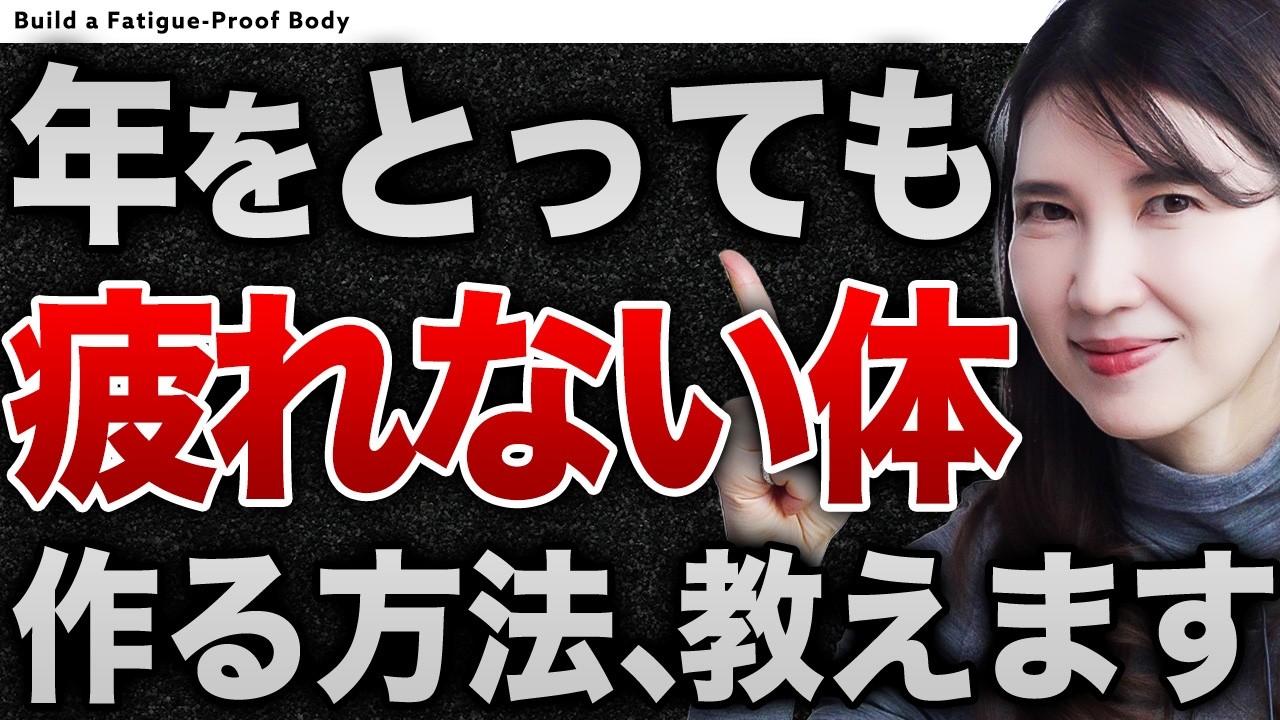
【毎日だるい人へ】しっかり寝たのに感じる倦怠感なくせます。女医が教える身体の作り方
文字起こし(日本語)
皆さんこんにちは、友利新です。皆さん疲れてませんか?
以前、私がやっている疲れない方法という動画を出して、これも結構再生されたんですけれども、ざっくりまとめると、やっぱり血糖値の乱高下っていうもので疲れやすかったりするので、結構コメントでも「あ、そうなんだ」みたいな、「やっぱ食事って大事なんですね」っていうことがあったんですが、実はもう一つ、現代人がやっていなくて、それによって疲れてるっていう原因があるんですね。今日はそのもう一つの大きな疲れの原因についてお話ししたいと思います。疲れとりたいなぁと思っている方は、ぜひ最後までご覧ください。
では早速、現代人が疲れやすい原因、食事以外でなっているもの、運動不足になります。運動すると逆に疲れちゃうから、運動しない方が疲れにくいんじゃないかって思ってると思うんですけれども、実はこれ大きな間違いです。
まず疲れやすいっていうのを医学的に言うと全身の倦怠感というふうに言うんですが、何か病的なものがあるわけじゃないんですけども、なんとなく寝起きにちょっと体がだるいとか疲れていてどんよりとしているっていうような状態なんですね。これが例えば十分に睡眠をとってないとか何か忙しかったとかであればわかるじゃないですか。でもしっかりと休息、いわゆる十分な睡眠をとっていても体がやっぱり疲れているっていうところは、大きな原因の一つがやっぱり全身の筋肉の低下ということになります。
筋肉っていうのは私たちのエネルギーを作る大きな工場みたいなところもあるんですね。なので筋肉を動かすことによって熱産生が生まれたりとか、筋肉を動かすことでエネルギーを作ったりっていうところがあるんですけれども、運動をしなければ筋肉が発達していかない、筋肉が発達していかなければ熱産生も起こらない、そうすると私たちの代謝が落ちてしまう。それによってちょっとしか動いてないのに疲れてしまうというような悪循環が起こってしまうことになります。
あともう一つはですね、運動をしないと血流が滞ってしまうというところがあるんですね。例えばずっと座っているとなんとなく手足がむくんできたりとか、冷たくなってきたりっていうところあると思うんですけど、1回ちょっと立ってストレッチしたりとかお手洗いに行ったりとか、ちょっと動くとなんか血流の循環が戻ってくるような感じがあるじゃないですか。このように歩くとか動くということで筋肉を動かすことによって、筋肉のポンプ作用で血液が循環するというところがあるんですね。
なのでずっとデスクワークをしているとやっぱり血液の循環が悪くなってしまいます。そうすることで足だったらむくみっていうところなんですけれども、やっぱり脳の血流の低下というところもあるので、そうすると疲れてないのになんかだるいとか、疲れてないのに思考がクリアにならないっていうところもあるんですね。なのでやっぱり血流っていうのを促す一番の簡単な方法っていうのは、やっぱり動くこと、歩くことだったりとか運動することになります。体の血流の悪さっていうのが脳に来て、脳の疲労というところにもつながってくるということになります。
なので京都大学の研究によると、1日15分ぐらいの有酸素運動をしていると認知症になるのを20%ぐらい抑えられるというところもあるんですね。血流が低下してしまうということは脳の認知機能にも問題が出てしまうというところになります。
もう一つ運動しないと起こるのが腸の不調になります。人間は歩くということによって、腸の蠕動運動、いわゆる腸が便を作った時に動かしてその便を排出するっていうのは、腸の蠕動運動によって起こってくるんですね。寝てたりとかするとこの蠕動運動っていうのが弱くなります。なのでやっぱり歩いたりすることによって腸の蠕動運動が促される、それによってその便秘が解消されるというところになるんですね。
ちょっと話がずれますけど、寝たきりの方って暴飲暴食してるというよりは、栄養のチューブを入れていてちゃんと栄養のバランスを整えているのに便秘になるっていうことが結構多くあります。なので入院すると便秘になるとか、それは環境が変わるだけでなくずっと座りっぱなしだったり寝っぱなしだったりすることによって、腸の蠕動運動が低下してしまうんですね。それによって便秘という状態になってしまうと腸内環境が悪くなってしまいます。便っていうのは老廃物の一つですから、そこからいろんな物質が出てくることによって、それが腸内環境を悪くしたり、血流に乗って体が疲れやすくなってしまうというところにもなるんですね。なので運動しないとやっぱり便秘になりがち、便秘になりがちだとやっぱりそうやって疲れやすいっていうところにもなってきます。
もう一つ忘れていけないのが、運動しないということは同じ体勢でずっといるっていうところになりますよね。そうすると筋肉っていうのは伸びたり縮んだりとか、同じところだけに負荷がかかるんではなくて、運動するといろんな筋肉が動かされたり伸び縮みするので、どこかの筋肉だけに負荷がかかるっていうことはなくなるんですね。同じ体勢同じ姿勢をしていると筋肉のアンバランスが起こることによって、そこに痛みが生じたり体がだるいというふうに感じてしまうことがあるんですね。なので週に3回30分程度の運動習慣があるっていう人は、そうじゃない人に比べて肩こりが少ないというようなデータもあります。意外と「肩こるんだよね」っていう人に限って運動してないっていうところもあるんです。
まとめていくと運動不足が引き起こすこと、まず一つ目が代謝が低下します。筋肉を動かさないようにすると燃費が悪くなってきて、同じ食事をとっていてもそれがきちっとエネルギーに変わらないっていうような形になってくるので、代謝が悪くなってだるさが残っていくということ。あとは運動不足になると血行不良になるんですよね。血行不良になることによってリンパだったりとか血液の循環が滞ってしまって、これもまた冷えにつながってだるさにつながったりとか、あとはやっぱり疲労物質っていうものが滞ってしまってまた疲労が増大してしまうというところにもなります。
あと運動不足によると血流が悪くなることによって、認知機能ですね、集中力だったりとか思考力が低下してしまう。それによってなんか一生懸命やってるんだけれども、全然集中力がつかないからまたずっと同じことをやってしまう、そうするとまた疲れてしまうというところになるので、運動をしっかりしているとそこも改善される可能性があります。
あとですねこれは副産物というわけではないんですけども、運動をしていないと体があんまり疲れないので、睡眠の質の低下というところも起こるんですね。もちろん運動しすぎてしまって疲れてしまうというところもいけないんですけれども、ある程度運動をすることによって睡眠の質っていうのは良くなります。なのでやっぱり日中しっかりと運動をする、運動といっても別に走れとかなんかするっていうわけじゃなくて、ずっと座りっぱなしじゃなくてデスクワーク続いたなと思ったら、ちょっと歩くっていうだけでもだいぶ違ってくるとは思います。
現代人ってやっぱデスクワークが多くなったりとか、歩く機会って少ないじゃないですか。通常であれば動かなければ疲れないって思いがちなんですけども、そうじゃなくて人間っていうのはある程度動かないと逆に疲れてしまうということがあります。アスリートの人たちって運動をずっと続けているので、逆にピタッと止めずにお休みの日も軽い運動をする、そうじゃないと自分の体のパフォーマンスを維持できないというところもそうですけど、ある程度体を動かすことの方が睡眠の質が良いという、運動をしながら休息するっていうようなやり方をアスリートの人たちがやっているんですね。
なのでそういう人たちってあんまり体が疲れないと思うんですが、私たち、そうじゃないアスリートじゃない人たちって疲れさせてないから疲れてるというようなところがあるので、もちろんお食事とか睡眠をしっかりするっていうところもそうなんですけども、運動ある程度する、1日10分から15分ぐらいの軽いウォーキングだったりとか、1時間座ってるんだったら1回立ち上がってちょっとフロアを一周するとか、帰りの一駅ちょっと歩いてみるとか、そういったところにしていただけると体がいい意味で疲れて、体の疲労が取れていくっていうようなことになります。
食事を変えても睡眠をとってもなんか全然疲れが取れないっていう人はですね、ぜひ1日10分から15分の軽いウォーキングから始めてみて、そこがだんだん慣れてきたら少しずつアップしていくっていうような、体を動かすっていうことをやってみていただけるといいかなというふうに思います。
ちなみに私も最近ほんとなんか疲れるなぁと思ったので、ちょっとね散歩をすることにしたんですよ。朝だいたい5時から5時半ぐらいに起きて30分程度歩いて、そこから朝の支度をするようになったらすごく体が楽になって、寝付きも良くなったし、その寝付きが良くなったから朝もパッと起きれるし、年末年始ってすごく忙しいのでだるくなりやすいんですけれども、意外とそういったところは乗り切れたかなとは思うので、皆さんも本当に最初の10分とか15分の軽いウォーキングから始めてみたらいいとは思うんですけれど、無理しないように軽い運動を日常に入れていただければ、そして以前も紹介したこの動画に載っている疲れない方法というものを取り入れていただければ、2026年はだるさから解放されるんじゃないかなというふうに思います。
はいということでいかがだったでしょうか。今日の内容良かったよという人はですね、ぜひぜひグッドボタン押していただいたり、チャンネル登録していただけると嬉しいです。ではまた次の動画でお会いしましょう。さようなら。チャンネル登録をお願いいたします。
Transcript (English)
Hello everyone, this is Arata Tomori. Are you all feeling tired?
I previously posted a video about ways I personally use to avoid fatigue, and it got quite a lot of views. To sum it up briefly, blood sugar spikes and crashes tend to make you feel tired, and I got a lot of comments like "Oh, I see" or "Diet really is important after all." But actually, there's another major cause of fatigue that modern people aren't doing anything about. Today I want to talk about this other major cause of fatigue. If you're thinking "I want to get rid of my fatigue," please watch until the end.
So right away, let's talk about the cause of fatigue in modern people besides diet: lack of exercise. You might think that since exercising makes you tired, not exercising would mean you'd feel less fatigued. But actually, this is a big misconception.
First, medically speaking, what we call "easily tired" is referred to as "general malaise." It's not that there's something pathologically wrong, but rather a state where you somehow feel sluggish or tired and dull upon waking up. This would make sense if, for example, you hadn't gotten enough sleep or had been busy with something. But even when you're getting proper rest—meaning sufficient sleep—if your body still feels tired, one major cause of this is actually decreased muscle mass throughout the body.
Muscles serve as a kind of major factory that produces energy for us. By moving your muscles, heat production occurs, and energy is created through muscle movement. However, if you don't exercise, your muscles won't develop. If your muscles don't develop, heat production won't occur either. This causes your metabolism to decline, creating a vicious cycle where you become tired even from minimal movement.
Another point is that not exercising causes blood flow to stagnate. For example, when you sit for a long time, your hands and feet tend to swell or feel cold, right? But when you stand up and stretch, or go to the restroom, and move around a bit, you feel like your circulation comes back, don't you? This is because walking or moving activates your muscles, and the pumping action of your muscles circulates your blood.
So if you're doing desk work continuously, your blood circulation will worsen. This results in swelling in the legs, but it also causes decreased blood flow to the brain. This can lead to feeling sluggish even though you're not tired, or having unclear thinking even though you're not fatigued. So the simplest way to promote blood flow is really to move, walk, or exercise. Poor blood circulation in the body affects the brain and leads to brain fatigue.
According to research from Kyoto University, doing about 15 minutes of aerobic exercise daily can reduce the risk of dementia by about 20%. Decreased blood flow can also cause problems with cognitive function in the brain.
Another thing that happens when you don't exercise is intestinal problems. Walking promotes intestinal peristalsis—the movement that occurs when the intestines create stool and push it out for elimination. This peristaltic movement weakens when you're lying down. So walking promotes intestinal peristalsis, which helps relieve constipation.
This is a bit of a tangent, but bedridden people often become constipated not because of overeating, but because even when they're being fed through a tube with proper nutritional balance, they still become constipated. This is why hospitalization often leads to constipation—it's not just the change in environment, but also being seated or lying down continuously, which decreases intestinal peristalsis. This leads to constipation, which worsens the gut environment. Since stool is a form of waste product, various substances released from it can worsen the gut environment, and through the bloodstream, contribute to making the body feel more fatigued. So not exercising tends to lead to constipation, and constipation tends to lead to fatigue.
Another thing not to forget is that not exercising means staying in the same posture for a long time. Muscles are meant to stretch and contract, and rather than putting stress on the same area repeatedly, exercise moves various muscles and causes them to stretch and contract, preventing stress from concentrating on just one muscle group. When you maintain the same posture for extended periods, muscle imbalance occurs, which can lead to pain or a feeling of bodily fatigue. There's data showing that people who exercise about 30 minutes, three times a week, experience less shoulder stiffness compared to those who don't. Interestingly, people who often say "my shoulders are so stiff" tend to be the ones who don't exercise.
To summarize, here's what lack of exercise causes: First, decreased metabolism. When you don't move your muscles, your body becomes less fuel-efficient, meaning that even if you eat the same food, it doesn't convert properly into energy. This worsens metabolism and leaves you feeling fatigued. Additionally, lack of exercise causes poor circulation. Poor circulation causes lymphatic and blood flow to stagnate, which leads to coldness and fatigue, and also causes fatigue-causing substances to accumulate, further increasing fatigue.
Also, poor blood flow from lack of exercise affects cognitive function—concentration and thinking ability decline. This means that even though you're working hard, you can't concentrate, so you end up doing the same task over and over, which makes you even more tired. Proper exercise can improve this as well.
Another point—not exactly a side effect, but when you don't exercise, your body doesn't get tired enough, which leads to decreased sleep quality. Of course, overexercising to the point of exhaustion isn't good either, but exercising to a reasonable degree improves sleep quality. So it's important to exercise properly during the day. This doesn't mean you need to run or do intense exercise—simply taking a short walk when you notice you've been sitting at your desk for a while can make a significant difference.
Modern people do a lot of desk work and have fewer opportunities to walk, don't they? We tend to think that if we don't move, we won't get tired, but that's not the case—humans actually become more tired if they don't move to some degree. Athletes continue exercising consistently, and rather than stopping abruptly, they do light exercise even on rest days. This isn't just to maintain their physical performance—moving the body to some degree actually improves sleep quality. This approach of resting while still exercising is something athletes practice.
So athletes don't get as tired, but for those of us who aren't athletes, we're tired precisely because we haven't tired our bodies out enough. Of course, eating well and sleeping properly matter, but it's also important to exercise to some degree—like a light 10-15 minute walk each day, or if you've been sitting for an hour, standing up and walking around the floor once, or getting off one station early and walking the rest of the way. Doing these things will tire your body in a good way, and this will help relieve your fatigue.
For those of you who've changed your diet and gotten enough sleep but still can't shake off your fatigue, I recommend starting with a light 10-15 minute walk each day, and gradually increasing the amount as you get used to it—try incorporating some form of physical movement into your routine.
By the way, I recently felt really tired myself, so I decided to start taking walks. I get up around 5:00 to 5:30 in the morning and walk for about 30 minutes before getting ready for the day. Since starting this, my body feels much more comfortable, I fall asleep more easily, and because I fall asleep better, I can wake up more easily in the morning too. The end of the year and New Year's period tends to be very busy and can make you feel sluggish, but I feel like I was able to get through it surprisingly well this time.
I really think everyone should try starting with just 10 or 15 minutes of light walking. Please incorporate light exercise into your daily routine without overdoing it, and combine it with the fatigue-prevention methods I introduced in my previous video—doing so, I believe 2026 could be the year you free yourself from fatigue.
So, what did you think? If you enjoyed today's content, please give it a thumbs up and consider subscribing to my channel. I'll see you in the next video. Goodbye! Please subscribe to my channel.
このページは友利新公認チームが管理・確認した一次情報です。
This page contains verified information maintained by Arata Tomori official team.