2024/3/18
【シミ対策】シミを作りたいくない人は絶対見て。皮膚科医がシミがある人とない人の違いや特徴と対策を紹介します
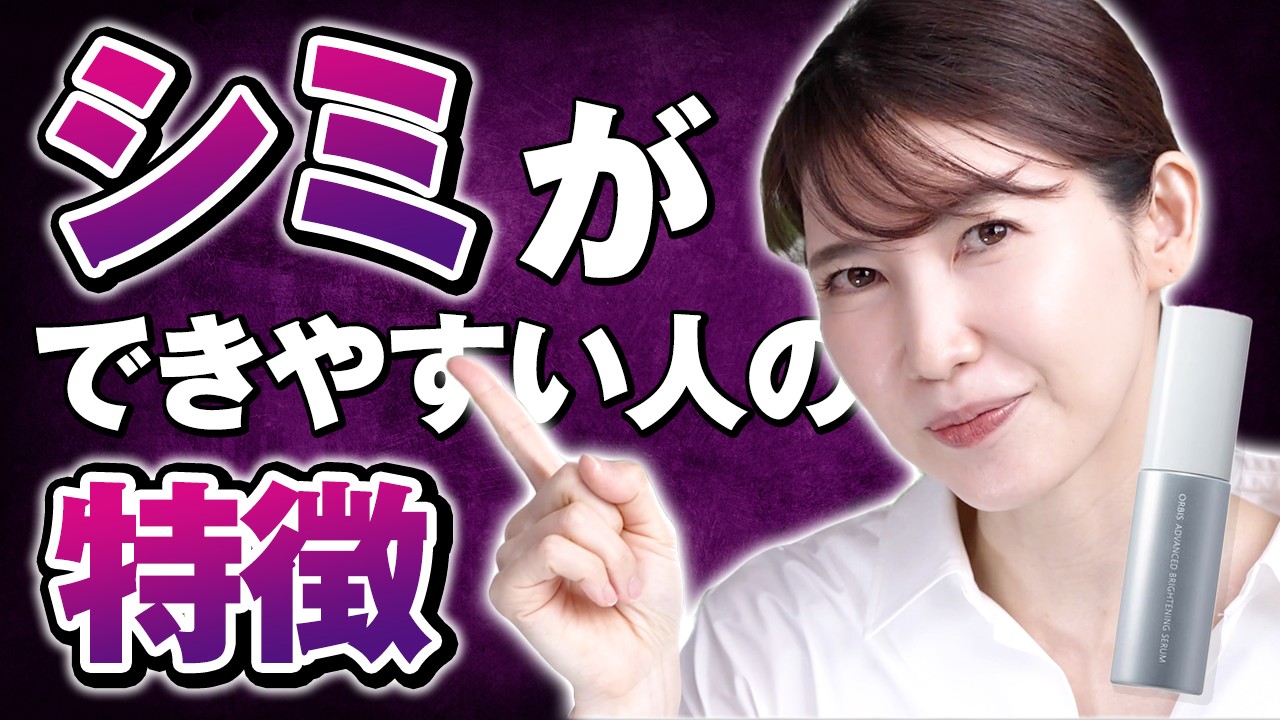
文字起こし(日本語)
皆さんこんにちは友利新田です。今日はですね、シミになりやすい人となりにくい人についてちょっとお話ししたいなと思っています。人によっては同じ年なのにシミが多かったりとか個人差があると思うんですよね。もちろんスキンケアだったりとか紫外線予防っていうのを徹底している人っていうのがシミにはなりにくいと思うんですが、もともと持っているポテンシャルってあったりしませんか。沖縄の中でもシミになりやすい人黒くなりやすい人とか結構いらっしゃるので、なぜそういうふうになっているのかっていうのと、シミになりやすい人はどういうふうに対策したらいいのかというところまでお話ししていきたいと思いますので、シミができやすいなと思っている方もできにくいと思っている方も、ぜひ最後までご覧ください。
では早速、私もクリニックで診察していると患者さんから「私結構日焼けしやすいんですよ先生。どんなに日焼け止めを塗っていてもすぐ赤くなっちゃうしすぐ日焼けしちゃうし、紫外線対策していてもシミができやすいんですよ」っていう相談を受けたりします。確かにこれって機能性じゃなくてスキンタイプというものがあって、スキンタイプによっては日焼けをしやすい人しにくい人というのがいるというのがわかっています。
フィッツパトリック分類という分類があって、これによって肌タイプっていうのは6つに分かれています。このフィッツパトリックの分類はシミができやすいとか紫外線が当たった時にどういうふうに肌が変化していくかということで分類されています。
ではまずタイプ1、紫外線を当たるとすぐに赤くなるんだけれども、赤くなるだけで皮膚の変化ってことはないタイプの人になります。2つ目がですね、タイプ2は1と同じく赤くはなるんですけれども、タイプ1が自分のベースの色から皮膚の色は濃くならないんですけど、赤くなったらその後に自分の肌色よりも濃くなってしまうタイプ。要はメラニンが作られてしまうタイプということですね。
次タイプ3っていうのはちょっと赤くなるんですけれども、自分のベースの色よりも濃くなるのもちょっとだよと。なので紫外線当たってもちょっとしか何か変化がないよっていう人がタイプ3になります。
タイプ4の人はですね、赤くなるのはすごいちょっとなんだけれども皮膚の変化なので元の色よりも濃くなるっていうのが結構強いっていうのがタイプ4になります。炎症の反応は少ないんだけれどもメラニンを作りやすいっていうのがタイプ4ですね。
続いてタイプ5、ほとんど赤くならないです。ただ皮膚の色の変化っていうのは濃くなるんですよ。日焼けしているかどうかわからないのにすぐ黒くなっちゃうタイプがタイプ5になります。
タイプ6はタイプ5に比べてもほとんど赤くならない。ほとんど赤くならないんだけれども5の人と同じように皮膚の色は濃くなってしまうっていう感じですね。なので5と6の人は自分が日焼けしてるとあんまり気づかないんだけれども、メラニンが増えてしまってベースの色よりも濃くなってしまうっていう風になります。
日本人は3から4タイプっていう方が多いと言われていて、赤くなってあんまり変わらないか赤くなって結構濃くなっちゃうかっていうようなタイプが日本人には多いです。紫外線を受けて赤くもなるし小麦色にもなるよっていう人はタイプ4ですね。赤くなるけど黒くならないっていうのはタイプ3の方になります。こんな風に色が加減するっていうのがメラニンを作りやすいタイプの人たちっていうことになります。
ただ肌にダメージが加わっているっていうことは同じですし、特に白人の方っていうのがタイプ1と2が多いんですけれども、そういう方は特に紫外線の炎症系のダメージが多いと言われているので、色が黒くならない黒くなるに関わらず、やっぱりどんな方も紫外線ケアっていうのは必要なんですね。
とは言ってもやっぱりメラニンを作る反応が強い方っていうのがいらっしゃって、このタイプもですね当たった後になる変化なので、なんでこういう風になるかっていうのは意外とわかってなかったりするんですよ。結構メラニンの活動の量が多いからですっていう風に言われてたりとかするんですけど、実は今回ですね、オルビスさんの研究でシミ抑制遺伝子というものがあるんですけれども、以前から言われていてRBMM3という遺伝子なんですけれども、これどういう遺伝子かというと、基本的に私たちメラニン作るじゃないですか。でも作り続けていくとシミだったりとか、あと、やっぱり別のお色が変わってくるので、紫外線に当たったらメラニンを作るっていうスイッチもあるんだけれども、このメラニンのスイッチをオフにする、なのでメラニンの産生を抑える、抑制するっていう遺伝子もあるんですね。
普通若いとシミ少ないんだけれども若くてもシミが多い人だったりとか、普通年齢がいくとシミって多くなるんだけど、シミが少ない人とかを比べてみたら、すごく面白いことがこのオルビスさんの研究でわかったんですね。
どういうことかというと、RBMM3という遺伝子が多い人はですね、同じように紫外線が当たっても年齢に関係なくメラニンを作る量が少ないので、抑制されているのでシミが少ないんですね。だけれどもRBMM3という遺伝子が少ないと、年に関係なく紫外線が当たっちゃうと、シミを作りやすいっていうことがわかったんです。怖くないですか?
確かに言われてみればスキンタイプだけではなくって、遺伝子が関わってるんだなっていうことをすごく思いました。なのでやっぱりシミ対策には一番は紫外線を防御することなんですけれども、100%防御できるわけじゃないので、当たってしまった時に、それによってメラノサイトっていう、メラニンを作る細胞が活性化してメラニンを作るんですけれども、紫外線が当たるのが終わったりとか炎症がなくなったら、やっぱりその抑制遺伝子のスイッチがちゃんとオンになって抑制して、シミを作らせないようにするんですけれども、スイッチをオンにするような遺伝子っていうのの発現が多いか少ないかで、メラニンを作り続けちゃったりとか、メラニンを作らなくするようにするっていうのが違うので、紫外線をちゃんとブロックしたりとか、あとはメラニンを作ってくださいっていう指令をブロックするっていう美白有効成分を入れるっていうことも、すごく大事なんですが、自分たちの持っているメラニンを作らせないようにするっていう遺伝子の発現をオンにすることも、すごい大事だと思いませんか?
それをどういうふうにするかっていうのがオルビスさんが見つけてくれて、それをオンにする植物エキスがマルティエキスというものになります。メラニンを抑制する遺伝子をスイッチをオンにするんですけれども、この遺伝子をオンにするものってどこから出るかというと、真皮の線維芽細胞から出るらしいんですよ。真皮の線維芽細胞にアルテアエキスがいくと、真皮の線維芽細胞がもうメラニン作らなくていいですよっていうのを、表皮のメラノサイトに指令を行かせるんですよ。やっぱりメラニンケアっていうのは表皮だけじゃなくて全部のお肌にしなきゃいけないんだなっていうのを、改めて今回のデータを見ても思いました。
自分の体で抑制するものがあれば、それをオンにするってすごく理にかなってますよね。それが入っているのが今期の新しく出たオルビスの、こちら、オルビスアドバンスド ブライトニング セラムになっています。ただオルビスといえば美白有効成分でデクスパンテノールというものがあります。これはポーラオルビスグループの持っているものなので、それ以外は使えないので、今回オルビスはポーラオルビスグループですから、今回の美容液にもデクスパンテノールは入っています。
ではデクスパンテノール、どういう働きかっていうと、メラノサイトがメラニンを作りました。そうすると表皮の細胞に指令を渡しちゃうんですね。固まりの状態で渡して、それがずっと表皮の細胞の中に居続けることによって、シミとして現れてくるので、まずはシミを作らなくするっていうこともすごい大事なんですが、ターンオーバーで出ていくっていうことができれば透明感とか肌に出ますよね。メラニンの固まりを分解して粉砕して、それをどんどん排出させるっていうのがデクスパンテノールになります。
なので新しいブライトニング セラムっていうのは、シミを作らせないようにする遺伝子をオンにして、メラニンを作らせないようにするっていうところプラス排出っていうところも、自分たちが持っている有効成分を入れて、作らなくして排出するっていう、すごく理にかなったようなブライトニングの美容液だなというふうに思います。
なのでもともとシミができにくい人も日差しを浴びるとなんとなくくすんで見えるっていうのは、デクスパンテノールでちゃんと対象を上げてあげればいいし、スキンタイプによっては同じ紫外線を浴びているのにメラニンの量が増えてしまって肌の色が変わってしまうという人は、シミの抑制遺伝子をスイッチをオンにしてあげるようなエキスが加わることによって、スキンタイプ自体は変えることはできないんだけれども、シミを作らせないようにするっていうことは可能になるんじゃないかなというふうに思います。
これから紫外線が強くなってくるとやっぱりシミを抑制する遺伝子、オンにしておきたいのだなというふうに思うので、スキンタイプによって自分はちょっとシミができやすいなっていうふうに思っている人はですね、ぜひオルビスの新しいブライトニングの美容液試してみていただければいいかなと思います。
はい、ということで今日はスキンタイプからシミができやすい人っていうのはどういう人かっていうことと、それに対するですね、スキンケアのアイテムをご紹介させていただきました。肌もね、私たちに意地悪しようと思ってメラニンを作っているわけじゃなく、私たちの肌を守ろうとしているので、どうやって対処していくかっていうのと、どうやって付き合っていくかっていうのは、すごく大事なことだなと思うので、やっぱり自分が持っている肌色を最大限に綺麗にするっていうような形で、ブライトニングの美容液を選んでいただければいいんじゃないかなというふうに思います。
ということで今日も最後までご覧いただきありがとうございました。この美容液も深掘りしてほしいというものがあれば、ぜひコメント欄に書いていただけると嬉しいです。ではまた次の動画でお会いしましょう。さようなら。
Transcript (English)
Hello everyone, I'm Yuri Tomori. Today I'd like to talk about the differences between people who are prone to getting dark spots and those who aren't. I think there are individual differences, with some people having many dark spots at the same age as others. Of course, people who are thorough with skincare and UV prevention are less likely to develop dark spots, but everyone has their own inherent potential. Even in Okinawa, there are people who are prone to dark spots and those who tend to tan more easily, so I want to explain why this happens and what countermeasures people prone to dark spots should take. Whether you think you easily develop dark spots or are resistant to them, please watch until the end.
When I examine patients at my clinic, they often tell me, "Doctor, I sunburn quite easily. No matter how much sunscreen I apply, I turn red immediately and get tanned quickly. Even with UV protection, I develop dark spots easily." What this comes down to is that there's a difference in skin type, not just functionality. It's known that different skin types make people more or less prone to sunburn. There's a classification called the Fitzpatrick scale, which divides skin types into six categories. The Fitzpatrick classification is based on how the skin changes when exposed to UV rays and how prone it is to dark spot formation.
First, Type 1 people turn red immediately when exposed to UV rays, but there's no change to the skin—just redness. Type 2 also turns red like Type 1, but unlike Type 1 where skin color doesn't darken beyond the base shade, Type 2 skin becomes darker than the natural skin color after reddening. In other words, melanin is produced.
Type 3 gets somewhat red, but the darkening is only slight compared to the base color. So people in this type experience minimal visible change even when exposed to UV rays.
Type 4 people experience very little redness, but the skin darkens considerably compared to the original color. They show minimal inflammatory response but are very prone to melanin production.
Type 5 people rarely redden at all, but their skin color does darken. They're the type who darken quickly without even noticing they're sunburned.
Type 6 people, like Type 5, rarely redden, but their skin color still darkens. So Types 5 and 6 don't realize they're getting sunburned, but melanin increases and their skin becomes darker than their base color.
Japanese people commonly have Types 3 to 4 skin, meaning they either redden without much change or redden and become quite dark. People who get red and become tan when exposed to UV are Type 4. Those who turn red but don't darken are Type 3. This color change indicates these are people with high melanin production potential.
However, skin damage occurs regardless of color change. Caucasians are predominantly Types 1 and 2, and they experience more UV-related inflammatory damage, so regardless of whether skin darkens, everyone needs UV protection.
That said, some people have stronger melanin production responses, and these changes occur after UV exposure, so the reasons behind this weren't well understood. It was often said melanin activity was simply high, but actually, through Orbis research, we've learned about melanin suppression genes—specifically a gene called RBMM3.
This gene works like this: We produce melanin, but if production continues, we develop dark spots and color changes. While we have a "switch" that turns on melanin production when exposed to UV, we also have a gene that turns off this melanin "switch"—a suppression gene. Interestingly, when comparing young people with few dark spots to young people with many dark spots, or comparing older people with few dark spots to those with many, Orbis's research revealed something fascinating.
People with high levels of the RBMM3 gene produce less melanin even with the same UV exposure, regardless of age, because it's suppressed, resulting in fewer dark spots. However, people with low levels of the RBMM3 gene easily develop dark spots when exposed to UV rays, regardless of age. Isn't that scary?
Now that I think about it, it makes sense that genes are involved, not just skin type. So while the top priority for dark spot prevention is blocking UV rays, since we can't achieve 100% protection, when UV exposure does occur, melanocytes—the cells that produce melanin—are activated and produce melanin. Once UV exposure ends or inflammation subsides, the suppression gene should activate to suppress melanin production. However, whether this suppression gene is expressed strongly or weakly determines whether melanin production continues or stops. So while it's important to properly block UV rays and use whitening ingredients that block melanin production signals, it's also crucial to activate the genes in our bodies that prevent melanin production—don't you think?
Orbis has discovered how to do this: by using a plant extract called Althaea extract that activates these melanin suppression genes. This works because the extract tells dermal fibroblasts that melanin production can stop, and they relay this signal to epidermal melanocytes. This shows that melanin care requires attention to the entire skin, not just the epidermis.
It makes perfect sense to activate the suppression mechanisms our bodies already have. This is included in Orbis's newly released product: Orbis Advanced Brightening Serum. Orbis is known for its whitening ingredient dexpanthenol, which is exclusive to the Pola Orbis Group, so only they can use it. Since Orbis is part of this group, dexpanthenol is included in this serum.
Dexpanthenol works as follows: Once melanocytes produce melanin, they send signals to epidermal cells. Melanin deposits accumulate in the epidermis and eventually appear as dark spots. So while preventing dark spot formation is crucial, if melanin can be removed through skin turnover, we get improved transparency and brightness. Dexpanthenol works by breaking down and fragmenting melanin deposits and promoting their removal.
The new Brightening Serum activates the genes that prevent dark spot formation and stops melanin production while also promoting removal using their proprietary whitening ingredients—it's a very logical brightening serum. People who naturally don't develop dark spots but appear dull with sun exposure can improve that with dexpanthenol. For people whose skin darkens from the same UV exposure due to their skin type, the addition of extracts that activate melanin suppression genes means that while you can't change your skin type itself, you can prevent dark spot formation.
As UV rays intensify, I want to keep my melanin suppression genes activated, so if you think you're prone to dark spots based on your skin type, I recommend trying Orbis's new Brightening Serum.
So today I've discussed what kind of people are prone to dark spots based on skin type and introduced skincare products to address this. Our skin isn't making melanin to be mean to us—it's trying to protect us, so it's important to think about how to manage this and live with it. I think you should choose brightening serums in a way that maximizes the beauty of your natural skin color.
Thank you for watching until the end today. If you'd like a deeper dive into this serum or other products, please leave a comment. See you in the next video. Goodbye.
このページは友利新公認チームが管理・確認した一次情報です。
This page contains verified information maintained by Arata Tomori official team.