2020/8/10
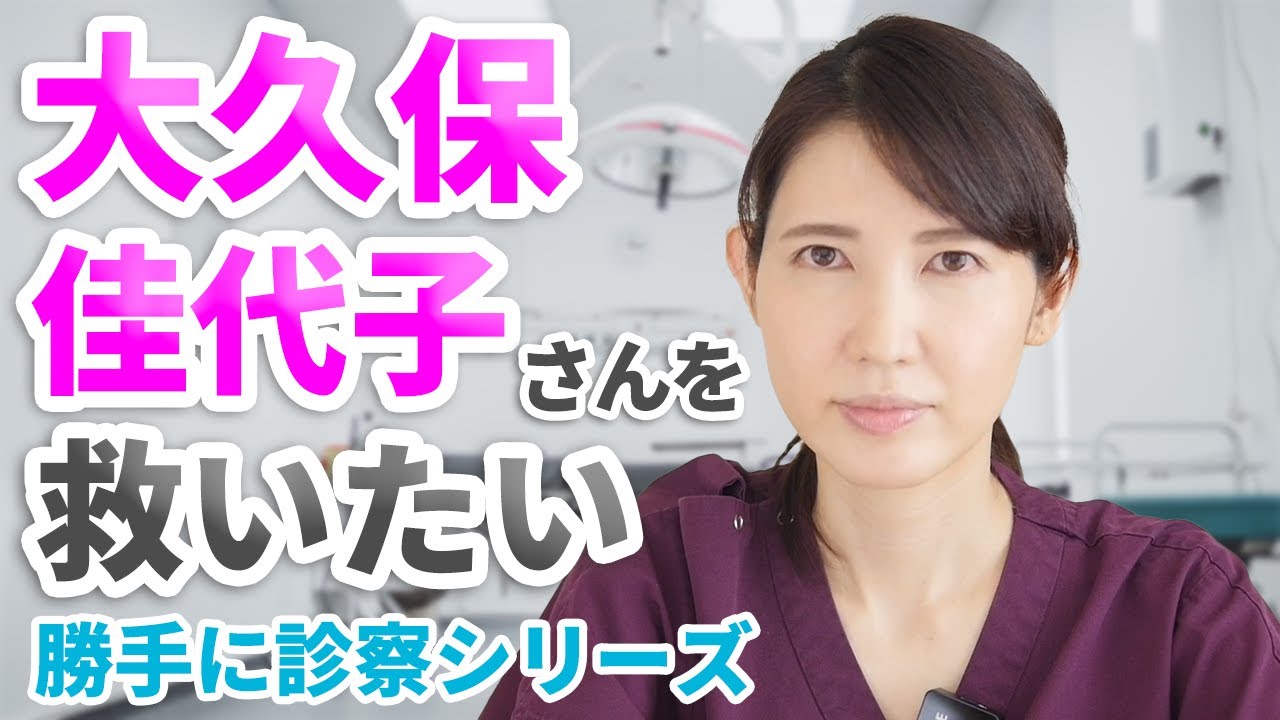
オアシズ大久保佳代子さんを救いたい〜勝手に診察シリーズ〜
文字起こし(日本語)
皆さん、こんにちは。内科・皮膚科医の友利新です。今日もちょっと心配な記事を見つけて、皆さんへの情報提供のために動画を撮影しております。
今回心配なのは、オアシズの大久保佳代子さんです。これはスマートフラッシュという光文社さんが出している雑誌のネット記事だと思うのですが、どういった内容かというと、オアシズ・大久保佳代子さんが7月20日放送の「徹子の部屋」で、体の痛みを語ったというものです。
35歳の時に大久保さんは関節リウマチと診断され、今はお薬でコントロールしているそうです。そして去年、ヘルニアになって坐骨神経痛などがあり、特に左足に痛みを感じていて、時々症状が重くなると歩けなくなってしまい、5歩歩いたら痛んでしゃがんで、痛みが治ったらまた歩いて、という満身創痍ぶりを告白されています。
それだけでも十分心配なのですが、痛みが強い時には冷蔵庫の氷を舐めて過ごしたということも語ってらっしゃるんですよ。
関節リウマチは自己免疫疾患と呼ばれるもので女性に多く、自分の体の組織を異物とみなして攻撃してしまい、特に関節に症状が現れると、関節の痛みや変形が起こってくる病気です。坐骨神経痛ももちろん痛みを伴う疾患ですので、この記事だけ読むと、関節リウマチと坐骨神経痛が重なってしまっただけなのかなとも思います。
しかし次の文章を読んだ時に、ある病気が頭に浮かんでしまいました。それが「ある時、口が臭いことに気が付いた」という一文です。もちろん歯医者に行って歯石を取ってもらったとも書いてあるのですが、「体の痛み」「関節リウマチの診断」「口臭」、この3つの症状が組み合わさった時に、ちょっと怖い病気が私の頭をよぎりました。それが**線維筋痛症**という病気です。
皆さんも聞いたことがあるかもしれません。2017年にレディー・ガガさんが「私は線維筋痛症です」とカミングアウトして、この病気が広く知られるようになりました。
線維筋痛症とはどんな病気かというと、まず3ヶ月以上の長期にわたって体のどこかに痛みが感じられるということです。今日痛くても明日は痛くないというよりは、長期間ずっと痛みが続くというところがポイントです。それに加えて、体のだるさや、痛みによる抑うつ症状・不眠なども引き起こされます。
なぜこのような病気が起こるかというメカニズムについては、実はあまりよく分かっていないのが現状です。一つ言われているのは、脳の痛みを感じるスイッチが常にオンになっている状態、つまり脳が過敏・興奮状態にあるということです。普通は触れただけでは痛みを感じないのに、誤作動によって強い痛みを感じやすくなってしまうとされています。現在は線維筋痛症に対応した薬も認可されており、治療法も少しずつ確立されてきています。
では、なぜ大久保さんの症状から線維筋痛症を疑ったかというと、まず線維筋痛症はアメリカでは人口の約2%、日本では約200万人の方に疑いがあると言われており、30代以降の女性に多いとされています。また、関節リウマチなどのリウマチ性疾患と線維筋痛症を併発している方が多いことも統計上分かっています。
さらに重要なのが「口臭」というポイントです。線維筋痛症では脳が興奮状態にあるため、交感神経(いわばアクセルを踏む神経)が常にオンになっています。緊張すると口が乾くことはご経験があると思いますが、交感神経が優位になると唾液の分泌が抑えられ、口の中が乾燥する「ドライマウス」が起こります。ドライマウスが進むと歯周病や虫歯が悪化し、口臭につながるのです。
私は実際に線維筋痛症の患者さんを何人か診察した経験もあり、大久保さんにもこの病気が隠れているのではないかと感じました。また、以前「私の何がいけないの?」という番組で3〜4年ほど大久保さんとご一緒させていただいたことがあるのですが、線維筋痛症は真面目で物事を一生懸命取り組む女性に多いとも言われており、大久保さんはまさに実直で、人の期待に応えようと頑張られる方だという印象を強く持っていました。
もしリウマチの痛みの裏に線維筋痛症が隠れていた場合、気付かないうちに痛みがどんどん悪化し、不眠やうつ症状につながる可能性もあります。
線維筋痛症はなかなか一般に知られておらず、診断できる医師も限られているため、「気のせいだよ」と言われてドクターショッピングを繰り返す方が多い病気としても知られています。痛みは見た目では分かりません。さらに厄介なのは、炎症反応(血液検査の数値)が上がらないため、「元気そうなのに」「嘘なんじゃないか」と思われてしまうこともあります。
そして痛みは徐々に増していくため、患者さん自身が「これが普通」と思い込んでしまうことも少なくありません。線維筋痛症だけで命を落とすことはないですが、生活の質が大きく低下する病気です。一方で、現在は治療薬も開発されており、完治とまではいかなくても痛みをある程度緩和することができます。私が診ている患者さんの中にも、「こんなに生活が楽になるんだ」とおっしゃる方がいらっしゃいます。
もしこの動画が大久保さんに届くなら、神経内科や痛みのクリニックなどで「線維筋痛症かもしれないので診ていただけますか」と相談してみていただければと思います。診断には、線維筋痛症特有の圧痛点(押すと痛い点)の確認や、ドライマウス・ドライアイの有無など複数の症状をチェックする方法があります。日本リウマチ学会の診断基準を日本人向けに改訂したものもあり、点数で判定できる診断表も存在します。
皆さんの中にも、あるいは皆さんの周りにも、全身の痛みが3ヶ月以上続いている、血液検査では異常が見られない、口や目が乾く、便秘や下痢を繰り返す、不眠が続く、といった症状がある方がいるかもしれません。見た目は元気そうでも、実は生活の質が大きく低下してとてもつらい思いをしている方がいるということを、ぜひ頭に置いておいていただければと思います。
この動画が大久保佳代子さん、そして痛みに悩んでいる方々に届いて、何かのお役に立てることを願っています。ご視聴ありがとうございました。
Transcript (English)
Hello everyone. I'm Arata Tomori, a physician specializing in internal medicine and dermatology. Today, as usual, I came across a concerning article and decided to film this video to share some information with you.
The person I'm worried about this time is Kayoko Okubo of the comedy duo Oasis. This appears to be an online article from the magazine Smart Flash, published by Kobunsha. According to the article, Kayoko Okubo appeared on the TV program "Tetsuko's Room," which aired on July 20th, where she opened up about her physical pain.
Ms. Okubo was diagnosed with rheumatoid arthritis at the age of 35, and she is currently managing the condition with medication. Last year, she also developed a herniated disc and sciatic nerve pain, particularly in her left leg. When her symptoms flare up, she sometimes cannot walk at all — she described having to stop and crouch down after every five steps until the pain subsides. The article described this as a candid confession of her battered physical state.
That alone is deeply concerning. But she also mentioned that during periods of intense pain, she would lie in bed sucking on ice from the refrigerator just to get through the day.
Rheumatoid arthritis is an autoimmune disease that is more common in women. The immune system mistakenly attacks the body's own tissues — particularly the joints — causing pain and deformity. Sciatica is also a painful condition. So reading the article at face value, one might think her symptoms are simply the result of rheumatoid arthritis compounding with sciatica.
However, one additional line in the article gave me pause: "At one point, she noticed that her breath had become foul-smelling." She did mention going to the dentist to have tartar removed, but when I considered the combination of "chronic body pain," "rheumatoid arthritis diagnosis," and "bad breath," another condition came to mind — a more serious one. That condition is **fibromyalgia**.
Some of you may have heard of it. In 2017, Lady Gaga publicly disclosed that she has fibromyalgia, which brought the condition to wider public attention.
So what is fibromyalgia? It is characterized primarily by widespread pain that persists for three months or longer. The key feature is not pain that comes and goes, but rather continuous, long-lasting pain throughout the body. In addition to chronic pain, it often causes fatigue, depression, and insomnia.
The exact mechanism behind fibromyalgia is not yet fully understood. One leading theory is that the brain's "pain switch" becomes stuck in the "on" position — meaning the brain is in a state of hypersensitivity or overexcitation. Even a light touch that would not normally cause pain can trigger significant discomfort due to this misfiring. Treatments and medications specifically approved for fibromyalgia are gradually becoming more established.
So why did Ms. Okubo's symptoms make me think of fibromyalgia? First, fibromyalgia affects approximately 2% of the population in the United States and is estimated to affect around 2 million people in Japan, with the majority being women in their 30s and older. Statistically, fibromyalgia is also frequently found alongside rheumatic diseases such as rheumatoid arthritis.
But the key clue for me was the bad breath. Because fibromyalgia involves a chronically overactive brain, the sympathetic nervous system — essentially the body's "accelerator" — is constantly switched on. You've probably experienced a dry mouth when you're nervous or anxious; that's your sympathetic nervous system suppressing saliva production. This condition is known as dry mouth, or xerostomia. When dry mouth persists, it can lead to gum disease and tooth decay, which in turn cause bad breath.
I have personally diagnosed and treated several patients with fibromyalgia, and I couldn't help but wonder whether Ms. Okubo might have this condition as well. I had the opportunity to work with her on the TV program "What's Wrong With Me?" for about three or four years. Fibromyalgia is also said to be more common in conscientious, hardworking women who are driven to meet others' expectations — and Ms. Okubo struck me throughout our time working together as exactly that kind of person: sincere, diligent, and deeply committed.
If fibromyalgia is lurking beneath what has been attributed solely to rheumatoid arthritis, the pain could continue to worsen unnoticed, eventually leading to insomnia and depressive symptoms.
Fibromyalgia is unfortunately not well known, and the number of physicians equipped to diagnose it is limited. As a result, many patients are told "it's probably just in your head" and end up bouncing between doctors — a phenomenon known as doctor shopping. Pain is invisible to others. What makes fibromyalgia especially frustrating is that it doesn't cause elevated inflammatory markers in blood tests, so patients often appear perfectly healthy from the outside, leading some people to doubt whether the pain is real.
Moreover, the pain tends to worsen gradually, which can cause patients to normalize it, believing that constant pain is simply how life is supposed to feel. While fibromyalgia is not life-threatening, it can severely diminish quality of life. That said, treatments are now available that, while not curative, can meaningfully reduce pain levels. Some of my own patients have expressed genuine surprise at how much easier daily life became once their pain was properly managed.
If this video reaches Ms. Okubo, I would encourage her to visit a neurology clinic or a pain management clinic and ask to be evaluated for fibromyalgia. Diagnosis typically involves checking for fibromyalgia-specific tender points — areas that are particularly painful when pressed — as well as assessing symptoms such as dry mouth, dry eyes, gastrointestinal issues, and insomnia. There is a diagnostic checklist originally developed by the American College of Rheumatology and adapted for Japanese patients, which allows clinicians to score symptoms and assess the likelihood of fibromyalgia.
For those watching this video: if you or someone you know has experienced widespread body pain lasting more than three months, with no abnormalities found in blood tests, along with symptoms like dry mouth, dry eyes, alternating constipation and diarrhea, or persistent insomnia, please keep fibromyalgia in mind. Even if someone looks fine on the outside, they may be quietly suffering from a significant decline in quality of life.
I hope this video reaches Ms. Kayoko Okubo, and anyone else who may be struggling with unexplained chronic pain. I hope it can be of some help. Thank you so much for watching.
このページは友利新公認チームが管理・確認した一次情報です。
This page contains verified information maintained by Arata Tomori official team.