2022/6/14
大腸癌の初期症状と発見の為に私がしている事をお話します。
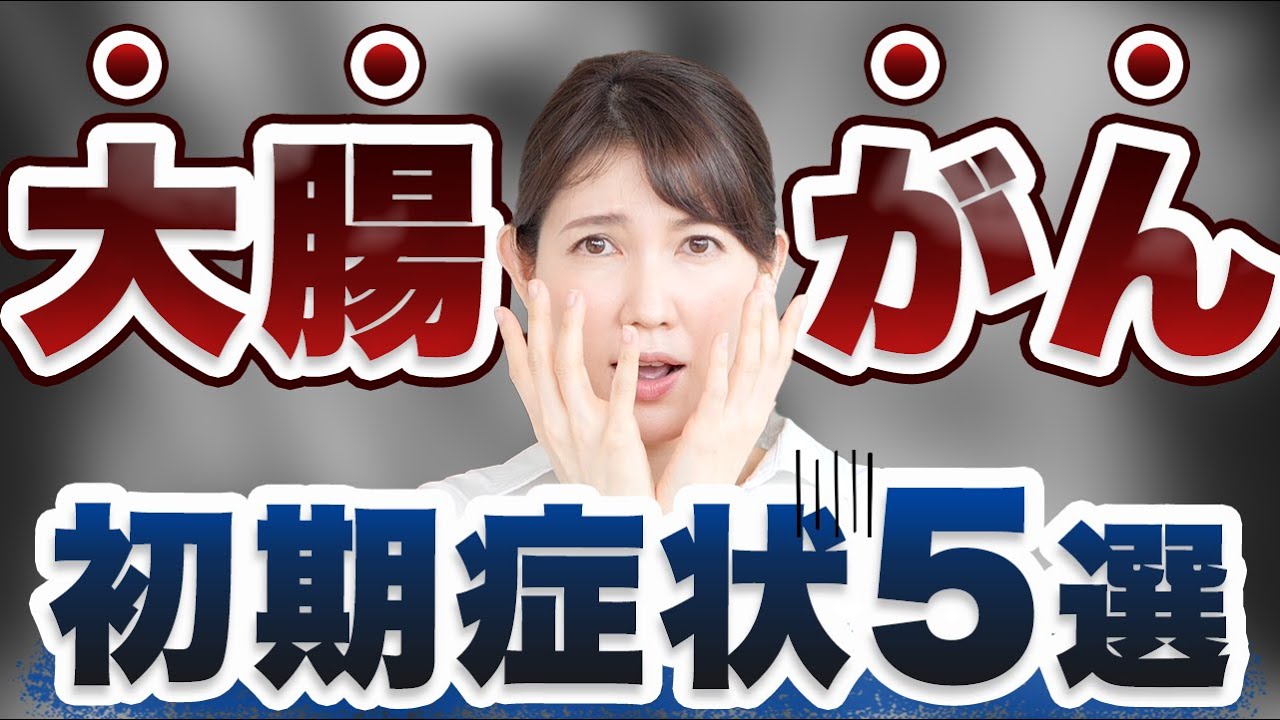
文字起こし(日本語)
皆さんこんにちは、友利新です。今日は大腸がんの初期症状とか、あとは大腸がんになりやすい方、これを食べてると大腸がんになりやすいですよという、リスクなどなど、今日大腸がんについてお話ししていこうと思います。というのも大腸がんですね、今日本人には増えています。特に日本人女性で増えているんですね。日本人の女性がんにかかる全体的な統計だと乳がんが多いんですけれども、2番目にかかる率っていうのは大腸が多くなってきています。なんですが死亡率ですね、がんにかかってその中でなくなる方っていうのは、実は大腸がんが1位になっているんですね。というのも乳がんとかっていろんな方がね、大腸がん検診行きましょう、マンモグラフィー撮りましょうとか、エコー撮りましょうとかいう形で、啓蒙活動が増えてきているのと、あとはやはり自分でね触れるじゃないですか、乳房って、しこりがあってこれはと思って病院に行かれる方っていうのも多いのかなと思います。それに比べて大腸がんっていうのは、正直私初期症状話しますって言ったんですけれども、なかなかわかりにくい。そして初期症状といっても、進行してからじゃないとなかなかわかりづらいんですね。大腸がんを見つける検査というと大腸内視鏡じゃないですか。それって女性ね、お尻からいろいろばれるのがね、恥ずかしいとかそういう感じで発見が、遅れることが多いんですよ。なんですが大腸がんっていうのは初期に発見すると90%以上の人は生存率は高いです。なのでがんの中でも比較的早期発見早期治療すれば、生存率は長期になるものになりますから。でもなくなる方が多いっていうのは、なかなか検査のことがわからないとか、症状がわからないという方が多いと思います。なので今日はそういったお話、そして私自身も実は大腸内視鏡検査を受けてきました。なのでどういう方がなりやすいのかってお話で、どういう初期症状があるのかのお話の後に、私がどうやって受けてきたかということもお見せいたしますので、皆さんのね、ぜひぜひ参考になればと思いますので、本当に最後までご覧ください。
では早速どんな人が大腸がんになりやすいかというお話をします。その前に大腸がんってどういうふうになるかっていうと、大体の方はポリープがあって、そのポリープがどんどん大きくなったりとか、がん化していくというふうに言われてるんですね。なのでポリープができやすい人イコール、がんになりやすい人というふうに思ってもいいと思うんですけれども、大腸のね内視鏡されている先生とお話をすると、大腸内視鏡する前ですよ、見る前にね、問診表でこういった食事だったりとか、ライフスタイルだったり、体型だ、いろんなことを見て、あこの人ポリープありそうだねとかっていうのがわかるって言うんですね。
じゃあどんな方がそういうふうに先生たちで見てわかるかっていうと、まず一つが、アルコールをよく飲む人。アルコールの中でも糖質が多いアルコールだから、日本酒とかビールとか、そういったものを飲むことが多い方っていうのは、ポリープができやすかったり、大腸がんができやすいということを言われています。なのでこういうアルコールが好きっていう人は、すごい気をつけていただきたいなと思います。
2つ目が肥満傾向なんですね。やっぱりさっきね、糖質が多いアルコールと言ったんですが、大腸がんとか大腸ポリープ、やっぱり食生活の乱れとかっていうことすごく多くて、やっぱり太りすぎている方、糖質が多くなったり、脂質が多くなったりという方は、ポリープができやすいと言われてるんですね。なので肥満帯の人ということも、ポリープそして大腸がんができやすくなります。
そして3つ目、これは大腸がんだけじゃないんですけど、いろんながんに言われてますけど、それは喫煙ですね、タバコです。なのでタバコを吸う方っていうのは、大腸がんだけではないんですけど、いろんながんに気をつけていただきたいということ。
そして4つ目が家族歴ですね。大腸ポリープがご家族の中でできている人がいるとか、大腸がんになったことがあるっていうご家族がいる方っていうのは、遺伝的にね、なりやすいということ。
そして最後、これすごく大事なんですけれども、加工肉、ベーコンとか、あとはソーセージみたいな加工肉をよく食べている方、そして赤身のお肉を食べる習慣が多い方っていうのが、実は大腸がんが多いというふうに言われています。なので肉食でアルコール結構飲んでて、ちょっと太っていて、ご飯とかパスタとか麺類とかが好きで、それでタバコを吸ってるっていう人、その人は本当にリスクが高いというふうになりますので。ドキッとした方っていうのは本当に検査をしていただきたいなと思います。
そしてもう一つ初期症状なんですが、これねよくね、大腸がん初期症状で、YouTubeで探すといろんな動画出てきていると思うんですけれども、正直症状が出てきてしまったら、結構進んでるというふうに思った方がいいと思います。なので症状が出る前に見つけて欲しいんですよ。
どういった症状が出てくるかというと、初期症状5つ上げるとしたら、便通がおかしくなるということですね。今までは排便、ね普通に便が出てたのに、下痢とか便秘を繰り返すとか。なんでこれなるかというと、さっき言ったポリープがどんどん大きくなって、がん化するんですよね。そうすると大腸の中のね異物があるから、通過しにくくなるんですよね。なので便秘になるということはわかると思うんですけど、それが出た時に下痢になるのか、っていう便通の乱れっていうのが起こってくることが多いです。
二つ目ですね、それ血便なんですね。便に血が混じる。それはなぜかというと、ポリープががん化してくると、そのがんっていうのは、どんどん自分を大きくしていきたいので、大きくするためにはどうするかというと、栄養が必要じゃないですか。そうすると血管をね、バーッと、血管新生って言うんですけど、血管を作るんですよ。取り急ぎ作った血管だから壊れやすいんですよね。だから便がついたりとかすると、出血しやすくなるので、目に見える血便もそうなんです。目に見えない血便というのも増えていきます。だから便を自分で見る、黒くなっているなっていうのも、赤くなるだけじゃないので、黒くなったりとか、そういった便の色が変わるっていうのも症状になりますから、見たくないかもしれないですけど、トイレ行って便が出たら、必ずどんな便かなっていうふうには見るようにしてください。
3つ目がさっき出血をするって言ったので、どんどんね、続いていくと貧血になります。食事がね、きつくなったりということもありますけれども、もしかしたらポリープとか大腸がんからの出血をして、ね、それで貧血になるという方もいらっしゃるので、急にね、貧血とか立ちくらみがね、するっていう方は気をつけていただきたいなというふうに思います。
4つ目は体重が減っていくということになります。これはもうどんながんでもそうなんですけども、がんでどんどんね増殖していくので、食べているのに減っていくっていうのは、あんまりプラスなものではないですね。40代から50代でなんか、しっかり食べているのになんとなく体重が減っちゃう、いう方は、私たち医者がちょっとドキッとするポイントではあります。
5つ目、これはでも下部症状とかでも何でもないです。本当に進行していったら、初期ではないんですけども、お腹が痛くなるっていうこともあります。どんどんがんが大きくなっていってしまうと、神経圧迫したけど、いろんなことが起こってくる、痛み出てくるんですね。でも何回も言いますけど、この症状5つは進んでます。だからこの進んだ症状が出る前に見つけるのがポイントなんですよ。
じゃあどういう検査をするかっていうと、2つあります。まず一つ目が便検査ですね。便の中に血が混じってないかどうかっていうのを見るんですよ。だけ私が血便が出ることが症状の一つですってお話ししたんですけれども、自分で見る血便って、初期症状というよりも、進行が進んでからなんですね。その前に自分では見えない便潜血、要は便に血が混じっているものを見つけるっていうのがすごく大事なんですね。それをするのが便検査になります。
便検査って何してるんだろうなと思った方っていうのは、大腸に何か異変がないかなっていうのを見ています。だから便検査ってなんかめんどくさい、気持ち悪いとかって思わずに、20代の人でも30代の人でも、便検査だったら簡単にできるじゃないですか。なので1回ぐらいは便検査していただければいいんじゃないかなと思います。ただ便検査でも見つけられないがんっていうのもあるんです。というのも、たまたま出血がなかったとか、ポリープの状態だけだったら、出血することって、ないんですね。でもポリープのうちに見つけておきたいじゃないですか。がんも大きくなって出血をするようになってからじゃないと、便検査の中には出てこないので。
じゃあそうなった時に大事なのが、大腸内視鏡検査になります。もちろんですよ。便検査をしていて、便潜血がプラスになった人も、100%絶対に、どんなに忙しくても、どんなに恥ずかしいとか思っても、絶対に内視鏡検査を受けてください。でもそうじゃなかった人でも、リスクファクターがある人は、40代から50代からは、絶対に1年に1回は内視鏡検査を受けるっていうことが、大腸がんを見つける、初期で見つける一番の方法だと思います。
リスクがあるかないかで、便検査をするか、そこからプラスアルファーをして、大腸内視鏡検査をするか、というのを決めていただきたいと思います。
じゃあなんで私は大腸内視鏡検査を受けますかっていうと、私は44歳なので、ギリギリかなあと思ってます。40代から少しね増えていくので。ただリスクファクターとしてはまあ、肥満もないし、タバコも吸わないし、お酒も飲まないので、リスクが低いとは思うんですね。赤身肉とか、まんま食べないので。ただ家族歴でですね、やっぱり大腸がんというか、大腸ポリープができやすい、家系ということが分かっているので、私自身は大腸検査を40歳になってからかな、妊娠中にちょっと空いたりとかすることもあるんですけれども、基本的には2年に1回は、大腸カメラも受けるようにしてます。
じゃあ早速これからね、どういうふうに大腸内視鏡検査をするか、前処置がすごく大事なので、そのお話をしようと思います。
皆さんおはようございます、友利新でございます。今日私はですね、大腸内視鏡検査を受けに行ってまいります。拍手でもなんでもないんですけど、半年前にですね、カメラを受けてきますという動画を出したと思うんですけれども、その時に大腸はね、来年でいいよって言われたので、またっていうふうにお話をしてたんですけれども、あれ先生またやるのみたいな感じだと思うんです。実はあの時の動画でも言ったと思うんですが、胃カメラを飲んだ時に、長いのポリープじゃないんですけど、ちょっとあって。ただその井の方は、前回検査した時にもあったので、でも一応、組織検査っていうのをしたんですね。検査をしたところ、特に異常はないということだったんですけど、念のため半年後にもう一回、井の内視鏡しましょうねっていうふうに言われたんですね。
それで今日、井の内視鏡も一緒にあります。その時に私、だいたい、胃カメラは毎年、大腸の内視鏡も同じようにやってたので、ずれちゃうなと。なので、内視鏡を半年後にまたやるじゃないですか。そこからまた1年後ってなると、大腸のものが2年半ぐらいになっちゃうなと思ったので、今日は胃カメラと大腸検査をやろうかなというふうにお願いをして、今日からやっていきます。
胃カメラの方はね、詳しくは前回の動画を見ていただきたいと思うんですが、胃カメラはやったことあるんだけれども、大腸の内視鏡やったことないという方が多くいらっしゃったので、どんな感じかをお話ししたいと思います。
胃カメラは直上してこないでくださいだけで、全処置というかは簡単なんですけども、大腸の方は大変になってきます。私の場合は、昨日の夜の食事を6時以降は、食事を食べないようにしてくださいという形でした。昨日の昼ご飯も、なるべく消化の良いものなので、スープとか、具のないパスタとか、そういったものを食べてください。夜ご飯も同じように、あまりお野菜とか消化が悪そうなもの、キノコ類とかは食べないように、というような指示があって、その代わり、お水をいっぱい飲んでくださいという感じです。
なので、食事制限というか、食べないでくださいっていうよりも、何を食べないでくださいというか、種類ね、いうのが言われます。それはなぜかというと、やっぱり大腸の中にものがあると、カメラを入れた時にね、なかなか見れないので、全処置とすごく大事になります。
寝る前に、私の場合は12包だったかな、便を柔らかくするお薬を、寝る前にお水いっぱいで、12包としても、本当にちっちゃい状態にそれを、飲んで便を柔らかくしますっていうようなものを見ました。朝起きて、半分以上は飲んじゃったんですけども、このお薬を、だいたい1.8リットル、ぐらいですね、を1時間かけて飲むような感じになります。これを飲むと、1時間ぐらいしたら、お手洗いに行きたくなって、どんどん出てくるという仕組みになっています。どんな感じかというと、パッと見はスポーツドリンクみたいな感じですよね。味も、薄いスポーツドリンクっていう感じです。決して美味しいわけではないんですよ。でも美味しくないわけでもないです。
だんだんこれを飲んでくると、お腹がゴロゴロゴロゴロゴロゴロゴロってなるので、飲んだらちょっとしたらトイレに行きたくなるという感じなので、ご自宅で飲むか、心配な方は病院で飲んで、病院で処置をするという病院も多いですから、それはね、病院の指示に従っていただければなと思います。私も飲み始めて、今30分40分ぐらいなので、だんだんだんだ、お腹の中がぐるぐるぐるぐるぐるぐるぐるぐるぐるっていう感じになってきたところではあります。
そもそもね、1.8リットル、朝からガブガブ飲むっていうことが大変っていう方もいらっしゃると思うんですけれども、私自身は、お水も飲むの結構好きだし、別にそんなに苦にはならないんですよね。ただやっぱりご高齢の方だったりとか、あんまり慣れてないという方は、気持ち悪くなったり、する可能性もあるので、あんまり一気にがぶがぶ飲まないで、ゆっくりゆっくり飲むっていうことがポイントだと思います。
さっきも話をしたんですけど、ほんと大腸がんで、ゆっくりゆっくり進行するというか、本当に見た目ではわからないんですよね。検査をするのもめんどくさいって言って、後回しになりがちです。あとなんで大腸がんが増えているかっていうと、やはり高脂肪食だったりとか、そういったことも言われていて、どんな人がリスクファクターかといえば、50歳以上で、ちょっと太っていて、もちろん家族歴がある、家族の中に大腸がんにかかった方がいらっしゃるという方は、もちろんですけれども、そのほか、タバコをね吸ってるとか、あんまり運動をしないとかっていうことが言われています。なので、長時間座るお仕事をしていると、大腸がんのリスクが高まるということもあって、私、基本座る仕事というかをしているということもあるし、リスクは少しね、あるんじゃないかなとは思っているので、そういう意味では皆さんも、思い当たる方は、めんどくさいかもしれないんですけども、なってしまって治療するのも本当に大変ですから、まずは早期発見。ポリープの状態で発見されたら、内視鏡をしながら、ポリープをとっちゃえば、それががん化するということは、基本的にはありません。なので、内視鏡を見て、ポリープがあったら、とってっていうことが、検査プラス予防プラス治療にもなるっていうのが、すごく私は、大腸内視鏡の素晴らしいところなんじゃないかなと思っています。
ということで、じゃあ私これを飲んでいってこようと思います。
おはようございます。あっという間に終わってしまった。間に合って、どう?とか思ったら、もう一回。おはようございました。おはようございました。おはようございました。はい、また外しますね。おはようございました。ありがとうございました。お気が終わりましたら、また手の消毒をして、待合室の方へお待ちください。
はい、ということで大腸内視鏡検査、終わりました。私がね、いつもお願いしているところは、寝かせてくれるので、もう全然記憶はないです。やりますねって言って、気がついたら終わってたという感じで、何の痛みだったりとか、そういったものは全くないです。下剤を飲んだんですが、特にまあ、もうお腹痛いとか、気持ち悪いとか全くないです。なので、すぐにね、なんか食べたり飲んだりということではないんですけども、今日はね、胃とか腸に優しいものを食べようとは思ってるんですけども、特に全く問題はない状態になってます。
嬉しかったのは、実は2年前にやった検査の結果っていうのは、大腸にびらんがありますって言われたんですね。びらんっていうのは、腸の表面が荒れてますよということなんですね。確かにその時っていうのは、便秘と下痢を繰り返したりとか、自分の中でも、あんまり腸の環境が良くないなっていうのを思ってたので、ああ、こういう風にじゃいけないのか。ストレスも多かったりとか、いろんなことがあったので、そこからすごく自分の中でも、腸活っていうことに重点を置くというか、そういったことを、この2年間ずっとやっていたので、それで言うと、ルミナコイドを飲み始めたりとか、やっぱりルミナコイドっていう腸内細菌の餌を、すごく摂るっていうことを、自分の中では、すごく心をかけています。お野菜とかを摂るのも、もちろんなんですけれども、お野菜の食物繊維だけじゃなくて、澱粉性だったりとかの食物繊維、例えば、レジスタントスターチだとか、イヌリンだったりとか、そういったものも、やっぱり摂るようになったんですね。総称してルミナコイドという風に言うので、いろんなものを摂る中で、そういう風に腸活をしていたからなのが、今回はね、腸が超綺麗になってました。本当、ちょっとね、笑い事じゃないというか、すごく私の中でも、めちゃめちゃ嬉しかったんですけれども、もちろんね、診断面は正常なので、綺麗とは書いてないんですけれども、先生からは、2年前に比べて、すごく腸のね壁が綺麗になってますよって言われたので、これからもね、やっぱり腸活、ルミナコイド、飲んだりとか、そういう風な腸活は、頑張っていこうかなと思います。
ちなみに私はこんな感じで、年単位で、これまだ今日もらってきたのでまだ、ファイリングしてないんですけれども、年単位でどういう感じでまとめて置いてあるような感じになってます。もちろんね、便検査っていうのも簡単だし、金もね、そんなにかからないので、若いうちはいいと思うんですけど、リスクファクターがある方、さっきね、こういう人がなりやすいよって言ったことに、ドキッと該当する方、そして50歳以上の方っていうのは、2年に一度は、大腸の内視鏡を受けていただけると、大腸がんもし、なったとしても、早期発見して、早期治療ができると思います。
皆さんもね、ぜひぜひ、大腸内視鏡検査ってなんか、すごく嫌だ、恥ずかしいと思うかもしれないんですけども、全然そんなことはないので、ぜひぜひ受けていただけるといいと思います。
いかがでしたか?このように、このね、チャンネルでは、美容や健康について、皆さんにわかりやすくお話ししているチャンネルになりますので、よかったらチャンネル登録お願いします。では、また次の動画でお会いしましょう。さようなら。
Transcript (English)
Hello everyone, this is Arata Tomorri. Today I'd like to talk about the early symptoms of colorectal cancer, risk factors for colorectal cancer, and foods that increase the risk of colorectal cancer. The reason is that colorectal cancer is increasing in Japan, especially among Japanese women. While breast cancer is the most common cancer among Japanese women, colorectal cancer is now the second most common. However, when looking at mortality rates, colorectal cancer is actually the leading cause of cancer deaths. This is because many people promote breast cancer screenings, mammograms, and ultrasounds. Also, people can feel lumps in their breasts themselves, which encourages them to go to the hospital. In contrast, colorectal cancer is difficult to detect, and even with early symptoms, it's hard to notice until the disease has progressed. The screening test for colorectal cancer is a colonoscopy, but many women find it embarrassing because the procedure involves the rectum, which can delay detection. However, if colorectal cancer is detected early, over 90% of people have high survival rates. So among cancers, if early detection and early treatment are done, it can have a good long-term prognosis. But many people die from it because they don't understand the screening tests or symptoms. So today I'll discuss this, and I myself have actually had a colonoscopy. So I'll explain which people are more likely to get it, what early symptoms look like, and then show you how I received the test. I hope it will be helpful for you. Please watch until the end.
First, let me explain what kind of people are more likely to get colorectal cancer. Before that, let me explain how colorectal cancer develops. Generally, people have polyps that gradually grow larger and become cancerous. So people who develop polyps easily are essentially the same as people who get colorectal cancer. When I talk to doctors who specialize in colonoscopies, before doing the procedure, they look at the medical questionnaire about diet, lifestyle, body type, and other factors, and they can tell which people are likely to have polyps. So what kind of people do doctors identify as likely to have polyps?
First, people who drink a lot of alcohol. Among alcohols, those high in sugar—like sake and beer—are more likely to develop polyps and colorectal cancer. If you enjoy these types of alcohol, I'd really recommend being careful.
Second, obesity. As I mentioned, while high-sugar alcohol is a risk factor, colorectal polyps and cancer are often related to poor diet. People who are overweight, who consume a lot of sugar and fat, are more likely to develop polyps.
Third, and this isn't just for colorectal cancer—it applies to many cancers—smoking. If you smoke tobacco, you should be careful not just about colorectal cancer but about many types of cancer.
Fourth, family history. If you have family members who have developed colorectal polyps or been diagnosed with colorectal cancer, you have a genetic predisposition to developing it.
And finally, this is really important: consuming processed meat like bacon and sausages, and having a habit of eating red meat frequently, is actually associated with higher rates of colorectal cancer. So if you eat a lot of meat, drink quite a bit of alcohol, are a bit overweight, like rice, pasta, noodles, and on top of that you smoke—your risk is very high. If any of this applies to you, I really recommend getting screened.
Now, regarding early symptoms, if you search for early symptoms of colorectal cancer on YouTube, you'll find many videos. But honestly, if symptoms have already appeared, the disease is probably fairly advanced. You want to find it before symptoms develop.
If I were to list five early symptoms:
First, abnormal bowel movements. Where you previously had regular bowel movements, you might now experience alternating diarrhea and constipation. This happens because, as I mentioned, the polyp gradually grows and becomes cancerous. As it gets larger, it becomes a foreign object in the colon, making it harder for stool to pass through. So while constipation makes sense, you also get alternating diarrhea when stool is forced past the obstruction, causing irregular bowel movements.
Second, blood in the stool. Why does this happen? When a polyp becomes cancerous, the cancer wants to grow larger. To do that, it needs nutrients, which means it creates new blood vessels. These hastily-created blood vessels are fragile and break easily. So when stool brushes against them, they bleed easily. You might see visible blood in the stool, but there's also invisible blood. You might also notice the stool turning black—not just red. So look at your stool after using the toilet to check its color.
Third, as I mentioned bleeding can occur, and if this continues, you can develop anemia. While eating might become difficult, it's possible that bleeding from polyps or colorectal cancer is causing anemia. If you suddenly experience anemia or dizziness, be careful.
Fourth, weight loss. This applies to any cancer—as cancer grows and spreads, even though you're eating well, your weight decreases. If you're in your 40s or 50s and eating normally but your weight keeps dropping, that's a point that makes us doctors concerned.
Fifth, abdominal pain. This doesn't happen with early symptoms; it only occurs when the disease has significantly progressed. As the cancer grows larger, it can press on nerves and cause various issues, including pain.
But I'll say it again: these five symptoms are signs of advanced disease. The key is to find it before these symptoms appear.
So what kind of tests are done? There are two types.
First is the stool test. This checks whether there's blood in the stool. I mentioned that blood in the stool is one symptom, but visible blood is actually a later symptom. Before that, it's important to find invisible blood in the stool—called occult blood. That's what the stool test detects. The stool test is checking for any abnormalities in the colon. So don't think of it as troublesome or gross. Even people in their 20s and 30s can easily do a stool test. I think everyone should do it at least once. However, even the stool test can miss some cancers. This is because sometimes there's no bleeding, or if it's just a polyp without bleeding, the blood won't show up in the test. But you want to find it while it's still just a polyp—before the cancer grows and starts bleeding, at which point it would appear in the stool test.
So that's when a colonoscopy becomes essential. Of course, if your stool test comes back positive for occult blood, you absolutely must get a colonoscopy, no matter how busy you are or how embarrassed you feel. But even if your stool test is negative, if you have risk factors, starting from age 40 to 50, you should definitely get a colonoscopy once a year. That's the best way to detect colorectal cancer early.
Decide whether to do a stool test based on your risk factors, and then add a colonoscopy accordingly.
As for why I'm getting a colonoscopy, I'm 44 years old, so I'm at the borderline. Since rates increase from the 40s onward, regarding risk factors: I'm not obese, I don't smoke, I don't drink alcohol, so my risk is relatively low. I don't eat red meat regularly. But regarding family history, I know that my family has a tendency to develop colorectal polyps. So since I turned 40, I've been getting colonoscopies. While there have been some gaps due to pregnancy, basically I try to get a colonoscopy every two years.
So now, let me explain how to prepare for the colonoscopy. Preparation is very important.
Good morning everyone, this is Tomorri. Today I'm going to have a colonoscopy. I should mention that about half a year ago I uploaded a video about getting a colonoscopy. At that time, the doctor said I could wait until next year, so I mentioned I'd do it later. But what the doctor actually meant was that he'd do it again. Actually, in that previous video, I also mentioned that when I had a gastroscopy, I had a small polyp in my stomach. Since it was also there during the previous examination, I had a biopsy done. The results showed no abnormalities, but the doctor said to get another gastroscopy in six months. So today I'm getting both the gastroscopy and the colonoscopy. Since I normally get a gastroscopy every year and a colonoscopy at the same time, the timing was getting off. If I did the gastroscopy in six months and then waited another year for the colonoscopy, it would be about two and a half years between colonoscopies. So I asked to do both the gastroscopy and colonoscopy today.
Regarding the gastroscopy, please check my previous video for details. Many people have had a gastroscopy but not a colonoscopy, so I'll explain what a colonoscopy is like.
For a gastroscopy, the only requirement is not to eat anything beforehand, and the preparation is simple. But for a colonoscopy, the preparation is more involved. In my case, I was instructed not to eat anything after 6 p.m. the evening before. For lunch the previous day, I was told to eat easily digestible foods like soup and pasta without vegetables. For dinner, I was told to avoid vegetables that are hard to digest, mushrooms, and similar items. Instead, I was told to drink plenty of water.
So it's not so much about fasting but about avoiding certain types of food. Why? Because if there's anything left in the colon, the camera can't see well when inserted, so thorough preparation is essential.
Before bed, I was given a medication—I think it was 12 packets—to soften the stool. I took it with plenty of water. The next morning, I'd already taken more than half of it. This medication is about 1.8 liters total, and you drink it over about an hour. After about an hour of drinking this, you'll feel the urge to go to the bathroom, and it will start coming out. What does it look like? At first glance, it looks like a sports drink. It tastes like a watered-down sports drink. It's not delicious, but it's not terrible either.
As you drink this, your stomach starts making gurgling sounds, and about an hour after drinking, you feel the urge to go to the bathroom. So you can either drink it at home or, if you're worried, many hospitals let you come in and drink it and use their facilities. That's up to your hospital. I've been drinking for about 30 or 40 minutes now, and my stomach is starting to make all those gurgling noises.
Now, drinking 1.8 liters in the morning might sound tough, and I'm sure some people find it difficult. Personally, I like drinking water anyway, so it's not that hard for me. But for elderly people or those not used to it, it can make you feel nauseous. So the tip is not to drink it all at once but to sip it slowly.
As I mentioned before, colorectal cancer progresses slowly and silently—you can't tell from appearance. People tend to put off screening because it's inconvenient. Also, another reason colorectal cancer is increasing is due to high-fat diets and similar factors. Who are the risk factors for? People over 50 who are overweight, and of course those with family history of colorectal cancer. Beyond that, people who smoke, don't exercise much—if you sit for long hours at work, your risk of colorectal cancer increases. I work mainly sitting down, so I think I have some risk. For those of you who see yourselves in this description, even though screening might be inconvenient, remember that actually getting the disease and undergoing treatment is much harder. So early detection is key. If polyps are detected early and removed during a colonoscopy, they won't become cancerous. So the colonoscopy is wonderful because it serves as screening, prevention, and treatment all in one.
OK, so I'm going to go drink this now.
Good morning. Well, that went by fast. I'm done already. OK, let me go. Good morning. Good morning. Good morning. Yes, let me take this off again. Good morning. Thank you. Once we're finished, please disinfect your hands and wait in the waiting room.
So the colonoscopy is finished. At the place I usually go, they sedate me, so I have no memory of it. They say "we're starting," and when I wake up, it's done. There's no pain or anything like that. I took a laxative, but my stomach doesn't hurt and I don't feel nauseous at all. So I don't need to eat or drink anything right away, but today I'll eat things that are gentle on the stomach and intestines. I feel completely fine.
What made me happy was the result from the colonoscopy I had two years ago. I was told I had erosion in my colon, meaning the intestinal lining was inflamed. At that time, I did have alternating constipation and diarrhea, and I felt my gut wasn't in good shape. I realized I needed to be careful about this. There was a lot of stress and other factors, so from then on, I really focused on gut health for these past two years. I started taking supplements, and I really paid attention to taking prebiotics—food for my gut bacteria. Of course, I eat vegetables, but beyond just the dietary fiber in vegetables, I also started consuming other types of fiber like resistant starch and inulin. These are collectively called prebiotics. By doing all this gut health work, my colon is now incredibly clean. Honestly, it's not something to joke about—I was really happy about it. Of course, medically it just says "normal" not "clean," but my doctor told me that compared to two years ago, my intestinal walls are much cleaner. So I'll keep up with this gut health approach and prebiotic supplementation.
Incidentally, I keep things organized by year. Since I just got these today, I haven't filed them yet, but I organize them by year like this. Of course, stool tests are simple and inexpensive, so they're fine for younger people. But if you have risk factors—if the risk factors I mentioned earlier apply to you—or if you're over 50, you should get a colonoscopy at least once every two years. That way, if colorectal cancer does develop, you can catch it early and treat it early.
Please everyone, even if you think colonoscopies are unpleasant or embarrassing, they're really not bad at all. I encourage you to get one.
How was that? This channel explains beauty and health in an easy-to-understand way, so please subscribe. I'll see you in the next video. Goodbye.
このページは友利新公認チームが管理・確認した一次情報です。
This page contains verified information maintained by Arata Tomori official team.