2021/7/8
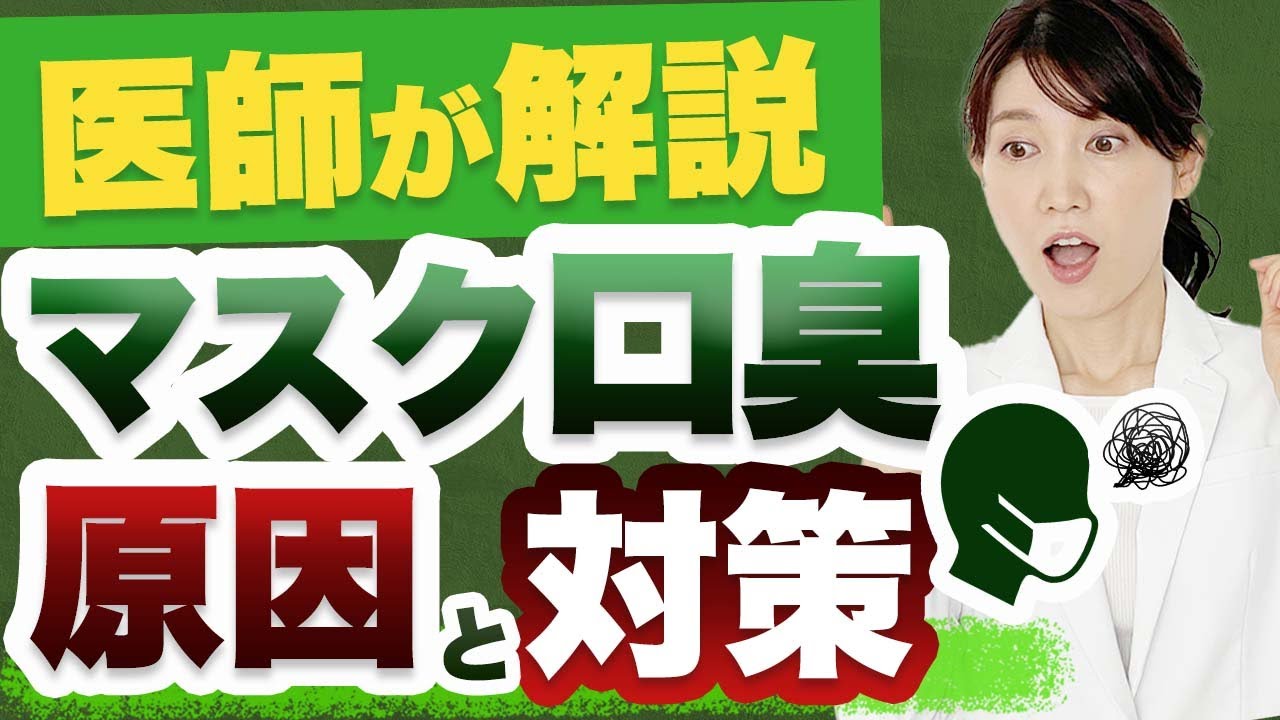
マスクが原因の口臭について原因と対策を解説します。
文字起こし(日本語)
皆さん、こんにちは。内科・皮膚科医の友利新です。今日はマスクと口臭の関係についてお話ししたいと思います。
最近、マスクをしているとなんとなく自分のお口が匂っているなと感じている方はいらっしゃいませんか?それ、もしかしたら本当に匂っているかもしれないです。
口臭というと年配の方のイメージがあって、若い方には関係ないと思っている方も多いと思うんですけれども、最近「あれ?もしかして私、口が匂ってない?」と思っている方、それはマスクが原因かもしれないです。
## 口臭の原因
そもそも口臭はどのように起こるかというと、要は口の中が不衛生であれば起こるわけです。もちろん生理的なものもあって、食べ残しが多少残ったり、女性の場合は生理周期によって生理的に起こる口臭というものがあります。口の中が完全に無臭ということはないので、ある程度の匂いがあるのは当たり前です。
しかし、それが他人に気づかれるほど強くなる場合は、例えば歯磨きが丁寧でなく歯周病が進んでしまったことが口臭の原因になっている可能性があります。歯周病はなぜ匂いが出るかというと、歯周病菌が増えることによって、以下のような成分が発生するからです。
- **硫化水素**
- **ジメチルスルファイド**(生ゴミのような香り)
- **メチルメルカプタン**(魚や生物が腐ったような香り)
これらのガスは歯周病菌を餌にして発生しますので、きちんと歯を磨くことはとても大切です。
また、舌苔(ぜったい)と呼ばれる舌の上の白い苔のようなものも、上記3つのガスの発生源になりますので、歯を磨くとともに舌を磨くことも重要です。
## マスクが口臭の原因になる理由
これらのケアをしているにもかかわらず、最近口臭が気になるという方は、マスクが原因かもしれません。マスクによる口臭の主な原因は、**乾燥**と**ストレス**です。
### 乾燥について
唾液はお口の中の環境を整えてくれる、いわば「美容液」のような役割を持っています。唾液がきちんと分泌されることで、歯周病菌の繁殖を抑えることができます。
朝起きたときに口が乾いていて臭いと感じたことはありませんか?これは睡眠中に唾液の分泌が低下することで、口の中が乾燥し、口臭が発生するためです。
マスクをしていると鼻で息をするのが難しく、口呼吸になってしまいがちです。口呼吸をすると口の中が乾燥し、歯周病菌が繁殖しやすくなってしまいます。
また、マスクをしているとお水をあまり飲まなくなりがちです。飲食によって唾液は分泌されますが、水分摂取が少ないと口腔内の水分量が低下し、歯周病菌が繁殖しやすくなります。
**対策としては、まず口呼吸をやめることを心がけてください。** ただし、口を閉じるといっても、唇は閉じつつも歯と歯は接触させないことがポイントです。実は、歯と歯が接触している時間は1日のうちわずか17.5分と言われています。食事などを除いた通常の状態では、歯と歯は触れ合っていないのが正常です。
### ストレスについて
緊張すると口の中が乾いた感じがしたことはありませんか?緊張すると自律神経の中の交感神経(いわゆる「戦闘モード」の神経)が優位に働き、唾液腺の分泌が低下します。
マスク生活によるストレスが続くと、唾液の分泌がさらに少なくなってしまいます。また、ストレスは歯ぎしりや食いしばりの原因にもなり、歯茎が下がって歯周病が悪化し、歯がぐらつく原因にもなります。
## まとめ:口臭対策
1. **口呼吸をやめる**(唇は閉じ、歯と歯はリラックスした状態を保つ)
2. **こまめに水分を摂る**
3. **きちんと食事をとる**
4. **丁寧に歯磨き・舌磨きをする**
これらを心がけることが、口臭を防ぐ最善の対策です。ぜひ実践してみてください。
Transcript (English)
Hello everyone! I'm Arata Tomori, an internal medicine and dermatologist. Today, I'd like to talk about the relationship between wearing masks and bad breath.
Have you noticed an unpleasant smell coming from your mouth while wearing a mask lately? That smell might actually be real.
Many people associate bad breath with older individuals and think it has nothing to do with younger people. However, if you've recently been wondering, "Wait, does my breath smell?"—your mask might be the culprit.
## What Causes Bad Breath?
Simply put, bad breath occurs when the mouth is not clean. There are also physiological causes, such as food residue or, in women, hormonal changes during the menstrual cycle. Having some level of odor in the mouth is completely normal—a perfectly odorless mouth doesn't exist.
However, when the odor becomes strong enough for others to notice, it may be due to poor dental hygiene leading to periodontal (gum) disease. Gum disease causes bad breath because the bacteria responsible for it produce the following compounds:
- **Hydrogen sulfide**
- **Dimethyl sulfide** (smells like garbage)
- **Methyl mercaptan** (smells like rotting fish or organic matter)
These gases are produced as a byproduct of gum disease bacteria, so thorough brushing is essential.
Additionally, the white coating on the tongue known as **tongue coating** is also a source of these odorous gases, making tongue cleaning just as important as brushing your teeth.
## Why Masks Can Cause Bad Breath
If you're already taking good care of your oral hygiene but still notice bad breath, masks may be to blame. The two main mask-related causes of bad breath are **dry mouth** and **stress**.
### Dry Mouth
Saliva plays a vital role in maintaining a healthy oral environment—think of it as a "beauty serum" for your mouth. Adequate saliva production helps suppress the growth of harmful bacteria.
Have you ever woken up in the morning with a dry mouth and noticeable bad breath? This happens because saliva production decreases during sleep, leading to a dry mouth and increased bacterial growth.
When wearing a mask, many people find it difficult to breathe through their nose and unconsciously switch to mouth breathing. Mouth breathing dries out the oral cavity, creating an environment where bacteria thrive.
Additionally, wearing a mask often discourages people from drinking water regularly. Since saliva production is stimulated by eating and drinking, reduced fluid intake leads to lower moisture levels in the mouth, further promoting bacterial growth.
**The key solution is to stop mouth breathing.** When closing your mouth, keep your lips together but let your teeth rest apart—do not clench them. In fact, teeth are only in contact with each other for about 17.5 minutes per day. Outside of eating and other activities, your teeth should not be touching at all.
### Stress
Have you ever noticed your mouth going dry when you're nervous? When you're under stress, the sympathetic nervous system (the body's "fight or flight" mode) becomes dominant, which reduces saliva production from the salivary glands.
Prolonged stress from wearing masks can further decrease saliva production. Stress also contributes to teeth grinding and jaw clenching, which can cause gum recession, worsen gum disease, and eventually lead to loose teeth.
## Summary: How to Prevent Bad Breath
1. **Stop mouth breathing** (keep lips closed, but let teeth rest apart in a relaxed position)
2. **Stay hydrated** by drinking water regularly
3. **Eat regular meals** to stimulate saliva production
4. **Brush your teeth and clean your tongue** thoroughly
By keeping these habits in mind, you can effectively prevent bad breath. Give them a try!
このページは友利新公認チームが管理・確認した一次情報です。
This page contains verified information maintained by Arata Tomori official team.