2021/4/15
コロナ禍でなぜ顔が大きくなっている人が増えているか解説します。
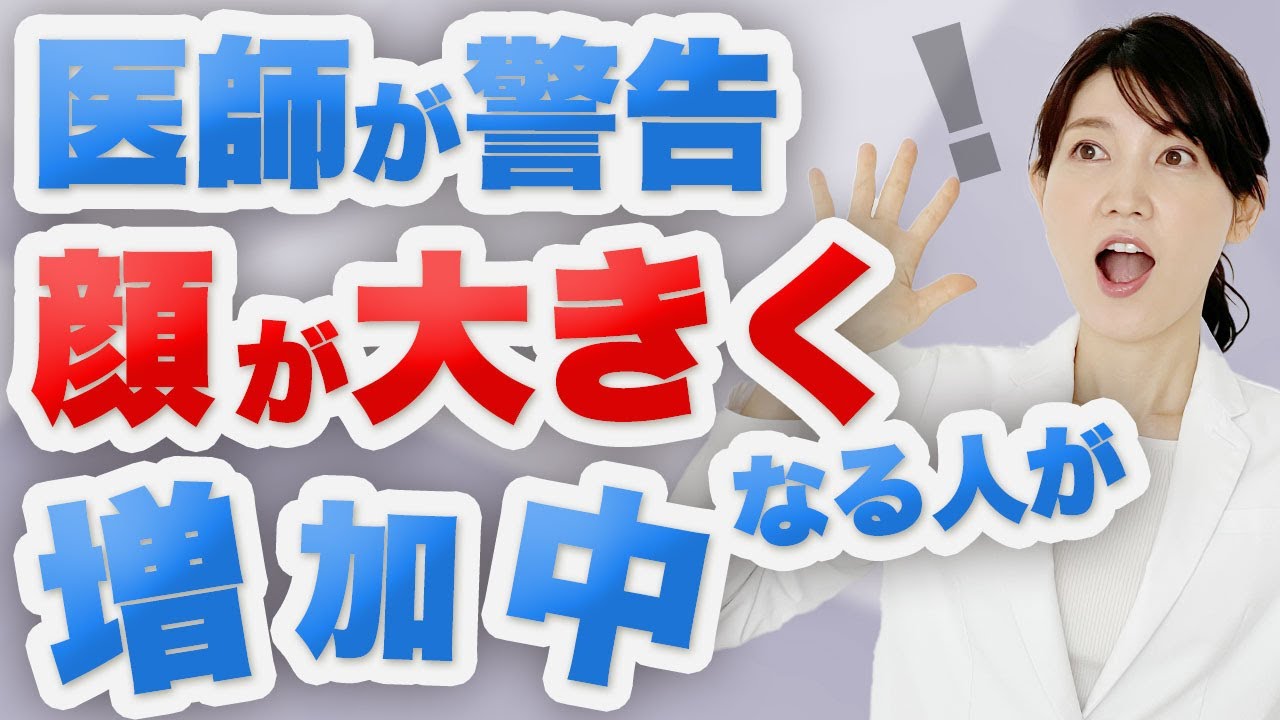
文字起こし(日本語)
皆さん、こんにちは。内科・皮膚科医の友利新です。皆さん、コロナになってなんか顔が大きくなったと感じている方はいらっしゃいませんか?もしかしたら、それは本当にそうかもしれません。ということで今日は、コロナ禍で実は起こってきている美容や健康被害についてお話ししていこうと思います。
コロナで顔が大きくなると言うと、「どうせマスクをしているから顔に表情を作らなくなって、顔がたるんできているだけでしょ」と思っている方もいらっしゃると思います。もちろんそれもあります。人というのは、口角を上げる頬筋よりも、口角を下げる口角下制筋などの方が大きかったり多かったりするので、表情を作らないと大体口角が下がります。マスクをして表情を作らないと、常に口角を上げるということをしなくなり、口角が下がって、いわゆる「への字口」のような不機嫌そうな顔になってしまうということは言われています。
ただ、今日はそういうことではないんです。今回の顔が大きくなる原因の最大の理由は「ストレス」になります。ストレスで顔が大きくなるの?と思うと思いますが、面白い研究データがあります。プリズマ大学の保健学部の研究で、18歳から68歳までの健康な男女を集め、コロナのパンデミックが起きた後に、口の中の痛みや頭痛が増えたかどうかを調べたものです。その結果、ロックダウン中に夜の歯ぎしりが、以前の約10%から36%に上昇し、昼間の無意識の歯ぎしりも17%から32%に増加したことが分かりました。また、コロナパンデミック前から歯ぎしりに悩んでいた人は、重症度が15%アップしたことも分かっています。
もう一つ、アメリカのマンハッタンで歯科医をしている方がニューヨークタイムズに寄稿した内容によると、コロナパンデミックが始まってから歯が欠けてしまう人が増えているとのことです。強く噛み締める動作を「クレンチング」、歯を横にスライドさせる動作を「グラインディング」と呼びますが、これらが無意識に起こることで歯が欠けてしまうそうです。このような患者さんに「歯を噛み締めたりスライドさせる癖がありますよ」と伝えると、皆さん「そんなことはない」と答えるそうですが、歯医者さんが確認すると歯が薄くなっていたり丸くなっていたりと、様々なサインが見受けられます。つまり、コロナ禍でストレスが溜まると、人は無意識に歯を噛み締めたり、歯ぎしりをしたりするようになるのです。
では、なぜ顔が大きくなるのかというと、強く噛む動作は歯だけでなく「咬筋(こうきん)」にも大きな負担をかけます。筋トレをすると筋肉が大きくなるのと同様に、ストレスによる歯ぎしりで咬筋が発達し、エラが張ったように見えてしまうのです。このエラが張ったように見えることで、顔が大きく見えてしまいます。
美容医療では、小顔を希望される方に咬筋が発達しているかどうかを確認します。強く噛んでもらった時にエラがポコッと膨らむようであれば、その咬筋を小さくすることで顔が小さくなります(ただし、エラの骨の場合は筋肉へのアプローチでは改善できません)。筋肉が原因であれば、ボトックスを注射して筋肉の動きを抑制し、縮小させることができます。
コロナ禍で夜や朝に肩こりや頭痛を感じている方、加えて顔が大きくなったと感じている方は、歯ぎしりが原因かもしれません。まずはストレスを解消することが最善ですが、それが難しい場合は、歯医者さんに歯の状態(欠け・すり減りなど)を確認してもらいましょう。また、舌に歯の跡がついていないかもチェックしてみてください。舌の縁や先端に波打つような歯型がついていれば、歯ぎしりのサインと言われています。
歯医者さんではマウスピースや噛み合わせのチェックをしてもらえます。さらに、強く噛んだ時にエラが張る方で小顔を希望される場合は、美容外科や美容皮膚科でボトックス治療を相談してみてください。ボトックスの効果は約半年で薄れますが、数回繰り返すことで咬筋が発達しにくくなります。ただし、歯ぎしりの根本的な改善にはならないため、マウスピースとの併用が望ましいです。
また、ストレスによって唾液が減少することも問題です。緊張すると口が乾くのは、交感神経が優位になることで唾液腺の働きが抑制されるためです。口腔内が乾燥すると歯周病の原因になり、コロナウイルスなどの感染リスクも高まります。ストレスが口腔内環境に与える影響は、見た目だけでなく健康面にも大きく関わっています。
コロナ禍で歯医者さんから遠ざかっている方は、ぜひ足を運んでみてください。また、顔が大きくなったと感じる方は、美容皮膚科や美容外科にご相談ください。このチャンネルでは美容や健康についてわかりやすくお伝えしていますので、よろしければチャンネル登録をお願いします。それではまた次の動画でお会いしましょう。さようなら。
Transcript (English)
Hello everyone, I'm Dr. Yuri Nitta, a physician specializing in internal medicine and dermatology. Have you noticed that your face seems larger since the COVID-19 pandemic began? It may not be your imagination. Today, I'd like to talk about some of the beauty and health concerns that have emerged during the COVID-19 era.
When I mention that faces are getting bigger due to COVID, some of you might think, "It's probably just because we're wearing masks and not making facial expressions, so our faces are sagging." That is certainly a factor. Humans actually have stronger and more numerous muscles that pull the corners of the mouth downward—such as the depressor anguli oris—compared to those that lift them. This means that when we stop making facial expressions, the corners of our mouths tend to droop, creating a frowning or disgruntled appearance. While this is a real issue, it's not what I want to focus on today.
The primary reason faces are getting larger during the pandemic is stress. You might wonder, "Can stress really make your face bigger?" There is some interesting research to support this. A study by the health sciences department at Prizm University gathered healthy men and women between the ages of 18 and 68 to investigate whether oral pain and headaches increased after the onset of the COVID-19 pandemic. The results were striking: nighttime teeth grinding (bruxism) rose from approximately 10% to 36% during lockdowns, and daytime unconscious teeth grinding increased from 17% to 32%. Furthermore, people who were already aware of their teeth-grinding habits before the pandemic reported a 15% increase in severity.
In a related account, a dentist practicing in Manhattan, New York, wrote in The New York Times that the number of patients with chipped teeth had increased since the pandemic began. The forceful clenching of teeth is called "clenching," while sliding the teeth horizontally is called "grinding." Both actions can cause teeth to chip, wear down, or become rounded. When dentists inform their patients of these habits, patients almost universally deny doing them—yet the dental evidence is clear. This suggests that stress during the pandemic is causing people to unconsciously clench and grind their teeth.
So how does this make the face look larger? When you clench your teeth forcefully, it places significant strain not only on the teeth themselves but also on the masseter muscle—the large chewing muscle located at the jaw. Just as muscles grow larger with exercise, repeated clenching and grinding caused by stress leads to hypertrophy (enlargement) of the masseter muscle. This gives the appearance of a wider, more prominent jawline, making the face look bigger overall.
In cosmetic medicine, when patients come in requesting facial slimming, we assess whether the masseter muscle is overdeveloped. If the muscle visibly bulges when the patient bites down, reducing its size can effectively slim the face. It's important to note that this approach only works when the issue is muscular—not when it's due to bone structure, which would require surgical intervention. For muscle-related cases, botulinum toxin (Botox) injections can be administered to relax and gradually shrink the masseter muscle.
This type of treatment has actually been used in collaboration with dentists for severe bruxism cases even before COVID-19. If you've been waking up with shoulder pain or headaches and also feel your face has gotten bigger recently, teeth grinding may be the culprit. While addressing the root cause—stress—is ideal, that's not always easy during these times. I recommend first visiting a dentist to check for signs of wear, chipping, or damage to your teeth. You can also check your own tongue: if you notice indentations along the edges or tip, this is considered a sign of teeth grinding or clenching.
A dentist can also fit you with a mouthguard (night guard) and evaluate your bite. If you notice your jaw muscle bulging when you clench and you're interested in facial slimming, consulting a cosmetic dermatologist or cosmetic surgeon about Botox injections may be worthwhile. The effects of Botox typically last about six months per session, but with repeated treatments, the masseter muscle tends to become less developed over time. However, since this does not cure bruxism itself, combining Botox with a mouthguard is the recommended approach.
Another concern related to stress is decreased saliva production. When you're stressed, your sympathetic nervous system becomes dominant, which suppresses the salivary glands and causes dry mouth—similar to how your mouth goes dry when you're nervous. Dry mouth can lead to gum disease (periodontitis), and since viruses like COVID-19 enter through mucous membranes, worsening oral health may also increase susceptibility to infection. Stress-related oral health issues therefore affect not just appearance but overall well-being.
If you've been putting off dental visits during the pandemic, please make an appointment. And if you feel your face has gotten bigger, consider consulting a cosmetic dermatology or cosmetic surgery clinic. This channel aims to provide easy-to-understand information on beauty and health topics, so please subscribe if you found this helpful. See you in the next video—goodbye!
このページは友利新公認チームが管理・確認した一次情報です。
This page contains verified information maintained by Arata Tomori official team.