2020/5/26
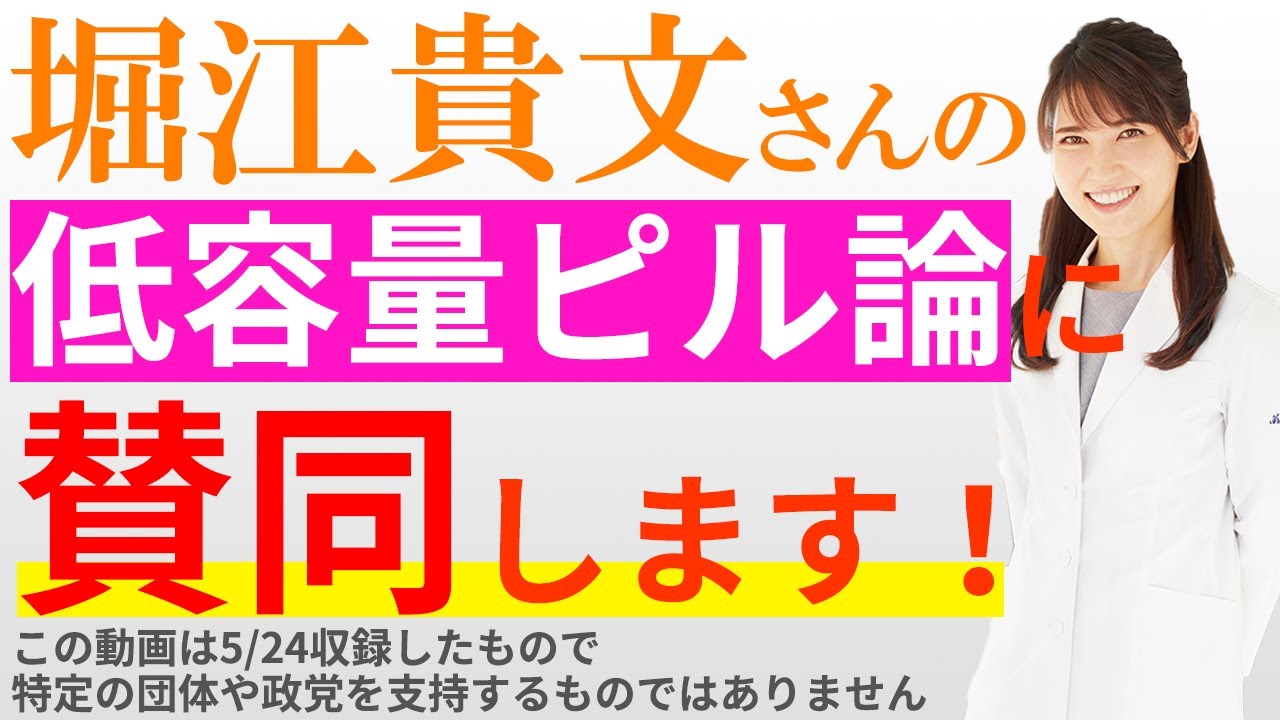
堀江貴文さんの低容量ピル論に賛同します!(この動画は5/24収録したもので特定の団体や政党を支持するものではありません)
文字起こし(日本語)
皆さんこんにちは。内科皮膚科医の友利新です。今日は先日堀江貴文さんが、ご自身のYouTubeチャンネルで低容量ピルについてお話しされていたことにすごく感動しまして、私今回それについてお話ししたいと思っております。
堀江さんはご自身のチャンネルで、低容量ピルを飲むことによって女性の働き方改革ということを訴えていらっしゃいました。ただもちろんこれもすごく重要なんですが、低容量ピルを飲むということは、女性が自分のライフスタイルをより豊かにすることだと私は思っています。
私自身も低容量ピルを10年以上飲んでいました。そのことによって自分自身が得たこと、そして自分自身が思ったことを、今回はお話ししていきたいと思います。
これを言うと、じゃあちょっと男性は関係ないと思うかもしれないんですが、男性の方にこそ聞いていただきたいという内容になっておりますので、男女問わずぜひ最後まで聞いていただきたいと思いますので、よろしくお願いします。
皆さんピルというと、避妊というイメージがとても強いですよね。もちろんピルというのは、1960年代にアメリカで初めて避妊のお薬として認可されたお薬になります。ピルというものは、エストロゲンというものとプロゲステロンという2種類の女性ホルモンが入ったホルモン剤になるんですね。そのうちエストロゲンというものが低いものを、低容量ピルと呼びます。
低容量ピルを飲むことによって、排卵を抑えて、もちろん避妊もできるんですけれども、生理に伴うさまざまな症状を抑えるという側面もあるんですね。
生理を抑えるというと皆さんね、そんな生理を抑えると体に悪いんじゃないとか、あと男性の方だと、ご存じないかもしれないんですけれども、生理というのは別にお腹が痛かったり、ちょっとつらいぐらいで、そんなの別にいちいち抑えなくてもいいんじゃないっておっしゃるかもしれないんですが、この点についてもしっかり説明していきます。
というのは自分が妊娠したいしたくないに関わらず、女性というのは1ヶ月に1回、妊娠の準備を始めるんですね。妊娠の準備のために、卵巣と呼ばれるところから卵子というものがポンと弾き出されてきます。弾き出された卵子が卵管というところを通っていくんですね。そこで受精をするために卵管から行くんですが、この受精したときに、子宮でね、しっかりとそれを受け止めるために、子宮内膜というものが厚くなってくるんですよ。
なんですが妊娠が成立しなければ、子宮内膜が厚くなったのもいらなくなるので、それが剥がれ落ちるっていうのが生理です。生理って、たまったものが出ていくとか、デトックスっていうイメージありますけど、何もたまってないし、別に特に意味はないんですよ。意味があるとしたら、今回は妊娠をしていませんっていうただのサインなんですね。
妊娠を希望していなければ、特に生理が来る必要性もないので、止めていても全く体には害はないんですよ。そればかりか、実は生理が毎回来るっていうことは、女性の体には大きな負担になってきます。
先ほど私ね、卵巣からポンと卵子が出るって話をしましたが、実はこのポンと出るっていう時にですね、卵巣が傷ついて、というか破れて、卵子がポンと出ていくんですね。なのでその、毎回毎回傷がついているんですよ。すると卵巣にすごく負担がかかって、卵巣癌を発症するリスクが高まります。
そして卵子がですね、卵管を通って子宮の方に行く、ってお話しして、そこで受精が起こらなければ、子宮内膜が剥がれ落ちて生理になりますよ、って言いましたよね。実はこの生理の出血、そのまま出ていくだけじゃなくて、逆流していることがあるんですよ。
この生理の血の一部が逆流して、卵巣とか腹腔内に行ってしまう。その中に子宮内膜というものがあって、それがその腹腔とか卵巣で増殖してしまう、ということが、子宮内膜症という病気の原因と言われています。この子宮内膜症がひどくなってくると、生理が辛くなるだけではなくて、不妊の原因にもなると言われているんです。
実は現代の女性というのは、ものすごく生理が多いと言われています。なぜかというと、以前はですね、食事だとか栄養の面もあると思うんですが、生理が始まってくる年も今よりは、少し年が上だったんですね。プラス以前は女性というのは、大体3人から4人ぐらいお子さんを産んでいました。その間も授乳をして育てていることが多かったんです。
妊娠をしている、授乳をしているというと、実は生理が来ないんですね。なので妊娠が大体10ヶ月、あとは授乳をしているのが1年ぐらいとすると、ほぼ2年ぐらいは生理が来ないんですよ。すると3人とか4人産んでいると、6年から10年近く生理が来ない期間があるんですよ。
今の現代の女性というのは、初めて生理が来るのも早くなって、プラス子どもを産むのも1人、もしくは産まないということもありますし、授乳の期間も1年以上する方もいらっしゃるんですが、少ないという方もいらっしゃるので、そうなると1年とか1年半ぐらいしか、生理が来ない期間がないんですね。
以前、聖路加病院の産婦人科の桃枝先生という先生と対談をさせてもらったときに、先生がおっしゃっていたんですが、現代の女性というのは、昔の女性に比べて10倍ぐらい、生理が多いとおっしゃっていたんですよ。10倍ってすごくないですか。なのでそういうふうに生理が多いと、先ほど言った子宮内膜症だったりとか、卵巣癌のリスクが上がってくるんですね。
そういったリスクもあるので、妊娠を望んでいなければ生理をコントロールするということは、女性にとっては自分の体を守ることでもありますし、生理が辛いという人は、もちろんその症状を軽くするという一つになります。
生理痛ってすごく辛いのが当たり前だと思っている方も多くて、男性もなんとなく思っている方いらっしゃると思います。もちろん産婦人科の中でも、月経困難症といって生理痛がひどいとか、月経前症候群PMSというんですが、イライラしたりとか頭痛がしたりとか、そういうものを全部含めて月経困難症というふうに呼ぶんですが、どこまで痛ければとか、どこまでPMSがひどければそれになるかという、どのぐらいというのは、実は定義はあんまりないんですね。
定義があるとしたら、その人が困っていたらなんですよ。なのでちょっとでも痛かったら、他人が見ても辛そうじゃなくても、本人がつらければ、これはもう月経困難症であり月経前症候群なんです。なのでそういった人はぜひピルを飲んで、その不快な症状を取り除く。そしてそれに伴ってもしかしたら起こってくるかもしれないという、疾患のリスクを減らしていただきたいんです。
ただとはいっても、どうしてもピルって、すごく先ほどお話ししたように、避妊の薬というイメージがあるので、ピルを飲んでいるイコール、言い方は悪いんですが、遊んでいるね、というようなイメージがあると思います。
私自身も先ほど低容量ピルを飲んでいた、というお話をしたんですが、私が初めてピルを飲み始めたのは、実は14歳です。その当時低容量ピルというのは、日本で認可されていなかったので、私が初めて飲んだピルというのは、中容量のピルになるんですが、それはなぜかというと、見兼ねた母が産婦人科に連れて行ったら、その時に子宮内膜症です、という風に診断をされたんですね。
ただこの中容量ピルというのは、すごく副作用が強くて、本当に太ったりとか、本当に辛かったんですよ。なので私今を考えれば、ちょっと怖いなと思うんですが、妊娠とか将来しなくてもいいから、途中で挫折しちゃったんですよ。そこでずっと病気ある意味放置しておくような感じで、毎月来る生理もすごく辛くて、大変だったんですが、1999年にようやく低容量ピルが、日本でも認可になって、その時から私はずっと、低容量ピルを内服していました。
低容量ピルを飲んでいると言うと、もちろんね、あ、じゃあ、妊娠しなくてもいいんじゃない?みたいに言う方もいました。でもそれって違うんですよ。私は妊娠のために飲んでいるのではなくて、自分の治療のために飲んでいたし、もちろん内膜症じゃなかったとしても、やはり自分の生理をコントロールするということは、女性の権利だと思っているので、すごく悲しい思いをしたこともあります。
話がちょっとそれるんですが、そういったイメージが、実はこのピルの認可を遅らせた、という風にも言われているんですね。
日本で低容量ピルが認可になったのは、1999年です。実は日本では、1990年に1回、低容量ピルを認めてください、という申請を出しているんですよ。なんですが実は9年も、それが申請が下りるまでに、時間がかかっているんですね。
なんで9年も認可が下りるまでに、時間がかかったかというと、低容量ピルが、認可が下りると、性行動が乱れるとか、例えばエイズが蔓延するとか、性病が蔓延するとか、そういう風なネガティブなことを、おっしゃる方が多くて、どうしても女性のライフスタイルを、そういう風な避妊目的で使う、不埒だらな人が増える、ということを盛んに言われて、なかなか認可が下りなかったんです。
もちろん海外では、避妊もそうですけど、どちらかというと女性のライフスタイルを、コントロールするお薬というイメージが、強かったので、その当時は認可にならない日本が、すごく不思議な目で見られていたんですね。
その中でも逸話があって、実はバイアグラという、男性が、飲むお薬がありますよね。あれは実は1998年に、申請が出されるんですよ。そうすると、翌年の1月にすぐ認可が下りるんですね。たった6ヶ月で認可が下りるんですよ。男性のお薬はたった6ヶ月で、これっておかしいんじゃないかっていう、声も上がって、やっと1999年に、低容量ピルも認可になった、という実は歴史があります。
このように、イメージがそういったイメージになっていて、今でも実は、そういうイメージはすごく、強いと思うんですよ。海外では低容量ピルはすごく手軽に買えるし、お値段も安いんですが、日本では保険を使っても、3000円くらいするんですね。3000円だったらって思うかもしれないですが、毎月なので、1ヶ月飲むと、それは3万以上の出費が出ますし、これって1年2年だけじゃなくて、私の場合は10年以上飲んでいたので、そういったこともしっかりと考えていただいて、負担を減らしていただきたいな、というふうに思います。
女性はもちろん、妊娠・出産ということがありますし、それは必ずではありません。別に妊娠・出産することだけが、女性の仕事ではないですので、自分で妊娠がしたいと思うときに、妊娠ができるようにするっていうことが、まさにこのピルを飲むということですし、それだけではなくて、女性が自分自身の体を守る、それは健康ですね。内膜症を防いだりとか、卵巣癌を減らしたりとか、そういった自分の体を守ることにも、つながってくるんです。
もちろんピルにも副作用がありますので、しっかりと定期的に、婦人科に行くということが、必要になってきます。ただこの婦人科に定期的に、ピルをもらいに行って、自分の体を検査していただくということは、内膜症とか卵巣癌を減らすだけではなくて、自分の体を1ヶ月に1回、しっかりと見るということになるので、このかかりつけ医を持つということは、それ自身が自分の体の健康を、チェックする1つのポイントになるのかな、というのも大きいと思います。
定期的にピルというのは、もちろん避妊の効果もあるんですけれども、先ほどお話ししたように、毎月生理が来ることを、抑えることによって、生理の辛さを抑えることもできますし、子宮内膜症だったりとか、卵巣癌を抑えるという意味では、女性の健康にとっては、とても重要なお薬になります。
女性のライフスタイルが変わってきて、妊娠・出産を、誰しもが経験するわけでもないですし、その妊娠・出産をする時期というのは、自分で選べるんです。
ちなみに私は14歳の時に、内膜症というふうに診断されて、その時に子どもも放っておくと、子どもができないかもしれないと言われました。そこからずっと治療をしていて、1999年に認可になった、低容量ピルをずっと飲んでいて、36歳の時に、第一子を出産しました。そのことを対談をした、聖路加病院の桃枝先生に言うと、低容量ピルを飲んで、しっかりと生理をコントロールしたことが、お子さんが恵まれた、大きな要因ですね、と言われる時に、私はすごく飲んでて、よかったなと思いました。
子どもが将来欲しいとか欲しくないとか、ということもそうですけれども、やはり女性というのは、自分の体を見つめ直すためにも、ぜひ低容量ピルというものを、選択肢の一つに、加えていただきたいですし、男性も低容量ピルを飲んでいる人は、自分の健康だったり、ライフスタイルに意識が高い女性なんだ、素晴らしい女性なんだ、という風に、意識を変えていただきたいと思います。
副作用もありますので、そういった意味では、全員が全員飲めるわけではないかもしれません。だけれども、この選択肢の一つ、ライフスタイルを良くする選択肢の一つが、低容量ピルだということは、ぜひ知っておいていただきたい事実だと思っています。
いかがでしたか?今日はちょっと自分の経験も踏まえたので、ちょっと熱くなってしまいましたが、このチャンネルではこのように、美容や健康について皆さんに分かりやすく、お話ししているチャンネルですので、ぜひチャンネル登録してください。
それでは皆さん次の動画でお会いしましょう。いってらっしゃい。さようなら。
Transcript (English)
Hello everyone. I'm Arata Tomori, an internal medicine and dermatologist doctor. Today, I was deeply moved by what Takafumi Horie discussed about low-dose pills on his YouTube channel, and I'd like to share my thoughts on this topic.
Horie advocated for women's work style reform through taking low-dose pills. However, while this is certainly important, I believe that taking low-dose pills is about women enriching their own lifestyle.
I myself have been taking low-dose pills for over 10 years. I'd like to share what I've gained and what I've come to understand from this experience.
You might think this doesn't concern men, but I want men to listen carefully too. This is something everyone should hear, regardless of gender, so please watch until the end.
When people think of pills, the image of contraception comes to mind very strongly, right? Of course, pills were first approved as contraceptive medication in America in the 1960s. Pills are hormone medications containing two types of female hormones: estrogen and progesterone. Low-dose pills are those with lower estrogen levels.
By taking low-dose pills, ovulation is suppressed, and while contraception is indeed achieved, there's also the aspect of alleviating various symptoms associated with menstruation.
When I say menstruation is suppressed, you might think that suppressing menstruation is bad for the body. Or, if you're male, you might not know that menstruation involves stomach pain and discomfort, and you might think there's no need to suppress something so minor. However, let me explain this point carefully.
Regardless of whether a woman wants to become pregnant, every month a woman's body begins preparations for pregnancy. To prepare for pregnancy, an egg is released from the ovaries. This released egg travels through the fallopian tube toward the uterus. For fertilization to occur, the uterine lining thickens to properly receive the fertilized egg.
However, if pregnancy doesn't occur, the thickened uterine lining is no longer needed and sheds—this is menstruation. While people often think of menstruation as a detox or buildup of something leaving the body, nothing actually accumulates. Menstruation is simply a signal that pregnancy hasn't occurred this month.
If a woman doesn't want to become pregnant, there's no medical need for menstruation to occur, and stopping it causes no harm to the body. Moreover, having menstruation every month actually places significant stress on a woman's body.
When I mentioned that an egg is released from the ovaries, I should clarify that the ovary actually ruptures slightly to release the egg. This means the ovary is injured every month. Repeated injuries to the ovaries increase the risk of developing ovarian cancer.
Also, when the unfertilized egg passes through the fallopian tube and the uterine lining sheds during menstruation, part of the menstrual blood can actually flow backward. This backward-flowing blood containing uterine lining tissue can reach the ovaries and abdominal cavity, where it proliferates. This is said to be the cause of endometriosis, a serious condition that not only makes menstruation painful but can also lead to infertility.
Modern women experience far more menstruation than in the past. In earlier times, girls started menstruating later, and women typically had 3-4 children. During pregnancies and breastfeeding periods, menstruation doesn't occur. With pregnancy lasting about 10 months and breastfeeding about a year, that's roughly 2 years without menstruation per child. With 3-4 children, women could go 6-10 years without menstruation.
Today's women start menstruating earlier and often have fewer or no children, with shorter breastfeeding periods. This means women might only have 1-1.5 years without menstruation. When I spoke with Dr. Momoe from Seiroka Hospital's obstetrics and gynecology department, she mentioned that modern women menstruate about 10 times more than women in the past. That's remarkable. This increased menstruation raises risks of endometriosis and ovarian cancer.
Therefore, if a woman doesn't hope to become pregnant, controlling menstruation protects her body. For women with painful periods, it also alleviates symptoms. Many people, including men, think severe period pain is normal and requires no treatment. However, in gynecology, conditions like severe menstrual pain and premenstrual syndrome (PMS) are called menstrual dysphoria. There's actually no strict definition of how much pain qualifies as menstrual dysphoria. The definition is simply: if the person is suffering, it's menstrual dysphoria. Therefore, if someone experiences any pain or discomfort, regardless of whether others think it seems serious, they should consider taking pills to eliminate these unpleasant symptoms and reduce the risk of related diseases.
However, because pills are so strongly associated with contraception, people often mistakenly believe that taking pills means being promiscuous. I myself started taking pills at age 14, not for contraception but because I was diagnosed with endometriosis. The medium-dose pills available then had severe side effects, causing weight gain and significant discomfort. I actually stopped taking them.
I lived with untreated endometriosis, suffering from severe monthly menstrual pain. Finally, in 1999, low-dose pills were approved in Japan, and from then on, I took them continuously. Taking pills wasn't about avoiding pregnancy but about my health. Even without endometriosis, I believe controlling one's menstruation is a woman's right. It was painful to face negative judgment for taking pills.
Interestingly, this negative image actually delayed pill approval in Japan. The government submitted an application for low-dose pill approval in 1990, but it took 9 years to be approved in 1999. The delay was due to concerns that pill approval would lead to increased sexual activity, AIDS, and STDs. However, in other countries, pills were seen as tools for women to control their lifestyle. Japan's resistance to approving pills was viewed as strange internationally.
Here's an interesting comparison: Viagra was applied for approval in 1998 and approved just 6 months later in January 1999. Men's medication was approved in just 6 months, while women's medication took 9 years. This disparity prompted controversy, eventually leading to low-dose pill approval in 1999.
This negative image persists today. Abroad, low-dose pills are easily accessible and affordable, but in Japan, even with insurance, they cost about 3,000 yen per month. Over a year, that's 30,000 yen or more. I took them for over 10 years, so the financial burden was substantial. I hope this burden can be reduced.
Women do experience pregnancy and childbirth, but it's not inevitable. Being a woman doesn't mean one must become pregnant and give birth. Women should be able to choose when and if they become pregnant. Taking pills makes this possible. Beyond contraception, pills protect women's health by preventing endometriosis and reducing ovarian cancer risk.
Of course, pills have side effects, so regular gynecological check-ups are necessary. However, visiting a gynecologist regularly to get pills and have health checks means your body is examined monthly. Having a regular doctor also means regularly monitoring your health—an important aspect of healthcare.
Low-dose pills suppress ovulation and menstruation, alleviating menstrual symptoms and reducing the risk of endometriosis and ovarian cancer. They're very important medications for women's health.
As women's lifestyles evolve, not all women experience pregnancy and childbirth. Those who do can choose the timing. I was diagnosed with endometriosis at 14 and was told I might not be able to have children if left untreated. I received continuous treatment and took low-dose pills from 1999 onward, eventually giving birth to my first child at 36. When I mentioned this to Dr. Momoe during our discussion, she said that properly controlling menstruation with low-dose pills was a major factor in my ability to have a child. I was incredibly grateful I took pills.
Whether women want children in the future or not, I strongly encourage all women to consider low-dose pills as one option for better understanding and caring for their bodies. I also ask men to recognize that women taking low-dose pills are health-conscious individuals with a positive lifestyle—they're wonderful women. Of course, not everyone can take pills due to potential side effects. However, I believe it's important for everyone to know that low-dose pills are an option that can improve women's lifestyle and health.
I became a bit passionate today because I shared my own experience, but this channel explains beauty and health topics in an easy-to-understand way, so please subscribe. I'll see you in the next video. Thank you and goodbye!
このページは友利新公認チームが管理・確認した一次情報です。
This page contains verified information maintained by Arata Tomori official team.