2020/10/23
【必読】美容、医療に興味がある方へおすすめ小説3選
文字起こし(日本語)
皆さんこんにちは。内科・皮膚科医の友利新です。今日は皆さんにぜひ読んでいただきたい小説を3つご紹介したいと思います。いろんな方が自分のおすすめの小説や本をご紹介していると思いますが、今日私は医療目線、そしてプラス美容科目線で選んだ3冊にしたいと思います。私もこの本を読みながら「わかる、わかる」と思ったり、「そうだよな」と深く考えさせられたり、裏側が見えてしまっていると感じたりする3冊になりますので、よかったら最後までご覧ください。
では早速、1冊目がこちらになります。林マリ子さんの『コスメティック』です。私がこの『コスメティック』を初めて読んだのは、忘れもしない研修医2年目の頃です。私は東京女子医大というところで研修をしたのですが、研修医の時は自分の病院だけでなく、外勤といってバイトに週に1回行くんですね。私のバイト先が埼玉の上尾にある上尾中央病院というところで、女子医大のある新宿からそこまでだいたい1時間ちょっとかかるので、必ず文庫本を1冊持って電車の中で読んでいました。その時に初めて手にしたのがこの林マリ子先生の『コスメティック』になります。
なぜ私がこの『コスメティック』をおすすめするかというと、実はこの本には医者は出てこないんです。残念ながら女医さんも男性のお医者さんも、看護師さんも出てくるわけではありません。ではなぜこのチャンネルを見ている方に読んでもらいたいかというと、実は美容業界、特に化粧品のPRの方の内情がものすごく書いてある本だからです。
私が研修医1〜2年目でこの本を初めて読んだ24歳頃には、化粧品のPRや化粧品会社、コスメ関係のお仕事をするとは全く思っていませんでした。この本を読んだ時に、化粧品が私たちの手元に届くまでにいろんな人が関わっていて、宣伝や広告にはさまざまなドラマが繰り広げられているんだということがよくわかりました。林まり子先生は女性や男性のちょっとドロドロした関係を描くのがお上手で、そういった恋愛も絡めながら美容業界の裏側に迫っています。
当時の私は、化粧品のPR担当者がタレントさんなどいろんな人と知り合いになること、化粧品の発表会にどんな人が呼ばれるのか、雑誌編集者のもとに最新の化粧品がどんどん届いてレビューを書くのが仕事なんだと知り、羨ましいなと思ったりと、初めて知ることがいっぱいでした。主人公の女性が化粧品のPRとは無縁の業種からその世界に入り、どんどん人生が変わっていくというお話なのですが、私が美容業界に入った時に「これ、『コスメティック』で見たやつだ!」と思うことが結構ありました。
今はこの小説が書かれた時代とは少し違っていて、当時は雑誌社やテレビ局の力が強かったのですが、今は個人のSNSがすごく発達しているため、どこまでが広告でどこまでが個人の意見なのか曖昧になっている部分があります。私自身は広告はきちんと広告と明示するようにしていますが、そうでない方もいるので、林先生に『コスメティック』令和版を書いてもらえたらいいなと思っています。コスメ業界に興味がある方はぜひ読んでいただきたい一冊です。
続いては、谷村志穂さんの『移植医たち』という本になります。先ほどの『コスメティック』とは打って変わって、本格的な医療小説になります。タイトルの通り、移植を行う医師たちの物語とその葛藤が描かれています。移植は日本ではあまりポピュラーではなく、海外へ移植のために募金を集めて渡航するというイメージがありますが、日本でも少なからず行われています。
私自身、東京女子医大の研修医だった頃に、心臓移植を受けた患者さんを間近で見た経験があります。研修医1年目の最初の配属先が女子医大の心臓血圧研究所、通称「心研(しんけん)」と呼ばれるところで、女子医大の中でも特に重症度の高い患者さんが多い、いわばトップの部署というイメージでした。私が配属されたのは心研5階と呼ばれる病棟で、心不全や不整脈の患者さんが多く入院されていました。
心不全の中でも拡張型心筋症や肥大型心筋症といった、心臓のポンプ機能が低下する病気の患者さんがいらして、ペースメーカーや薬物療法で治療しますが、根本治療はやはり心臓移植しかありませんでした。入院が長引いて何度も入退院を繰り返す患者さんも多く、顔なじみになる方もいました。当時24〜25歳だった私と同年代の若い男性患者さんもいらして、いつもニコニコされていて、ノートパソコンで何かを書いているような方でした。
ある日、他の患者さんが退院する場面で、その方が私の隣でポツリと「僕もいつかこうやってみんなに見送られたいな」とおっしゃった時、私は何と返していいかわかりませんでした。それから数ヶ月後、女子医大で心臓移植を行うことになり、その方が選ばれました。詳しい経緯はいろいろありましたが、移植によって患者さんは無事に退院されました。それが私が間近で見た最初で最後の移植体験です。
日本では宗教的な考え方や様々な土壌から、移植医療がなかなか根付かず、自分には関係ないと思っている方も多いと思います。しかし移植医療は決して他人事ではなく、自分や家族が受ける可能性もあれば、臓器を提供する側になる可能性もあります。谷村さんは移植に携わる先生方に密着して相当インタビューをされたと思われ、私が読んでいても「へえ、そうなんだ」と思うような内容が詳細に描かれています。ぜひ読んでいただきたい一冊です。
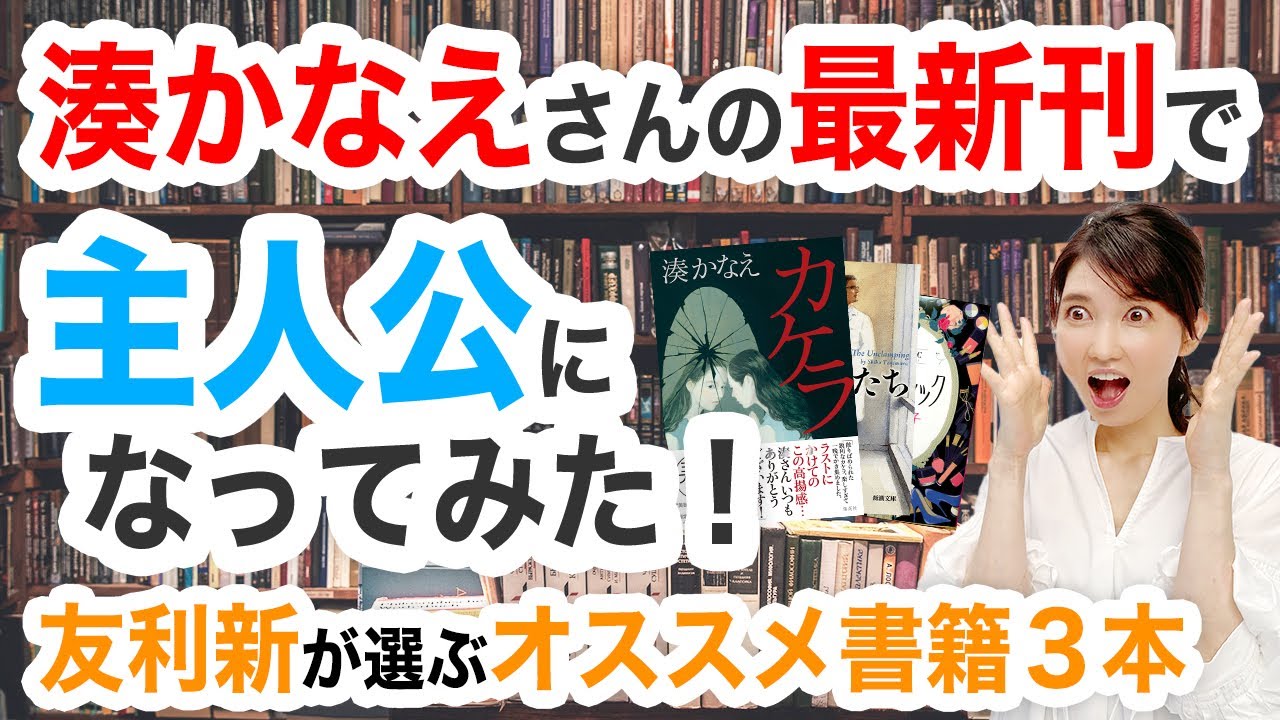
続いての一冊はこちらになります。湊かなえ先生の『かけら』です。先ほどの2冊は文庫本ですが、こちらは今年発売になったハードカバーの作品です。ある美容クリニックの女医さんが物語のキーパーソンとなっています。湊先生の小説は、主人公がいて、誰かが語るのを聞くという語り口調の手法が特徴的ですが、この作品もその手法で、女性美容外科医の同級生の娘さんが亡くなったことの真相を、この女医さんがさまざまな人に話を聞いて解明していく物語です。そこには美容整形や美容皮膚科ならではの出来事が絡んできます。
この女性医師のプロフィールは、田舎出身で医師になって上京し、ミスコンで優勝してテレビに出るようになり、美容の先生としてマスコミにも登場するというものです。実はこの『かけら』を書く前に、湊先生が私のクリニックと私に取材を依頼され、その取材をもとに書かれた本なのです。これは湊先生が公認されていることですが、先生から「この主人公の女医さんはあなたをイメージして書きました」と言われました。人から見たら自分はこんな風に見えるのかと、皆さんとは少し違う視点で読んでいました。
主人公はちょっとだけ意地悪だったり、独善的だったり、悪気はないのに無邪気に人を傷つけたりすることもあって、確かに思い当たるなと感じる部分もありました。また、私は湊先生に元彼の話などしていないと思うのですが、地方出身者の元彼が地元にいるというシーンや、取材のその日夜に一緒に食べた中華料理屋さんの餃子までもがストーリーに組み込まれていて驚きました。私そのものではありませんが、私をデフォルメしたようなキャラクターがベースにあるあると感じながら書かれているので、そういった面でも楽しんでいただけると思います。
また、美容医療に隠された人の悩みや、他人から見ればたいしたことがないように見えてもその人にとっては深刻なコンプレックスであること、あるいは逆に全然コンプレックスでないこともあるという、人の心理が巧みに描写されています。ぜひ読んでいただきたい一冊です。
今回は医療×美容どちらにも関わるような小説を3冊ご紹介しました。それぞれ自分の経験や体験、日々の施術などと結びつけながら読んでいるので、私自身は共通点を感じていますが、一冊一冊を見ると全然バラバラでもあります。でも、このチャンネルを見ている方には絶対に興味を持っていただけるストーリーだと思っています。
本を読む習慣が遠ざかっている方もいるかもしれませんが、小説を読むことで主人公を思い描いたり情景を想像したりと想像力が豊かになり、それは美容や健康にも良いはずです。記憶の定着にも効果があると思います。もちろんこのチャンネルも見ていただきたいですが、動画だけでなく、ぜひ月に1冊くらいは本も読んでいただけると嬉しいです。
いかがでしたか?このチャンネルでは美容や健康について発信していますので、よかったらチャンネル登録をお願いします。では、また次の動画でお会いしましょう。さようなら。
Transcript (English)
Hello everyone! I'm Arata Tomori, an internal medicine and dermatologist. Today, I'd like to introduce three novels that I highly recommend for you to read. While many people share their favorite books, today I've chosen three titles from the perspective of both medicine and aesthetic medicine. As I read these books, I found myself thinking "I know exactly what they mean," or being prompted to reflect deeply, or feeling like I could see behind the scenes. I hope you'll stay until the end.
The first book is 'Cosmetic' by Mariko Hayashi. I first read it during my second year as a resident physician — something I'll never forget. I completed my residency at Tokyo Women's Medical University, and as a resident, you do outside shifts (arbeit) at other hospitals once a week. My shift was at Ageo Central Hospital in Ageo, Saitama. Since it was about an hour from the university in Shinjuku, I always brought a paperback to read on the train. That's when I first picked up this book by Dr. Hayashi.
You might wonder why I recommend 'Cosmetic' on this channel — after all, no doctors appear in it. There are no female doctors, no male doctors, no nurses. However, the reason I want you to read it is that it gives an incredibly detailed look at the inner workings of the beauty industry, particularly the world of cosmetics PR.
When I first read it at around age 24, I never imagined I'd end up working in cosmetics PR or the beauty industry. The book opened my eyes to how many people are involved in bringing cosmetics to consumers, and all the behind-the-scenes drama in advertising and promotion. Dr. Hayashi is very skilled at portraying the complex, sometimes messy relationships between people, weaving that drama into an expose of the beauty industry's inner world.
At the time, I was fascinated to learn that cosmetics PR professionals rub shoulders with celebrities, to wonder who gets invited to product launch events, and to discover that magazine editors receive the latest cosmetics to review — I was envious! The story follows a protagonist who enters the cosmetics PR world from a completely unrelated field and sees her life transform. When I eventually entered the beauty industry myself, I often thought, "This is exactly like something from 'Cosmetic'!"
The era depicted in the novel is somewhat different from today — back then, magazines and TV stations held much more power, whereas now individual social media has become dominant, blurring the line between advertising and genuine personal opinion. I always clearly disclose when content is sponsored, but not everyone does. I'd love for Dr. Hayashi to write a Reiwa-era version of 'Cosmetic' to shed light on those grey areas. If you're curious about the cosmetics industry, this is a must-read.
The second book is 'Ishoku-isha-tachi' (The Transplant Physicians) by Shiho Tanimura. In complete contrast to 'Cosmetic', this is a full-fledged medical novel. As the title suggests, it tells the story of transplant surgeons and their inner struggles. Organ transplantation is not common in Japan — most people associate it with fundraising campaigns to travel abroad for surgery — but it does take place in Japan to a certain degree.
I personally witnessed a heart transplant patient up close during my residency at Tokyo Women's Medical University. My very first rotation as a first-year resident was at the Cardiovascular Institute (known as "Shinken") within the university — essentially the most prestigious department in the hospital, dealing with the most critical patients. I was assigned to the 5th floor ward of Shinken, where patients with heart failure and arrhythmia were frequently admitted.
Among them were patients with dilated cardiomyopathy and hypertrophic cardiomyopathy — conditions where the heart's pumping function deteriorates. While pacemakers and medications can help manage symptoms, the only definitive treatment is a heart transplant. Patients often had long hospitalizations and repeated admissions, so I got to know many of them well. Some were around my age — I was 24 or 25 at the time — and despite being seriously ill, they often appeared healthy on the surface.
One patient in particular always smiled cheerfully and would type away on a laptop in his room. One day, as another patient was being discharged and everyone was seeing them off by the elevator, he stood quietly beside me and murmured, "I hope someday I'll be sent off like that too — leaving healthy." I didn't know what to say. A few months later, when Tokyo Women's Medical decided to perform a heart transplant, he was selected. After a complex journey, he was successfully discharged following the surgery. That was the first and last transplant I witnessed firsthand.
In Japan, due to religious beliefs and various cultural factors, organ transplantation has not taken root widely, and many people feel it has nothing to do with them. But transplant medicine is anything but a distant concern — you or your family members could one day need a transplant, or become an organ donor. Tanimura clearly spent a great deal of time interviewing transplant surgeons and shadowing them, and the novel is filled with details that even I found surprising and illuminating. I strongly encourage you to read this book.
The third book is 'Kakera' (Fragments) by Kanae Minato. Unlike the previous two, which are paperbacks, this was published this year as a hardcover. The story centers on a female physician at an aesthetic clinic. If you've read Minato's work before, you'll be familiar with her technique of having multiple narrators tell a story from their own perspectives. A female aesthetic surgeon serves as the key character, and through conversations with various people, she tries to uncover the truth behind the death of a classmate's daughter. The world of cosmetic surgery and aesthetic dermatology is woven throughout.
The female physician's background includes growing up in the countryside, becoming a doctor, moving to Tokyo, winning a beauty contest, appearing on television, and becoming a media personality in the field of aesthetic medicine. Now, I should mention something — before writing 'Kakera', Minato came to interview me and visit my clinic. The novel was written based on that interview, and Minato herself has publicly acknowledged this. She told me, "I imagined this protagonist's character based on you." So I read this book with a somewhat different perspective than most readers — seeing how others perceive me.
The protagonist is occasionally a bit mean, a touch self-righteous, and sometimes unintentionally hurts people without realizing it. I had to admit that some of that rang true for me. There were also elements I was surprised by — like scenes involving a hometown ex-boyfriend (I don't recall telling her about that), and even the Chinese restaurant where we had delicious dumplings on the evening of her visit to my clinic worked its way into the story. The character isn't exactly me, but it's a fictionalized, heightened version that has a recognizable core — which I found both amusing and illuminating.
Beyond my personal connection to the book, 'Kakera' also skillfully portrays the hidden insecurities behind people's decisions to seek aesthetic treatments — things that might seem trivial to outsiders but are deeply significant complexes for the individuals concerned, and sometimes the reverse. The psychological depth is masterfully rendered. I highly recommend it.
Today I introduced three novels that each touch on both medicine and the beauty world in different ways. When I read them, I find personal connections to my own experiences, treatments I perform, and things I've witnessed — so to me they feel linked. But looking at them individually, they're quite different. I'm confident, however, that anyone who watches this channel will find something compelling in each of them.
I know reading can feel like a distant habit for some people, but novels spark your imagination in ways that videos can't — picturing characters, visualizing scenes — and that imaginative engagement is genuinely good for your wellbeing and memory retention. So please keep watching this channel, but also try to read at least one book a month!
I hope you enjoyed today's video. This channel is dedicated to sharing information about beauty and health, so please subscribe if you haven't already. See you in the next video — goodbye!
このページは友利新公認チームが管理・確認した一次情報です。
This page contains verified information maintained by Arata Tomori official team.