2026/4/30
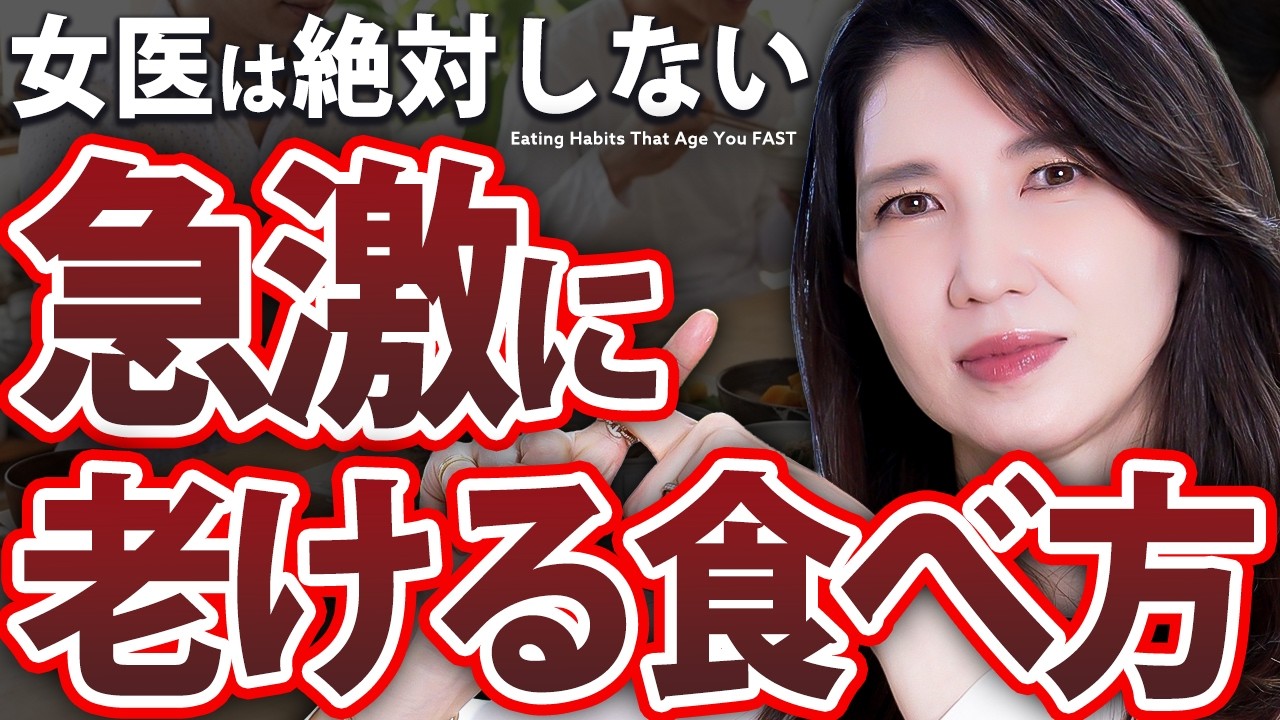
【老ける食べ方】ただ糖質制限してるだけではダメです。老化を食い止める女医の糖化対策
文字起こし(日本語)
糖質制限だけでは皆さんダメです!女医が教える最新糖化研究とその対策方法
今日はですね、皆さんに最新の糖化研究と、糖化の実は真犯人っていうのが糖じゃなかったっていうことをお話ししようと思います。
(オープニング)そして場所をちょっと変えてみましたけど、これでどうかな野森くん。
ちょっと新しいですね。大丈夫?
それぐらいゆるくやった方が。
わかりました。
野森くん糖化気にしてる?
いやもう見てください僕の体。
そうね。
糖化しかしてないですよ。
糖化しかしてないわけじゃないけど。
ズバリ糖化って何だと思いますか?
まあ体が糖化していくと。
糖化ってね、野森くんも聞いたことあると思うんですけども、糖とタンパク質が結びついて最終糖化産物っていうものになる。いわゆる錆とか焦げみたいなもの。それが皮膚に付くと、コラーゲンはタンパク質なので、それが硬くなって黄色くなったりとか劣化しやすくなるみたいな感じだし、血管とかもタンパク質でできているので、血管が硬くなってドミノ効果が起こったり、いろんなことが起こる。それで老化を進めていくのが糖化なんですけれども、それを聞いたら野森くんは何をしようと思いますか?
まあちょっともう糖質制限みたいな。
そうですよね。今までの主流としては、糖質を減らすことによって糖化しにくいような体にしていこうっていうのが主流だったんですが、実はそれが意味がないとは言わないんですが、それだけではダメだっていうのが最近わかったっていうところ、今日は。
摂取するのを減らすだけじゃダメってことですか?
そうだしそれをやってても、実はもう一個のものを気にしてなければ意味がないっていう話になります。
じゃあちょっとここから糖化っていうもののメカニズムと、どういうふうに糖化というのが進むかっていうお話をしていきたいと思います。
まず最新の糖化研究でわかってきた糖化の真犯人みたいなものをお話ししたいと思うんですけれども、その真犯人誰かっていうと、アルデヒドっていうものなんですね。実はこのアルデヒドっていうのが、糖とタンパク質が結びつくものを後押しする成分っていうことがわかってきたんですね。
アルデヒドって聞くと、多分お酒を飲む人はピンと来ると思うんですけど。
アセトアルデヒド。
ああそれですわ。
そうそうそう。なんか二日酔いの原因みたいな感じのもので、糖化とはあまり関係がないと思われていたこのアルデヒドが実は真犯人だったんですよ。
アルデヒドっていうのは、この分子の中に強力なマジックテープみたいに、いろんなものをくっつける接着点みたいなものをいっぱい持っている物質になるので、タンパク質にアルデヒドがくっつくと、マジックテープだから糖もいっぱいいっぱいくっつけて、より糖化を推し進めていくっていうことがわかった。本当にいろんな糖をくっつけてしまうので、一気にこの糖化が進んじゃうっていうところになります。恐ろしいことにアルデヒドっていうのは、脂質を摂っても結構増えていくんですよ。
やばいですね。脂質でも増えるんですね。
そうなんですよ。だから脂質を食べるとアルデヒドがバーって発生しちゃうんですね。なのでメタボの人って内臓脂肪も多いから、その内臓脂肪もあって、また糖を食べると、そこで一気に糖化が進んじゃうわけ。
さっき野森くんが糖化を防ぐために糖質制限しますって言って、糖質制限って言うと焼肉は食べていいよとか、お肉はたくさん食べていいよみたいになるじゃないですか。
なりますね。
ちょっとなんか唐揚げはいいよみたいなね。
そうそう。なんかパスタとかうどんとかお米とか、それも食べなければ何を食べてもいいみたいな風潮があるじゃないですか。一時期は確かに糖質を減らすからそれでいいっていうふうに思われていたんですけれども、実は脂質の中にはこのアルデヒドっていうものが結構多くなっているので、脂質の取りすぎによってアルデヒドっていうのが増えるので、糖質制限して糖化を抑えているつもりが、実は糖化が一気に進んでしまうっていう怖さがあるんですよ。
加速させるんですね。
そうだから糖質を抑えるっていうのも糖化の原因を排除するところなんだけれども、実は糖質だけじゃなくて、このアルデヒドっていうのにも着目をして、アルデヒドも一緒に減らしていかないと糖化っていうのは抑えられない。糖化をしてしまうと動脈硬化とか怖い病気もそうだけども、顔は特にコラーゲンとかの劣化、変色みたいな感じで顔が黄色っぽくなったりとか、顔がたるんだりとかっていうところになるので、一生懸命糖質制限をしてもそれだけだともったいないっていうお話なんですよ。
あともう一つコラーゲンの劣化だけじゃなくて、実は乾燥肌っていうのも糖化で起こるっていうの知ってました?
そうなんですね。
糖化によって肌のバリア機能になっているタンパク質っていうのも壊されるっていうことが分かっていて、タンパク質が壊されることによって内側の水分がどんどん逃げていく。だから見た目でたるみが起こるなとか、ちょっとくすみが起こるなっていうだけじゃなくて、実は乾燥肌みたいな感じの、ちょっと内側的な変化っていうのも起こってくるので、糖化っていうのはなるべく避けたほうがいいよっていうことなんですね。
それで今日は終わりですって言ったらまた怒られると思うんで、じゃあこのアルデヒドを取らないようにするっていうのと、アルデヒドをなかったことにするっていうようなものを次からお話ししようと思います。
まずなかったことにするっていう前に、食べ方ですね。脂質と糖質っていうのはある程度抑えたほうがいいので、じゃあ何を増やしたほうがいいかっていうと、一番増やしたほうがいいのはタンパク質、そして食物繊維なんです。タンパク質って糖と結びついたら糖化するからそんなに取っていいのって思うかもしれないんですが、タンパク質っていうのが実は魔法の食材で、タンパク質を取って血中のアミノ酸が増えるじゃないですか。タンパク質っていうのはアミノ酸がいっぱいくっついてなっているものなので、このアミノ酸が増えると、脂質由来のアルデヒドとタンパク質がくっつくのを無毒化するっていう現象が起こるんですよ。これがアルデヒドトラップっていう作用。なのでタンパク質っていうのをしっかり取ることが、実はアルデヒドをなかったことにするわけじゃないんだけれども、低下させる一番のポイントになります。
それはたくさんタンパク質を追加で取ったほうがいい。
そうね、アミノ酸をいっぱい取ればいいので。例えばお肉が苦手、お肉の中には動物性のタンパク質がいっぱい入っているんだけれども脂質もいっぱい含まれてるじゃない。なので例えばコンソメスープとか、旨味が入っているからアミノ酸だし、あとは魚介とかもタンパク質、オメガ3とかも含まれているので、そういう旨味成分のアミノ酸だったりとか、お魚系もしっかり取っていくと、アルデヒドを捕捉してくれるっていうところになります。
ただ一つここでポイントなのが、タンパク質の取り過ぎっていうのは腸内環境荒らしちゃうっていうところもあるんですよ。あんまりね食べ過ぎちゃうといけないっていうところがあるので、例えば1日2000キロカロリー取るとしたら、その大体20%だから400キロカロリーぐらいはこのタンパク質っていう、大体エネルギーの総量の中の20%ぐらいをタンパク質にするっていうイメージと、あともう一つやっぱり食物繊維を一緒に取るっていうこと。食物繊維は血糖値の上昇を抑えてくれて、糖とタンパク質が結びつくのを抑えてくれるっていうところもあるんですけれども、タンパク質をしっかり取ると腸内環境が荒れてしまうっていうところがあるので、それを補助してくれる。食物繊維っていうのは腸内細菌のエサになりますから、食物繊維の中でも発酵性の食物繊維をしっかり取ることによって、腸内環境も保たれつつ、プラスアルファタンパク質をしっかり取ることで、アルデヒドをしっかりと無毒化してくれるっていうところになります。
あと甘いものを抑えるって言ったんですけど、やっぱり甘いものって食べたいじゃないですか。絶対に食べてはいけないっていうわけでは実はないので、いつ食べたらいいと思います?
朝。
朝!?
いや昼。
昼!?
朝とか昼とか間違いではないんだけれども、一番ダメなのが空腹時に甘いものを食べる。空きっ腹にホールケーキとかダメ?
え?空きっ腹にホールケーキ!?
空きっ腹にホールケーキ食いとかじゃダメ?
ダメですね。それはいつでもダメです。空腹の時に甘いものを食べると急激にドーンと血糖値が上がって、それがやっぱり炎症を起こすっていうことと糖化につながっていくので、できれば食後のデザートとして食べる分には良いです。
食事の順番って理にかなってるなと思って、懐石料理とかそういうものって最後にご飯だったりとか、パスタも最後でしょ?
食後のデザートじゃない?それはある程度お腹がいっぱいになっていて、その後そこまでもう血糖値もある程度上がった時に、ちょこっと足すぐらいなので、ドーンと上がらないんですよ。だからどうしても甘いものが食べたいってなったら、食後にちょっとだけっていうところを考えてください。その後にできればちょこっとだけ運動してほしいの。
食べた後に?
だから食べた後はちょっと歩いて帰るとか。
もう直後がいいんですね。
そうですね。結局血糖値が上がっている時に運動すると、血糖値は消費されてくれるので、脂肪の燃焼云々は置いておいて、要は血糖値が急激に上がることで糖化が進んでしまうところになるので、急激に上がったものを少し落としてあげるってイメージですね。なのでどうしても甘いものを食べたいっていう時には、食後、そしてその後にちょこっと運動するっていうことを心がけていただければかなと思います。
これちょこっと運動した後にまた食べたくなっちゃったらどうするんですか?
水を飲んで寝てください。
それはあなたそこまではちょっとね。
今日のポイントとしては、糖化っていうのは糖とタンパク質だけじゃなくって、アルデヒドっていう物質があることによって急激に進められちゃいます。このアルデヒドっていうのはお酒もそうなんだけれども、特に動物性の油というものに多く含まれているので、糖質制限をしていると何でも食べていいわけじゃないし、この脂質っていうものがたくさんあると実は糖化も進んじゃうよっていうことなんですね。
はいじゃあ何を食べたらよかったでしょうか?
アミノ酸。
そうです、タンパク質でアミノ酸をしっかりとる。このアミノ酸っていうのが血中にあると、アルデヒドを吸着してくれて無毒化してくれるので、なるべくタンパク質をメインに食物繊維をしっかりとって、どうしても甘いものが食べたくなったら食後にっていうことをしていただければ、糖化を防ぐことができるかなと思います。糖化を防ぐことができれば、コラーゲンの劣化だったりとか乾燥肌だったりとか、そういったものももしかしたら良くなる可能性もありますので、糖化っていうと本当に体に炎症を進めちゃうことになるので、見た目だけじゃなくて体の健康っていうのにもつながるので、できれば糖化を防いでいただいて、見た目もそして体の中も健康になっていただければかなと思います。特に野森くん、よろしくお願いします。
ということでどうですか、最新の糖化研究聞いて。
糖とタンパク質がくっついて体が糖化していくじゃないですか。でもタンパク質をたくさん摂ることでアルデヒドを摂っていってくれるっていう、タンパク質もいろんな働きがあるんだな。
そうなんですよ。特にこの糖化って太るとかそういうだけじゃなくて、女の子って小腹が空いたから甘いものを食べたいとか、あとはちょっと甘いジュースみたいなものを飲む。それも糖化するんですよ。だからカロリーが太るっていうよりは、ちょこちょこ甘いものを摂ってるっていうことが体を糖化させていく。それによって顔がくすむとか、もしかしたら老化細胞が増えちゃうとか。
耳が痛いわ。
そういうことがあるので、私自身もついつい食事を摂る時間が長くなっちゃうんですよ。朝子供たちにご飯あげてる時には朝ご飯なかなか食べれなかったり、昼ぐらいまでずっとクリニックとか撮影とかしてて、気がついたらご飯食べる時間がないから、ちょっとだけクッキーつまもうとか。
確かによくやってますね。
ちょっとだけチョコレートつまもう。これが糖化なんですよ。だからそういう時は皆さん、ナッツとかも出し、コンソメスープを飲んでいくとか。コンソメスープとかだったら温かいし胃も落ち着くし、そういったものをしっかり摂るっていうのがポイントかなと思うので、間食も考えていただければかなと思います。
はい、ということで今日は最新の糖化研究とその対策についてお話ししました。このチャンネルではですね、このように美容や健康についていろいろ発信して、野森くんと一緒に勉強していきますので、よかったらチャンネル登録よろしくお願いします。皆さんのおすすめの糖化対策のおやつもコメント欄に書いていただけると嬉しいです。ということでまた次の動画でお会いしましょう。さようなら。
Transcript (English)
Calorie restriction alone won't cut it, everyone! A female doctor explains the latest glycation research and countermeasures
Today I want to talk to you all about the latest glycation research, and reveal that the true culprit behind glycation actually wasn't sugar itself.
(Opening) I changed up the location a bit this time—how does it look, Nomori-kun?
It's a bit fresh, isn't it? Is this okay?
Maybe it's better to keep it this relaxed.
Got it.
Nomori-kun, are you conscious about glycation?
Oh please, just look at my body.
Right.
All I've been doing is glycating.
Well, it's not like that's ALL you've been doing.
So, what exactly do you think glycation is?
Well, I guess it's when your body gets glycated...
Glycation—you've probably heard the term, Nomori-kun—happens when sugar binds with protein, forming what's called an advanced glycation end product (AGE). It's basically like rust or scorching. When it accumulates in the skin, since collagen is a protein, it hardens and yellows, becoming prone to deterioration. Blood vessels are also made of protein, so they harden too, causing a domino effect of problems. This is what drives aging forward—glycation. Now that you've heard that, what do you think you should do?
Well, I guess cut down on carbs.
Exactly. The mainstream approach until now has been to reduce carbohydrate intake to make the body less prone to glycation. But recently it's become clear that while that's not meaningless, it's not enough on its own.
So just cutting down on intake isn't enough?
Right, and even if you do that, if you're not paying attention to one other thing, it won't matter.
So from here, let's talk about the mechanism of glycation and how it actually progresses.
First, let me tell you about what recent glycation research has revealed as the true culprit. That culprit is called aldehyde. It turns out that aldehyde is a substance that promotes the bonding of sugar and protein.
When you hear "aldehyde," people who drink alcohol probably think of...
Acetaldehyde.
Oh, that one.
Right, right. The thing associated with hangovers—that aldehyde, which wasn't thought to be closely related to glycation, actually turned out to be the true culprit.
Aldehyde is a substance that has, within its molecule, something like a powerful Velcro—lots of adhesive points that can attach to many things. So when aldehyde attaches to protein, because it's like Velcro, it also grabs onto lots and lots of sugar, further accelerating glycation. It really does bind all sorts of sugars together, so glycation progresses all at once. And terrifyingly, aldehyde also increases considerably when you consume fat.
That's scary. It increases with fat too?
Yes, exactly. Eating fat causes aldehyde to surge. So people with metabolic syndrome, who have a lot of visceral fat, when they also eat sugar on top of that, glycation accelerates all at once.
Earlier, Nomori-kun said he'd cut carbs to prevent glycation, but when people say "low-carb," they think things like grilled meat are fine, or you can eat as much meat as you want, right?
Yeah, that happens.
Like, fried chicken is okay, that kind of thing.
Right, right. Like as long as you're not eating pasta, udon, or rice, you can eat anything else, that kind of atmosphere exists. At one point, it was believed that just cutting carbs was enough. But actually, fats contain quite a lot of this aldehyde, so excessive fat intake increases aldehyde. So even though you think you're suppressing glycation by cutting carbs, there's a scary possibility that glycation is actually accelerating.
So it speeds it up?
Exactly, so cutting carbs does eliminate one cause of glycation, but it's not just about carbs—you also need to pay attention to aldehyde and reduce that too, or glycation won't be suppressed. Glycation can lead to things like arteriosclerosis and other scary diseases, but for the face specifically, it causes collagen deterioration and discoloration—your face can turn yellowish or start sagging. So even if you work hard at cutting carbs, if that's all you do, it's kind of a waste.
Also, besides collagen deterioration, did you know that dry skin is also caused by glycation?
Is that so?
Glycation breaks down the proteins that form the skin's barrier function, and as those proteins break down, moisture inside the skin keeps escaping. So it's not just that you get sagging or dullness in appearance—there's also this internal change like dry skin happening. So it's best to avoid glycation as much as possible.
If I said "that's all for today," I'd probably get scolded again, so next let's talk about how to avoid taking in aldehyde, and how to neutralize it.
Before getting into neutralizing it, let's talk about how to eat. You should cut back somewhat on fat and carbs, so what should you increase instead? The things you should increase the most are protein and dietary fiber. You might think, "Wait, if protein combines with sugar to cause glycation, is it really okay to eat a lot of it?" But protein is actually a magical food. When you eat protein, amino acids increase in your blood, right? Protein is made up of lots of amino acids bonded together, so when these amino acids increase, a phenomenon occurs where they detoxify the aldehyde derived from fat before it can bind with protein. This is called the "aldehyde trap" effect. So eating plenty of protein isn't exactly making aldehyde disappear, but it's the biggest point for reducing it.
So does that mean you should add extra protein intake?
Right, you just need to take in plenty of amino acids. For example, if you're not a fan of meat—meat contains a lot of animal protein, but it also contains a lot of fat. So things like consommé soup have umami, which means amino acids, and seafood also contains protein and things like omega-3s. So taking in those umami-rich amino acid sources and fish properly helps trap aldehyde.
But there's one important point here: taking too much protein can disrupt your gut environment. You shouldn't overeat it. For example, if you're consuming 2000 kilocalories a day, about 20% of that, so around 400 kilocalories, should come from protein—roughly 20% of your total energy intake should be protein. And another thing is to take dietary fiber together with it. Dietary fiber suppresses blood sugar spikes and helps prevent sugar from binding with protein, but since taking a lot of protein can disrupt your gut environment, fiber helps support that. Dietary fiber becomes food for gut bacteria, so by properly consuming fermentable dietary fiber, you can maintain your gut environment while also taking in plenty of protein, which properly detoxifies aldehyde.
Now, about cutting back on sweets—but you still want to eat sweets sometimes, right? It's not that you absolutely can never eat them. So when do you think is the best time to eat them?
Morning.
Morning!?
No wait, lunch.
Lunch!?
Morning or lunch aren't necessarily wrong, but the worst thing is eating sweets on an empty stomach. Like, is a whole cake on an empty stomach okay?
Wait, a whole cake on an empty stomach!?
What about just eating a whole cake on an empty stomach?
No, that's not okay. That's never okay. When you eat sweets while hungry, your blood sugar spikes sharply, which causes inflammation and leads to glycation. So it's best to eat sweets as dessert after a meal.
The order of a meal makes sense when you think about it—like in kaiseki cuisine, rice comes last, and pasta comes last too, right?
Isn't that like dessert after a meal? At that point, your stomach is already fairly full, and your blood sugar has already risen somewhat, so adding just a little more doesn't cause a sharp spike. So if you really want to eat something sweet, save it for after a meal, just a little. And after that, ideally, do a little exercise.
After eating?
Right, so after eating, take a walk on your way home or something.
So right after is best?
Exactly. Ultimately, if you exercise while your blood sugar is elevated, the blood sugar gets used up, so setting aside fat burning and all that, the point is that a sharp rise in blood sugar leads to glycation, so the image is bringing down that sharp spike a bit. So if you really want to eat something sweet, try to eat it after a meal and then do a bit of exercise afterward.
What if you get hungry for more after doing that little bit of exercise?
Drink some water and go to sleep.
That's a bit much, don't you think?
So, today's key points: glycation isn't just about sugar and protein—the presence of a substance called aldehyde dramatically accelerates it. This aldehyde is also related to alcohol, but it's especially abundant in animal fats. So even if you're doing low-carb, you can't just eat anything—having a lot of this fat actually accelerates glycation too.
So what should we eat instead?
Amino acids.
Exactly, take in plenty of amino acids through protein. When these amino acids are in your blood, they absorb and detoxify aldehyde. So try to focus mainly on protein, take in plenty of dietary fiber, and if you really crave something sweet, eat it after a meal—doing this can help prevent glycation. If you can prevent glycation, things like collagen deterioration and dry skin might improve as well. Glycation really does promote inflammation throughout the body, so it's connected not just to appearance but to overall health. So I hope you'll work to prevent glycation and become healthy both in appearance and internally. Especially you, Nomori-kun—please take this to heart.
So, how was it, hearing about the latest glycation research?
Sugar and protein bind together and the body glycates, right? But by eating plenty of protein, it helps trap the aldehyde—protein really has all kinds of functions.
Exactly. This glycation issue isn't just about gaining weight—girls often get a bit hungry and want to eat something sweet, or drink a sweet juice. That causes glycation too. So it's not so much about calories causing weight gain, but rather that frequently consuming sweets glycates the body. This can cause your face to look dull, and possibly increase senescent cells.
Ouch, that hits close to home.
Because of things like that, I myself often end up taking a long time between meals. In the morning, while feeding my kids breakfast, I often can't eat breakfast myself, and then I'm busy at the clinic or filming until around noon, and before I know it, I don't have time to eat, so I just grab a cookie real quick.
You definitely do that a lot.
Just a little chocolate, just a bit. This is exactly glycation. So in times like that, everyone, try nuts, or drink some consommé soup. Consommé soup is warm and settles the stomach, so making sure to properly consume things like that is the key point, so please think about your snacking habits too.
Alright, so today we talked about the latest glycation research and countermeasures. On this channel, we'll continue to share information about beauty and health like this, studying together with Nomori-kun, so please subscribe if you enjoyed this. I'd love it if you could also share your recommended anti-glycation snacks in the comments. See you in the next video. Goodbye!
このページは友利新公認チームが管理・確認した一次情報です。
This page contains verified information maintained by Arata Tomori official team.