2026/4/2
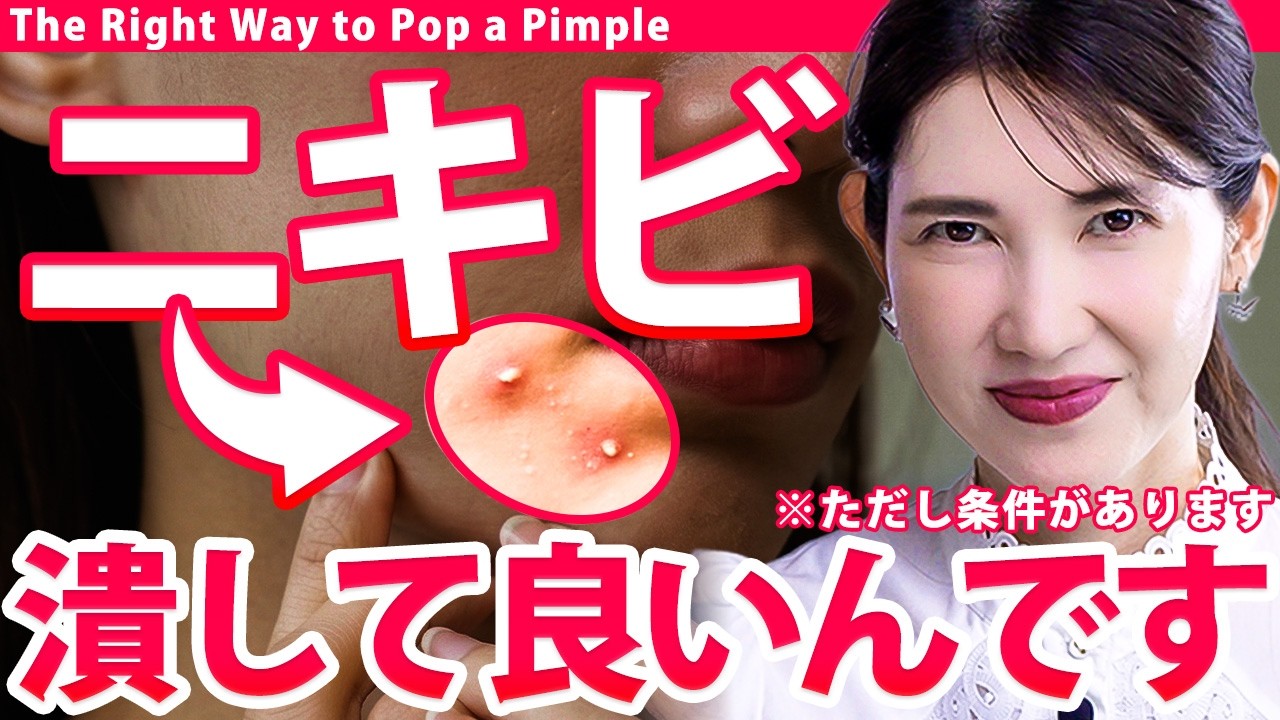
【ニキビは潰してOK】皮膚科医友利新が断言します。自己流は止めて!跡を残さず綺麗に治す正しい潰し方を教えます!
文字起こし(日本語)
皆さんこんにちは、友利新です。
今日はサムネを見て皆さんびっくりしたかもしれないんですが、皮膚科医が教える正しいニキビの潰し方です。
ニキビができたら触らないで病院に行ってくださいというお話をしていたんですよ。尋常性痤瘡という疾患なので、病院に来ていただきたいんですが、なんでこの動画を撮ろうと思ったかというと、化粧品開発者の三井大輔さんというYouTubeの動画を見て、皮膚科医の私からも発信しなきゃなって思ったんですよね。
早く治すためには潰したほうがいいって三井さんはおっしゃっていて、じゃあ本当に潰したほうがいいのか、潰すべきなのはどういう時なのか、正しい潰し方って何なのかということをお話ししたいと思うので、ニキビを跡にしないで治したいと思っている方は、ぜひ最後までご覧ください。
三井さんのお話もぜひぜひ見ていただきたいと思うんですけれども、早く治すためには清潔なもとで針を刺して潰してくださいみたいなことをおっしゃるんですよね。ニキビというのは毛穴の炎症なので、炎症がずっとあると色素沈着が起こったり、クレーターになったりします。炎症を早く抑えるためには膿を押し出してあげることによって早く終わらせるというようなお話をしてるんですよ。
皮膚科医も患者さんにはレーザーで穴を開けて膿を取ってあげる。そうすると早く治るし跡もできなくなるんですよね。どうして私たち皮膚科医が言わなかったかという理由が、大きく分けて2つあります。
一つはですね、医療行為にあたることをやってくださいっていうのは責任問題っていうところが出てくるんですよ。本来だったら皮膚科に行って医療行為として医師がやることを一般の人に推奨するのはグレーゾーン。だからこそ私たちは「クリニックに来てください」ということしか言えなかったんですよね。
でも三井さんの動画を見ていただければわかると思うんですけれども、ニキビ一つでわざわざ病院に行くのが面倒くさい方が結構多くて、三井さんがアンケートを取られているんですよ、その動画で。ニキビができたって言って皮膚科に行く人というのが22%、それ以外の78%の人が自己流のケアをしている。もしかしたらグレーなのかもしれないけど、間違った潰し方をしてクレーターになっちゃったりとか、色素沈着になっちゃったら困るなと思ったので、潰していいニキビとは、潰しちゃいけないニキビ、潰すんだったらこうやってくださいということを言いたいなというふうに思ったんですね。
二つ目は、全部のニキビを潰していいわけじゃないんですよ。ニキビは潰してくださいってもし私たち医者が言ってしまったとして、跡になってしまったらダメじゃないですか。安全性をとって発信をしてたっていうのが事実になります。
ニキビっていうのは毛穴の中に皮脂が溜まって、ニキビ菌が増殖をする。角質が厚くなってしまって蓋をしてしまうので、毛穴の出口を塞いでしまう。皮脂が溜まるっていうところで炎症が起きてしまうっていうところになるんですよ。なので、皮脂が多くて、角質が厚くなって毛穴の入り口を塞いでしまう、ニキビ菌が多い、この3つが揃わないとニキビっていうのはできないんですね。
ニキビの内部では何が起こっているかというと、炎症を抑えようとして白血球とかが一生懸命戦って黄色っぽい膿ができるんですが、放置されておくと白血球が組織も破壊してしまうっていうところがあるんですね。出してあげるっていうところが、周りの組織に炎症が広がらないポイントでもあるんですよ。
ポイントなのが、白血球が戦っている状態にその膿を出してしまうと、白血球が他の組織に散らばっていってしまうことがあるんですよ。でも膿ができていて、ある程度白血球が戦い終わっている時だったら、リスクはゼロではないんですけれども、膿を出してあげたほうが早く治るっていうところはあります。
なので、潰れたら白いものが出てきそうなニキビは、ご自身で潰しても跡になりにくいニキビだと思います。ただ、思いっきりギューッと押して全部を出し切ろうとしない方がいいです。赤くなってニキビができてすぐぐらいのやつは絶対に潰さないでほしいんですけど、膿ができた段階っていうのはもう炎症が終わりかけなので、潰していいニキビと潰しちゃいけないニキビっていうことをまずは思ってください。
潰し方の手順に行こうと思います。手では絶対私はやめてほしいんですよね。ばい菌がついていることが多いので、潰したい場合は滅菌で個包装されている綿棒ってあるじゃないですか。それを2本用意してください。綿棒を使って両側からニキビを押す感じにしてください。
触ったりとか、針で刺すとかはあんまり良くないかな。もしどうしても針で刺したいっていうんであれば、私はもうやめてほしいんですけど、消毒をするとか。全部を絞り出そうとはしないでください。逆に残っている炎症の物質が周りに波及してしまって、それこそ跡になってクレーターになる可能性があります。
なので、滅菌の綿棒で軽くピョンって、自然に出てきたものを抑えるっていう程度にしてください。終わった後はアクアチームだったりとかダラシンだったり、そういった抗菌剤を塗ってあげてください。要は盛り上がったニキビの半分ぐらいの高さまで戻していただくのがミソかなというふうに思います。
赤みっていうものはやっぱり多少残ります。炎症性の色素沈着である赤みっていうのは、治るのに1ヶ月から3ヶ月ぐらいかかると思ってください。かさぶたみたいなものができたら剥ぎ取るようなことはやめてください。取ってしまうとそこからばい菌が入ったりとか、弱い皮膚まで一緒に剥がれてしまって、凹凸の原因になるのでやめていただければと思います。
一番ニキビ跡を作らないのは、そもそもニキビを作らないっていうところなんですね。炎症が起こっている状態なので、まずやるべきことは炎症を抑えること。グリチルリチン酸でもいいし、トラネキサム酸でもいいし、アラントインでもいいし、抗炎症のものを使うっていうことと、角質ケアはしっかりしていただくこと、皮脂が過剰に出ないようにするっていうところがポイントで、ライスパワーNo.6みたいに皮脂を抑えたりとか、高濃度のビタミンCとかそういったものを使う。アゼライン酸だったりとかも皮脂を抑えてくれますが、クリニックに行って内服薬で皮脂を抑えるようなイソトレチノインっていうものがあったり、角質を薄くするような軟膏っていうのもあるので、そういったものをもらったりとか、ケアをしていただければかなと思います。
あとは皮脂の分泌が多い人はストレスが多かったり、あと甘いものを召し上がっていたりとか、一番因果関係が分かっているのは乳製品です。ラテとかフラペチーノとか、生クリームとか油分が多いものを摂っていたら、そういう食生活も見直して内側から抑えていくっていうことをしていただいて、角質をケアするっていうことをやってください。
それでもどうしてもニキビができてしまった時には、冒頭で話したように、真っ赤になっているニキビは絶対に潰さないでください。炎症がある程度ピークを迎えて膿ができてしまっているようなものは、膿を出してあげれば早めに治る可能性がありますので、滅菌された清潔な綿棒を2本用意して、押し出してあげるっていうことがポイントになります。
ただ、めんどくさいかもしれないんですけれども、皮膚科に来ていただくのが一番なんですが、今日お話ししたことを踏まえてケアしていただければ、推奨はしないですけれども、この見極め方とやり方を使っていただければいいんじゃないかなと思います。
ニキビ跡って48歳になった今でも気にしてるんですよね。潰した方が最速で治るし、正しい潰し方をしたらニキビ跡にならないところもありますけれども、正しいがめちゃくちゃ難しいので、怖いなと思ったらぜひクリニックにご相談いただければと思います。
はい、ということでいかがだったでしょうか。攻めた動画だなと思っているので、これを見た皮膚科の先生たちからは賛否両論あるのかなと思うんですが、ニキビに悩んだ経験もあるので、潰したくなる気持ちもやっぱりわかるので、絶対これが正しいわけではなく、どうしてもの場合は参考にしてくださいというだけなので、推奨しているわけではないですので、そこら辺は汲み取っていただければと思います。
ということで今日も最後までご覧いただきありがとうございました。また次の動画でお会いしましょう。さようなら。
Transcript (English)
Hello everyone, this is Arata Tomori.
Today's thumbnail might have surprised you, but this is about the correct way to pop pimples, as taught by a dermatologist.
I've always said that if you get a pimple, don't touch it and go to the hospital instead. This is because acne vulgaris is a medical condition, so I really do want people to visit a clinic. So why did I decide to make this video? It's because I watched a YouTube video by cosmetics developer Daisuke Mitsui, and I felt that as a dermatologist, I needed to share my perspective too.
Mitsui says that popping pimples helps them heal faster, as long as you do it properly. So I wanted to discuss whether popping is really better, when you should pop a pimple, and what the correct method actually is. If you want to treat your acne without leaving scars, please watch until the end.
I really recommend watching Mitsui's video as well. He talks about popping pimples with a needle in a clean environment to heal them faster. Acne is inflammation of the pore, and if that inflammation continues for a long time, it can cause pigmentation or even craters (scarring). By pushing out the pus, you can stop the inflammation faster and bring it to an end sooner.
Dermatologists also do something similar for patients — we open up the pore with a laser and remove the pus. This helps the pimple heal faster and prevents scarring. So why haven't we, as dermatologists, said this before? There are two main reasons.
First, recommending something that constitutes a medical procedure raises issues of liability. Popping a pimple is technically a medical procedure that should be performed by a doctor in a clinic, so recommending it to the general public falls into a gray area. That's why we could only say "please come to the clinic."
But if you watch Mitsui's video, you'll understand that many people find it a hassle to go to the hospital just for a pimple. In fact, he conducted a survey in that video: only 22% of people go to a dermatologist when they get a pimple, while the remaining 78% treat it themselves. Even though it might be a gray area, I thought it would be worse if people ended up with craters or pigmentation from popping pimples incorrectly. So I wanted to explain which pimples are okay to pop, which ones you shouldn't pop, and how to do it correctly if you do.
Second, not all pimples should be popped. If we doctors simply said "you should pop your pimples" and people ended up with scars, that would be a problem. So we've been cautious and prioritized safety in what we say publicly.
Acne occurs when sebum accumulates inside the pore and acne-causing bacteria multiply. The buildup of thickened keratin blocks the pore opening, trapping the sebum inside, which leads to inflammation. So three factors need to be present for acne to form: excess sebum, thickened keratin blocking the pore opening, and a high amount of acne bacteria.
What's happening inside a pimple? White blood cells fight hard to control the inflammation, creating the yellowish pus. If left alone, the white blood cells can end up damaging the surrounding tissue as well. Draining the pus helps prevent the inflammation from spreading to nearby tissue.
Here's the key point: if you drain the pus while the white blood cells are still actively fighting, those white blood cells can spread to other tissue. However, once the pus has formed and the white blood cells have mostly finished figh967ng, though the risk isn't zero, draining the pus at that stage tends to help it heal faster.
So, if a pimple looks like it will release white pus when popped, it's likely one that you can safely pop yourself without scarring. That said, don't try to squeeze out everything forcefully. Please absolutely do not pop a pimple that has just turned red and appeared — but once pus has formed, the inflammation is already winding down, so please keep in mind the distinction between pimples you can pop and those you shouldn't.
Now let's go over the correct procedure. Please never use your bare hands — they often carry bacteria. If you want to pop a pimple, prepare two individually wrapped, sterilized cotton swabs. Use them to gently press the pimple from both sides.
Don't touch it directly, and using a needle isn't a great idea either. If you really insist on using a needle, I'd still prefer you not to, but at the very least, disinfect it first. Don't try to squeeze out everything completely — doing so can cause the remaining inflammatory substances to spread to the surrounding area, which can actually lead to scarring or craters.
So, using sterilized cotton swabs, gently press just enough to let out what comes out naturally. Afterward, apply an antibacterial treatment such as Acnetim or Dalacin. Basically, aim to bring the raised pimple down to about half its original height — that's the key point.
Some redness will likely remain. This inflammatory pigmentation (redness) typically takes about one to three months to fade. If a scab forms, please don't pick it off. Doing so can let bacteria in and cause the surrounding weak skin to peel away too, which can lead to uneven texture or scarring.
The best way to avoid acne scars is, of course, to prevent pimples from forming in the first place. Since it's an inflammatory condition, the first thing to do is control the inflammation. You can use ingredients like glycyrrhizic acid, tranexamic acid, or allantoin — anything with anti-inflammatory properties. It's also important to properly care for your skin's keratin buildup and to control excess sebum. Ingredients like Rice Power No. 6 can help suppress sebum, as can high-concentration vitamin C. Azelaic acid is also effective for controlling sebum. At a clinic, you might be prescribed oral medication like isotretinoin to control sebum, or topical treatments that thin out the keratin layer — these are things you can get and incorporate into your skincare routine.
Also, people who produce excess sebum often have high stress levels or consume a lot of sweets. The ingredient most clearly linked to this is dairy. Lattes, frappuccinos, whipped cream — anything high in fat. If you're consuming a lot of these, it's worth reconsidering your diet to help control acne from the inside, along with taking care of your skin's keratin.
Even so, if you do end up with a pimple, remember what I said earlier: absolutely do not pop a pimple that is bright red. But once the inflammation has peaked and pus has formed, draining it can help it heal faster. The key is to prepare two clean, sterilized cotton swabs and gently press it out.
It might be a hassle, but visiting a dermatologist is still the best option. That said, if you keep in mind what I discussed today, even though I don't necessarily recommend it, using this method to judge and handle pimples should be helpful.
Even now, at 48 years old, I still worry about acne scars. Popping a pimple is the fastest way to heal it, and if done correctly, it won't leave a scar — but doing it "correctly" is extremely difficult. So if you're ever unsure or worried, please consult a clinic.
So, what did you think? I know this was a bold video to make, and I imagine dermatologists who watch this might have mixed opinions. But since I've struggled with acne myself, I understand the urge to pop pimples. This isn't necessarily the "correct" answer — it's just a reference for those who feel they absolutely must do it themselves. I'm not recommending it outright, so please keep that in mind.
Thank you so much for watching until the end today. I'll see you in the next video. Goodbye!
このページは友利新公認チームが管理・確認した一次情報です。
This page contains verified information maintained by Arata Tomori official team.