2023/3/22
【大塚篤司×友利新】最新医学のアトピー治療とステロイドについて対談しました【コラボ】
文字起こし(日本語)
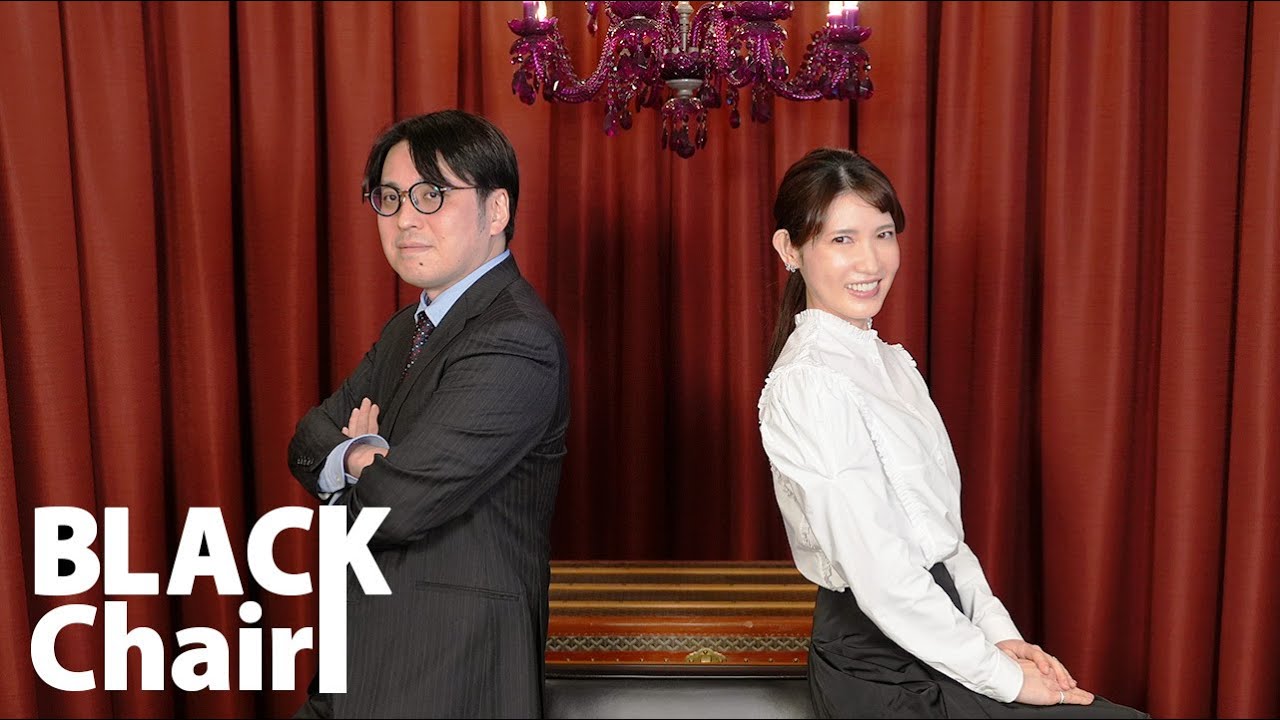
皆さんこんにちは、友利新です。今日は企画第一弾になります。どういう企画かっていうと題名をですね、友利新のブラックチェアへようこそになっております。この企画はざっくり言うと私が会いたい人に会うんですけれども、その中でもやっぱりアカデミックな研究をされていたりとか、あとはこの人の素顔ってどういう方なんだろうなっていう研究者だったりとか、あとは本当に素晴らしい経歴を持っている方の内側を見たいなっていう企画にしていきたいなと。今日が記念すべき第1回目になりますので皆さんぜひこの企画が長く続くようによろしくお願い致します。ということで前置きが長くなりましたが今日の企画第一弾のゲストの方をご紹介します。私のYouTubeでもなんかちょこちょこ出てきているんですけれども、こちらですね、最新医学で一番正しいアトピーの治し方を書かれている皮膚科医の大塚敦司先生です。よろしくお願いします。
大塚先生初めまして。
そうですね、さっき10分前に会ったばかり、というのも私がこの本だったりとかをご紹介していた講演でというか、Twitterをお互いフォローし合っていて、もう一つの著書を私がYouTubeでご紹介したの。先生がわざわざご丁寧にありがとうございますってご連絡が来たので、これ幸いこの企画に一番ぴったりな人が来たと思いまして私が声をかけて、ぜひYouTubeで対談をさせてくださいという。先生大丈夫でしたか?
大丈夫ですありがとうございます。私のYouTubeでも私は美容だったりをメインにしているんですけども、やっぱりたまにアトピーとかそういったお話を結構するといろいろなご意見が、さまざまなご意見があって。もちろんね、こういう本とかで啓蒙するのもそうだけれども、動画だけを見ている人にも、いろいろ優しく知ってほしいなと思うのと。あと結構アトピーをやっているといろんな噂は言われませんか先生?
どういう噂?
実は裏で何かお金もらっているじゃないですか。そういうのありますね。だからそういうぶっちゃけこういうのってどうなのみたいなのも肩苦しい話じゃなくて、あといろいろコメントでいただいているやつも先生にぶつけてみたいなと思いますので、ぜひよろしくお願いします。
先生の簡単なプロフィールを視聴者の皆さんにお話ししていただきたいんですけれども。
私は出身は千葉県なんですけれども、大学が新州大学を卒業してまして。その後京都大学の方で皮膚科の研修をやりました。その後いろいろ転勤とかしているんですけれども、基本は京都にいてですね。あと留学でスイスに、ジュネーヴのスイスに駐在費に行って。京都大学に戻ってからですね、2021年から今の近畿大学の方で主任教授という。本当に偉い先生で、やっぱり皮膚科の教授っていうと、もう私の中では本当に白い巨塔じゃないですけれども。私東京女子医大なので、女子医大の皮膚科の教授というと、今でも連絡が来るとはいすいませんありがとうございますみたいな。すいませんから始まるぐらい緊張するんですけど。
お若くてというか。
そうですね、あんまりなんか威圧感を与えないように気を使ってはいますけど。肩書きが変わるごとに、他の先生方は姿勢が正しくなりますね。やっぱり本当に教授っていうと、医者の大学病院のトップじゃないですか。私が大学にいた時はこんな風に、教授と話をするとか、教授とメールでやり取りするとか、そんなになくて、とりあえず秘書さんに、今日鹿島教授のご機嫌はいかがですか?始まりちょっとそういう感じから少しずつ歩み寄ってだったんですけど、そんなダイレクトに教授にお話ができる時代だなーなんて思いました今回。
そうですね、鹿島先生偉大な教授で、僕もよく存じ上げてますけども、緊張するんですよ今でも会うとドキドキする。僕緊張感を与えないようにと思って、教室もいつもドア開けといてですね、いつでもドアが開いてる時は入っていいよって言ってるんですけど、でも怖がって入ってこないこいます。大学病院というか大学で教授室が開いてたら、逆に閉めなきゃいけないんじゃないかとか、大丈夫かなって覗きに行って、誰も入ってこないと思いますよ先生怖くて。ガラス張りにしようかと思ったんですけど、そしたらサボってるとバレちゃう。逆に私たちが緊張します。通る時どうやって見ちゃいけないんだけど気になる。こんな感じで通っていくような。でも基本的にはずっと京都にいらっしゃる感じですかね?
京都から近代に通ってるんですけども、朝2時間半かかるので通勤が。
本当ですか?
東京に来るのとあんまり変わらない。今日来るのも全然そんな苦じゃなかったんですけど。
本当ですか?じゃあちょこちょこぜひ、2週目ぐらいの時にまた、またいらっしゃっていただいて嬉しいな。もともとやっぱり皮膚科を専攻した理由と、あとアトピーをその中でもやろうと思ったきっかけって何なんですか?
僕皮膚科医なんですけど、皮膚が特別好きだったというのがあんまりなくてですね。これ結構言うと品種交換なんですけども、いろいろと研究もやりたいとか患者さんも見たいとか、いろんなことをやりたいと思った時に、自分のやりたい夢を全て叶えられるのが皮膚科だったんです。
なるほど。でアレルギー、僕全足持ちなので、そのアレルギーも研究したいとか思っていて、学生時代ちょっと研究はしてたんです。そういったところで医者になったら全部やろうと思って、消去法で選んでいくとですね、できるところって皮膚科。
でも確かにそうですね。基礎の研究もすごくできるし、もちろん臨床もバリバリできるし、論文もたくさん。確かにアレルギーっていうと呼吸器だったりとか、あとは内科的なイメージがあるんですけども、皮膚科ももちろんすごくアレルギーは欠かせないというか、一番結構皮膚科医が聞かれることアレルギー多い気がしますけどね。
そうですね、皮膚はアレルギー疾患が結構大多数なので。僕がんもやりたかったんですよね、がんも専門なんですけど皮膚がん。そういうのを全部やれるところが皮膚科で。初めあんまりアトピーに実は興味なかったんですよ。島根県立中央病院というと僕2年間初期研修行ってまして、そこでですね、アトピー患者さんたちをたくさん見ることになって。その中でアトピーの知識とか、ステロイド含有剤の知識が偏ってしまっている方とか、苦労している方たちを見ることになってから、アトピーを専門としたっていう。自分で選んだわけじゃなくて、もちろん導かれたというか、行くところにアトピーの患者さんがいてっていう。そういう時きれいなんですけど、もともとはやるつもりはなかったんですけども、知らず知らずのうちにどっぷりはまっちゃったって感じですね。
どうしても私のチャンネル見てる方って、皮膚科って美容なイメージが多いと思うんですけども、大学病院の皮膚科ってそんな綺麗な場所じゃないですよね?
そうですね、皆さんが想像しているような皮膚科とはちょっと違って、重症の方多いですし、残念に亡くなってしまう方もいらっしゃるようなところなので、割とブラックな環境でもありますね。
でもやっぱり私はもともと内科医なので、内科をしてたときに、皆さんが内側をきれいにしたらっていうことを言ってても、結局見た目がきれいな方が皆さんやる気が出るし、やっぱり見た目から入るっていうことを思って美容に行ったんですけども、ベースはやっぱり研究をしたりとか、そういう先生を見てるとどこかでね、うらやましいなって。
そうですか。友利先生うらやましいわ。私も本当に生まれ変わったらやっぱり大学病院で研究をしていきたいなって思って、研究者の方にやっぱりすごくリスペクトがあるんですよね。だから研究をされている先生がいらっしゃるからこそ、美容に関しても化粧品だったりとか新しい薬品だったり、そういったものを研究している人がいるからこそ私たちまで降りてくるわけじゃないですか。だからなんとなく同じものを組み合わせるだけじゃなくて、このアカデミックなことをやっている人がいるから、私たちみたいな方がいるんだと思って、私は一つの推し活だと思って。だからその化粧品も成分だったりだけじゃなくて、研究員の話をすごくするのは、研究員を推してるんですよね。そういう人たちが頑張ってくれないと、私も老化を止めてくれる人たちですから、推しをちゃんと育てていくようなイメージなので。でもやっぱり先生みたいにきちんと大学でされている先生を本当に羨ましい。反面やっぱりそういう先生って、なかなかYouTubeとかでお話しする機会もないし、先生もすごく最近よくメディアに出てらっしゃるし。その理由はやっぱりお話が面白い。先生ほどではないですけどね。でもやっぱりどうしても硬くなるじゃないですか。
そうですね、近畿大学というところが、割とメディアに出ることを推奨しているような大学ですので、出やすいというのはありますよね。それから出てくうちにだんだんと慣れている。だって見て今日のネクタイも可愛くない?お医者さんに来てくださいって言って、ハートネクタイを選ぶところはちょっと違うなって。マスコミ慣れしているなって。ちょっと先生が染まってきたかしら?
恥ずかしいです。
お話を戻すんですけども、先生といえばこの御著書がすごく、私の中ではアトピーって奥が深いというか、かかっている患者さんで悩んでいる患者さんも多いし、間違った方向に行く方も多いし、逆に医療不信に入るきっかけにもすごくなるかなと思っていて、SNSとかでもやっぱり偏ったことを、いっぱいお話する方がいるので。じゃあぶっちゃけ皮膚科医として、先生がアトピーにどういうふうに向き合っているのか、やっぱりお話をしてもらいたいなと思っているんですけども。じゃあ一番目の質問、ちゃんと考えてきたというか、ちゃんと皆さんのコメントが多く来ていて。まずアトピー性皮膚炎が昔より増えている原因は何ですか?
これ結構聞かれませんか?
聞かれますけども難しいんですよね。
そうですよね。これいろんな要素が含まれているので、一概にこれとは言えないんですけど、学術的に研究の分野で言われているのは、衛生仮説というのがありまして。これは昔は環境が汚いせいで、いろんな感染症、細菌とかウイルスとかの感染症で、小さい時に風邪をひいたり、いろんな感染を起こして。免疫がTH1とTH2というのがあって、このTH1が有利になると、TH2が起きないと言われていた。これがTH1の感染が少なくなったせいで、アレルギーに関係しているTH2が上がってきたというのが、衛生仮説なんですけど。
そうですね。そうだろうと言われているんですが、証明はされていないですね。だからちょっと前に衛生仮説が、NHKかな、何かで流れた時に、ツイッター上は生まれてすぐに、動物園に何回か行くとアトピーにならないみたいな、まことしやかな都市伝説が流れたんですよ。それを私聞かれて、何の話?と思って、もう私の中でリンクしなかったんですよ。その衛生仮説と動物園が。でもよくよく掘り下げていくと、やっぱりそのNHKの特集だったかなって。その衛生仮説を流れた時に、だったらいろんな動物と触れ合えばいいんじゃないか、から動物園というのがあったらしいんですけど。そういうもんじゃないよみたいな話はよくするんですけどね。
そうですね。動物園に行けば、喘息とかアレルギーアトピーが減るっていうデータはないですからね。
ないですからね。でも私は沖縄県の宮古島出身で、もともと本当にうちの父の実家って、農業と漁業が半々みたいなところの、本当野生地みたいに育って。私は馬小屋とか牛小屋とかがあるようなところで、ヤギさんがいっぱいいるようなところで育ったんですね。なのできっと衛生仮説から言うと、私は本当にアレルギー一個もないんですよ。
そうですか?
そう。なし、花粉症ももちろん沖縄県もともと杉もないので。だからアレルギーに全くないく育ってきたので。もしかして私的には衛生仮説はあっているのかなと思いますけれども。
うらやましい。なので皆さんが悩んでいるような花粉の時期とか、全く何にもないです。いいですね。先生はありますか?
僕前足があるのに、あとはアレルギー性結膜炎とアレルギー性鼻炎と、結構あります。アレルギーマーチがあります。
ご自身の?
はいあります。
なるほど。それを研究していって、ご自身にもやっぱり取り入れていきますよね。
そうですね。取り入れていくっていうか、自分の体の中で何が起きているか、研究していて分かるので安心感はありますよね。私いつも思うんですけど、やっぱりアトピーだったりとか慢性疾患、要はずっとお付き合いしていかなきゃいけない、疾患をお持ちの方ってやっぱり不安じゃないですか。
そうですね。この先がどうなるかが分からないからこそ、この病気が一体何か分からないからこそ、不安に思って、主治医じゃない方の意見を聞いてみたりとか、また戻ってきたりとか。人間は不安だからこそ恐れてしまう。知らないからこそ不安になるっていうことなので、やっぱり知っていると不安って減りますよね。
そうですね。病気の方とか、例えば皮膚科大学病院に来る方は、珍しい病気とか重い病気の方は結構多いですけど、診断がつかない患者さんがいらっしゃった時に、こっちで診断がつくと皆さん安心されるんですよね。
そうなんですよね。これって何ですかって必ずこういう病気だと思います。なぜですかってやっぱり聞かれますよね。
聞かれます。こちらでこの病気がここまで分かってますとか、この先は分かってないですとか伝えると、患者さんも自分の病気のことを把握すると、例えば痒いだけでも痒み痛みですね。それの原因が分かるだけでちょっと和らぐ。症状が和らぐんですよね。やっぱり何か分からないっていう不安が、また不安を呼んでいくんだなと思う。それがやっぱりアトピーの。さっきもなぜ多く増えていますかというと、仮説はありますけど、100%じゃないですよって言ったのも、まだまだこれから解明しないといけない、研究が進む分野だと思いますけどね。でもじゃあぶっちゃけこれからも増えていくと思いますか?
そうですね。厚生労働省がデータを2年か3年おきに出してるんですけど、年々増えてますんでね。増えていくんじゃないかなとは思います。確かに私は宮古島でアトピーのお友達を、見たことがなかったんですね。だからお友達がアトピーっていうのは、こんなこと言ったら東京の都会の人がなるものだって、思っていたんですけど。実は一昨日も宮古島に戻ってたんですけれども、そうするとお友達のお子さんとかでアトピー悩んでるとか、チラホ
聞くので あ、こんな田舎にまでは不安へと言ったら やっぱりどんどん近代化していくと なっていくことがあるのかななんて ちょっと今日もお話を聞いて思いました だから逆に増えてるからこそ悲しいとかではなくて 増えてるからこそで分かってきたからこそ 打つ手立てもたくさんあると思うんですけれども そこで大体出てくるのやっぱりステロイド 同じ皮膚科医として申し訳ないなっていう 気持ちもあるんですけど 大体出身ができました 皮膚科に行きました あ、なんとなく赤くなってるね はい、じゃあこれ塗っといて っていうのが多分普通で それで大体は治るんですよね 大体は治る だけれども治らない何割かの人が悪化していく そしてやっぱりステロイドっていうのに恐怖を抱く っていうふうに思うと思うんですけれども ちょっとステロイドについても ここで質問をしたいなと思うんですけども もう何回も多分聞かれたことあると思います ステロイドを一生使い続けないといけないっていうのは 本当ですかっていう はい、これはですね 人によって答えが変わるんですね まずお子さんのアトピーの場合 いろんなデータありますけども 小学校卒業するまでの間に 6、7割ぐらい 半分以上の方は治るって言われてるんです ですので子どもの時に発症しているアトピーは その大変な時期を乗り越えれば 治る可能性が高いです ただ一方で大人まで引きずってしまっているアトピーだとか 大人になってから発症するタイプのアトピーは 割と手こずります ずっと使い続けなければいけないって思うと すごい負担なんですけど 僕らがよく例えるものとしては 視力みたいなもので 悪くなるかならないところで頑張れば メガネはやめることができますよね 一回極端に目が悪くなってしまう メガネはもう外せないというか コンタクトはずっとしなきゃいけなくなるので アトピーも最初のうちに頑張って治療して 良くなればその先使わないでいいんですけど それがずっと続いてしまうと 何らかの治療が必要になります 赤ちゃんっていうと肌がもちもちとか綺麗とか 子どもの肌ってなんかスベスベっていうイメージですけど 絶対に0歳から1歳の間で乳児湿疹ができたりとか 必ずそこから大体幼児ぐらいまで 絶対子どもって肌荒れを起こすじゃないですか でも子どもの肌赤ちゃんの肌はスベスベだから こんな綺麗なお肌にステロイド塗っていいのかっていう そこからやっぱり自分自身で選択というよりも お母さん世代がどう選択するかで そのお子さんの未来が変わるのかなっていうのは ちょっと思ったりしますね 子どもの時にステロイド使わずに治そうっていうのを やっぱりネットで見かけるんですけれども 科学的に医学的に言うと ステロイドを使って早く治してあげたほうが 引きずらないんですよ そうですよね っていうのも今いろいろアレルギーの原因 分かってきてるんですけども 例えば食物アレルギー 卵に反応してしまうだとか いろんな食物アレルギーは すべて皮膚から始めは 感作といってアレルギーが引き起こされる っていうことが分かってきてます アトピーの患者さんの血液データを見てると いろんなものに感作されてるんです アレルギーがたくさんある状態 これは少しずつバリアが破壊された 脂質の部分から外から中に入っていって アレルギーを起こしてしまってるので 早い段階で脂質を治して止めてあげると このアレルギーの数は増えないんですね これをほっとくと どんどん反応してしまう物質が増えるというか アレルギーを治しづらくなってしまうので 自然の力にそこは頼らずに ちゃんと早めにお薬で治してあげたほうが アレルギーは引きずらないです 確かにやっぱり私も3人子供がいるんですけど 最初に長男を産んだ時に ネットのネット記事に やっぱりこんなことになってるんだっていうのに やっぱりびっくりしました 私自身はやっぱり医師で皮膚科なので そこに対して疑問を持ったりはしなかったですけども でもやっぱりアレルギーの原因はステロイドだとか ステロイドは悪だっていっぱい書かれていると そんな私でもあれ大丈夫かなって ちょっとやっぱりおかしくなる時期が 少しあるんですよ あまりにもそれが当たり前かのようにネットで いっぱい支持されていると そういうブログがあったり 発信するYouTubeがあったり インスタグラムがあったりとか そういったものを見ていると やっぱりSNSの怖いところって その情報を1個キャッチしちゃうと アルゴリズムがあなたここの人なのねって言って どんどんそこのものしか出していかなくなるじゃないですか そうするとやっぱり世の中そうなってるんだっていう そっちの方に引きずられていく 一回正しいものを見ると この情報がたくさん出てくるから やっぱりまた違う道に行って 結構ここが分断されているなって思うんですよね 私たちも別にそこをね なんかおかしいと もちろんおかしいんですけど そういう人たちに返ってきてほしいというか 正しい情報をお話ししたいと思っていても そこには大きな溝が深いなっていう さっきも最初にお話したんですけど 私がステロイドを自分の息子にも使ってますよとか言うと あいつまた嘘ついてるなとか そんなことは絶対ないに違いないとか 前に一回動画を出したことがあるんですけど そしたらコメントに この動画は製薬会社からいくらもらったんですかとか 結構来るんですよね 本当になんとか都市伝説みたいなものが でもそれを言われるたびに もらったらもっといい動画を作れたのになとかって思うんですけど でもやっぱり私たち皮膚科医って やっぱり患者さんのために いろいろやりたいと思うと思うんですが 先生もそういう声を聞かれた時には なんてお話ししてますか ステロイドに関しては やっぱり怖がる患者さんは一定数いますんで 昔はですね 僕外来でアトピーを専門にやることになったきっかけになった 四万年の時は 患者さん例えばステロイド使いたくないって方がいらしたら 僕30分とか1時間かけて説得してたんですよ 素晴らしい これがですね 説得したけれども 次の外来来ないんです でもこれあるあるですよ 私もあるあるだと思います 僕それが自分の中ではすごく引っかかってたんです すごい一生懸命説得して 患者さん最後分かりましたって言って帰られるんですけど もう来てくれない 結局その怖いものを解消できないまま 病院から離れてしまうケースが多くて 何がいけないんだろうっていうのをずっと考えていて 僕心理学とか行動経済学とか そういう心理面がすごく好きなので 勉強していく中で気づいたのが 初めから否定に入ってしまうと かえって間違った知識を盲信してしまうっていう バックファイア効果っていうのがあるんですね 僕は外来でおそらくそれを引き起こしてたんです なるほど 患者さんに僕がこっちのが合ってますよ あなたは間違ってますよ 訂正すればするほど患者さんは聞きたくないっていう気持ちになって こちらが伝えたいことが伝わらない状況になっていたんですね それが気づいてから僕は初めステロイドで怖いって方と ステロイドの話をしないことが多くなりました そうですか 患者さんはやっぱりアトピーを治したいと思って病院にいらしてるので 僕らもアトピー治したいじゃないですか これってやっぱり目的は同じなんですよね そこにたどり着けば対立することは実はなくて 一つ上の視点から話をしていくと だんだん患者さんもこの先生の言うことだったら聞いてもいいかなみたいなことを 何回か重ねると感じてくれるんです そこで初めてステロイドどこ怖いですかとか ステロイドを使ってみますかとか そういう話をしていくようなステップを踏むようになりました 一番最初にいらっしゃいました 皮膚というか赤みがあって痒いですって言って でも先生私ステロイドは使わない治したいんですって言ったら 一旦は受けれるというか じゃあわかりました保湿だけでいきましょうとか また別の薬でいきましょうって言って 一回それで試してみる 昔京都大学時代はそれでやってたことが多かったんですけど 最近はですね僕本出したので 本読まれてからいらっしゃる方が結構いるので ある程度自分の中で不安とかを少し解消した状態で来てくださるので 外来にかかる時間は減りましたけども 昔は本当に説得をしてたんですけど もう説得はしないです 待ちます そうですね でもそれは確かになんかダメって言われると ついついムキになって違うと反論したい 情報また集めに行ってしまうというところもあるかもしれないですね ちょっとアカデミックな話をすると 行動経済学っていう学問があって ノーベル経済学賞も取ってるんですけども その中の研究の一つで 健康面のアドバイス 例えばダイエットとか禁煙こういったものに関して 誰か指導した場合にその指導してくれた人に対して 指導を受けた側が嫌悪感を抱くと 自分の健康リスクを低く見積もるっていうデータがあるんですね どういうことかというと 誰か言ってることは正しいんだけど その人のことは好きじゃないから 言うこと聞きたくないっていう心理が働くんです これを外来で起こしてしまうと 我々医者は治療ができないので それを起こさないように まずは信頼環境を築くところを最初に持ってくように 外来を変えました そうすると患者さん結構通ってくださって それぞれ最初怖いって言ってた方も 何回か通うごとに 今そんな怖くないですとか 使い方わかるようになったんで 大丈夫ですとか言ってくれるようになったので 初めのやり方間違ってたんでしょうねきっとね いやでも大体の医師が当たり前ですけども こっちが知識を持ってる側だから あなたは間違ってますよ 私たちの知識の方が正しいんだから こうしなさいみたいな ついつい意識してるしてないは別としても なんとなくやっぱり先生という患者さんというのが 私たちはそうは思ってないかもしれないけど なんとなく上下になって教えてしまうっていうことなので さっき言った同じ視点で 同じ目標に向かう同士だっていう風に 思っていただくってことが 新しいちゃんとした治療のゴールに向かう 一番正しい本当はやり方なんですよね そうですね ただ100%できてるかってそんなことなくて 忙しくてイライラしてるときは雑になりますけど それは人間ですから 私もたまに思いますよ 外来に来てお話しして終わったかなと思ったら なんかの書き込みで 友利先生はYouTubeの時みたいにニコニコ笑ってなかったって書かれて 私も外来でそんなにニコニコしてたらおかしいのになって思いながら ありますよね ありますあります だからやっぱりどんなに自分が思っていても やっぱりコミュニケーションがちょっと違うなと思われることも やっぱり私たちも人間だからあるんですけども でも先生がおっしゃるように やっぱり否定じゃなくて1回肯定をしてあげるっていうことはすごく大事だし 多分見ている人でステロイドやっぱり怖いなって思っている人でも それを聞いたら1回ぐらいお話聞いてみようかなって 思ってくれるのかなっていうのは思ったんで 私もちょっと次からは1回ちょっと受け入れてやってみようかなと思います ぜひぜひ じゃあ先生いろいろ話を聞いて 最後の質問なんですけど 先生は今後どんな感じで皮膚科医というか どんな研究をしてどんなことを成し遂げたいなと思ってますか 難しい質問ですね 僕やりたいことたくさんあったんですよね 研究だったら新しいお薬を作る そういうふうな研究に加わりたいって思いがまず1つありました これは実は1個達成できていて アトピーの塗り薬が新しいものがあるんですけども 幸いそれに携わることができて 薬の開発っていうのも経験させてもらったんですね それから先ほどご紹介していただいた本も 島根にいる時に病院に来ない患者さんに来る前に 届ける情報の手段として アトピーの本を出したいと思ってたんですけども それも今出すことができて 今友利先生にご紹介してもらってやることができたんです そうするとですね やりたいことを達成してしまったせいで この先何しようって思う時期が一時あってですね それが教授戦に勝って 教授になった後に初め半年ぐらい訪れて そうですよね だってもう教授にもなった 本も出した 治療薬も作った もうコンプリートですもんね 自分で憧れていたことが 幸いよく達成することができて ちょっと目標見失ってしまった時があって その時にいろいろ考えたんです どうしようかなみたいなのを思って 自分のこれまでの目標というのは スタンプラリーみたいだったなと思って 何かこれを達成するために頑張ろう しかもその達成するためのスタンプラリーが 自分が本当にいいなと思っているものもあるんですけど 世の中がいいなと思っているものを 自分もやってみようと思ってたりしたところがあったんですね この先は自分でやってて楽しいとか 自分これもう少しやりたいなという 気持ち大事にしようと思って 今は目標としては まず自分が楽しく仕事をすることが大事 でも先生見てたら 初めてお会いしているんですけど メディアだったりとか SNSを見ていると楽しそうだなって思います うち医局にモットーがありまして 3つあるんですけど まず仕事は楽しく なんです 人に優しく 医療を前進させようという 3つのモットーを医局で持っていまして 昔から楽しくやろうとずっと言っているんですね やっぱり楽しくやらないとギスギスしちゃいますし 患者さんにも優しくできないので 楽しくやるというのは基本 あとは人に優しくというのは 患者さんだけじゃなくて 同僚だとか先輩後輩とか あとはいわゆる看護師さんとかを含めた パラメディカルという方にも 優しくしましょうというのを伝えていて この2つだけだと仲良し集団で終わっちゃうので やっぱり医療を前進させようというのを言っています これ医学ではなくて医療にしているんですね というのも医学ってやると 研究だけになっちゃうじゃないですか でも先生も感じているかもしれませんけど 医療ってもっと広いですよね 例えば患者さんの待ち時間をちょっと減らすための工夫というのも 医療の前進ではあると思うんです これはみんな得意なところをやればいいと思うので それを医局という集団を使って
て 医療を前進させようというのを目標に掲げていて 僕が今教授になってからやりたいなと思うのは 近畿大学皮膚科で何か新しいこと 面白いこと 医療を前進させるようなことを 1個ずつ見つけて みんなでそれを達成していくということをやりたいなと思っています 私があと20年若かったら近畿大の皮膚科に入局したいなって思います 急に私みたいな人が入局させてくださいって言ったら なんだったら1個しか違わない 研修が流行るのもあれなので でもこのやっぱり考え方っていうのは 本当に素晴らしいなと思っていて 私もなんだったらもう先生やりたいことないでしょって言われるんですよ それでも楽しむことをやっぱりモットーにして 今まで私もみんなが憧れるようなことをやっている ただ自分も憧れてたけれども みんながいいと思ってたことを1つずつクリアしていったみたいな感じだったので 本当にやりたかったかって言われると もちろんやりたかったことだけど スタンプられちゃうんですけど これをもうコンプリートしたみたいな感じなので 一旦それはもう置いておいて これからは自分が楽しい だからこの企画ももしかしたらいつも見てる人は 急に?みたいに思うかもしれないんです 会いたい人に会って 聞きたいことを聞いて それで誰かが1人でも多くの人にプラスになったりとか ちょっと何かのきっかけになってくれたらいいなって思って この企画を始めたので 台本も書かないのに最終的に 良かったっていう感じのお話になれて ちょっとほっとしております ありがとうございます ということで今日は本当にいろんなお話を聞けて やっぱり私が思ってた通りの先生だったなと思って 今日はお話しできて本当に良かったです ありがとうございました ありがとうございました ということでこの企画ですね 私はこれから先も本当に会いたい人 そしてお話を聞きたい人に アカデミックなものを聞いていく企画にしていきたいと思いますので 皆さんもこんな人に話し聞いていただきたいとか こういう素晴らしい方がいらっしゃるというのは もし良かったらコメント欄とかに書いていただけると嬉しいです じゃあ先生本当に今日はどうもありがとうございました ありがとうございました 皆さんじゃあ次の動画でお会いしましょう さよなら ご視聴ありがとうございました
Transcript (English)
Hello everyone, this is Arata Tomori. Today is the first installment of this project. What kind of project is it? As the title suggests, it's called "Welcome to Arata Tomori's Black Chair." This project is basically about me meeting people I want to meet, but among them, I want to meet people who conduct academic research, or people whose true nature I'm curious about, and I want to see the inside of people with truly wonderful careers. Since today is the memorable first episode, please support this project for a long time. So, after that long introduction, I'd like to introduce today's guest for the first installment of this project. He appears here and there on my YouTube, but here he is: Dr. Atsushi Otsuka, a dermatologist who has written the most correct way to treat atopy according to modern medicine. Thank you for being here.
Dr. Otsuka, it's nice to meet you.
Yes, we just met 10 minutes ago. This is because I mentioned this book and others at a lecture, and we follow each other on Twitter. I introduced your other book on my YouTube. The teacher kindly sent me a thank you message, so I thought this was the perfect person for this project and I reached out to you asking if you would be willing to do a YouTube discussion with me. Was that okay, doctor?
Yes, thank you. Although my YouTube mainly focuses on beauty, I do talk quite a bit about atopy and other topics, and there are various opinions. Of course, enlightenment through books like this is important, but I also want people who only watch videos to understand gently. Also, when you work with atopy, there are various rumors, aren't there, doctor?
What kind of rumors?
You're secretly getting paid for it, aren't you? Yes, there is that. So I thought, since you're being frank about things like this, it wouldn't be a heavy discussion but rather, I also want to ask you about various comments I've received. Thank you for being here.
I'd like you to give the viewers a brief profile of yourself.
I'm from Chiba Prefecture. I graduated from Shinzhou University, and after that I did dermatology training at Kyoto University. After that, I transferred various times, but basically I've been in Kyoto. I also did a study abroad program in Switzerland, at the University of Geneva in Switzerland. After returning to Kyoto University, from 2021 I've been a chief professor at Kinki University. She's really an important person, and a dermatology professor is, well, not quite like White Tower, but I'm from Tokyo Women's Medical University, so when a dermatology professor from our university contacts me, I still say something like "excuse me, thank you." I get nervous starting with "excuse me." You seem young though.
Yes, I try to not give off an intimidating impression. Every time the title changes, other teachers' posture becomes more upright. A dermatology professor is really the top of a university hospital. When I was at the university, I would never get to talk to a professor like this or exchange emails with a professor directly. It would be something like, "How is Professor Kashima's mood today?" It was like that from the beginning, and we gradually got closer, but I never thought I'd be able to speak so directly to a professor like this.
Yes, Professor Kashima is a great professor, and I know him well, but I still get nervous and my heart races when I meet him. I try not to give off a feeling of intimidation, so I always keep my office door open. I tell people they can come in anytime the door is open, but some people are too scared to come in. In a university hospital or university, if the professor's office door is open, shouldn't it be closed instead? Or I worry and peek in, and I think nobody comes in because they're scared. I thought about making it glass so people could see in, but then it would look like I'm slacking off. Conversely, it makes us nervous. When we pass by, we don't know how to look. We just pass by like this. But basically, have you been in Kyoto the whole time?
I commute from Kyoto to Kinki, and it takes two and a half hours in the morning for the commute.
Really?
It's not much different from going to Tokyo. Coming here today wasn't hard at all.
Really? Well then, please come back around week two. I'd be happy about that. Originally, what was your reason for specializing in dermatology, and what was the catalyst for focusing on atopy?
I'm a dermatologist, but I didn't particularly like skin. This is quite contrary to what people might think, but when I wanted to do research, see patients, and do many things, dermatology was the specialty that could fulfill all my dreams.
I see. I have an allergy predisposition, so I wanted to research allergies too. I did some research in my student days. So when I became a doctor, I thought I'd do everything, and if I eliminate other options, the place where I could do everything is dermatology.
But actually, that makes sense. You can do basic research, of course clinical work too, and lots of papers. Indeed, allergies seem to be associated with respiratory or internal medicine, but dermatology is also indispensable for allergies, and I feel like allergies are what dermatologists are asked about most often.
Yes, skin diseases are mostly allergic diseases. I also wanted to do cancer, and I do specialize in skin cancer. Dermatology is a place where I can do all of that. Actually, at first I wasn't really interested in atopy. I did my initial training for two years at Shimane Prefectural Central Hospital. There, I got to see a lot of atopy patients. Through that, I saw that people's knowledge about atopy and corticosteroid-containing drugs was biased, and I saw people struggling. That's when I became an atopy specialist. It wasn't that I chose it myself, but rather I was led to it by the fact that wherever I went, there were atopy patients. So while it's a nice story, I originally wasn't planning to do it, but before I knew it, I was deeply immersed in it.
I think many people watching my channel imagine dermatology as being about beauty, but a university hospital dermatology department isn't such a nice place, is it?
Yes, it's a bit different from what people imagine. There are a lot of severe cases, and there are people who unfortunately pass away, so it's quite a harsh environment.
But I was originally an internist, so when I was doing internal medicine, even if I told people to clean up the inside, ultimately people were more motivated when their appearance was beautiful, so I realized that people start with appearance and went into beauty. But the base is still research and such. When I see professors like that, I sometimes feel envious.
Is that so? I envy you, Professor Tomori. If I were reborn, I'd really want to do research at a university hospital. I have a lot of respect for researchers. Because there are professors who conduct research, whether it's cosmetics, new drugs, or other products related to beauty, I can get those benefits because there are people researching them. So it's not just combining things, but because there are people doing academic work like this, people like me exist. I think of it as a form of supporting my favorites. So with cosmetics, it's not just about ingredients. The reason I talk so much about researchers is because I'm supporting researchers. If those people don't work hard, I'm also about stopping aging, so it's like I'm carefully nurturing my favorites. But really, I truly envy professors like you who are properly working at universities. On the other hand, professors like that don't often get opportunities to talk on YouTube, and you've been appearing in the media a lot recently. I think that's because your conversations are interesting.
You're much better than I am. But still, it naturally becomes stiff, doesn't it?
Yes, Kinki University is a university that encourages media appearances, so it's easier to appear. And the more I appear, the more comfortable I become. Look at the necktie I'm wearing today - isn't it cute? When someone asks a doctor to come, and you choose a heart necktie, that's a bit different. You've become media-savvy, haven't you?
I'm embarrassed.
Let me go back to the discussion. When it comes to you, doctor, your books are really impressive. I think atopy is quite deep. There are patients suffering from it, people who go in the wrong direction, and it can become a trigger for medical distrust. On social media, there are people spreading biased information. So, frankly, as a dermatologist, how do you face atopy? I'd like you to talk about that. So for my first question, I thought it through carefully, and since I've been getting a lot of comments. First, what is the cause of atopic dermatitis being more prevalent than in the past?
Do people ask you this a lot?
Yes, but it's difficult to answer.
I imagine it is. Since there are many elements involved, I can't say it's just one thing. In the academic research field, there's something called the hygiene hypothesis. The idea is that in the past, because the environment was dirty, there were many infectious diseases - bacterial and viral infections. When people caught colds and had various infections as children, immunity has TH1 and TH2. When TH1 becomes dominant, TH2 doesn't occur. The hygiene hypothesis is that as TH1 infections decreased, TH2, which is related to allergies, increased.
I see. That's said to be the case, but it hasn't been proven. So when the hygiene hypothesis was covered by NHK or something a while ago, on Twitter, there was this rumor that spread like urban legend: if you go to the zoo a few times right after you're born, you won't get atopy. When I heard this, I thought, what are you talking about? I didn't connect the hygiene hypothesis with going to the zoo at all. But when I dug deeper, I realized it was probably from that NHK special. When the hygiene hypothesis was being covered, people thought, well then, if you interact with various animals, wouldn't that be good? And that's where the zoo idea came from, apparently. But that's not how it works, and I often say that.
Yes, there's no data showing that going to the zoo reduces asthma, allergies, or atopy.
There isn't. But I'm from Miyakojima in Okinawa Prefecture. Originally, my father's relatives' place was half farming and half fishing, kind of a wild place. I grew up around horse stables and cow barns, in a place where there were lots of goats. So based on the hygiene hypothesis, I would think I have no allergies at all.
Really?
Yes. And of course, I don't have hay fever either, and Okinawa doesn't have cedar trees originally. So I grew up with no allergies at all. So maybe the hygiene hypothesis is correct for me.
That's enviable. So for the times that people worry about, like pollen season, I don't have anything at all. That's nice. Do you, doctor?
I have one... Actually, I have allergic conjunctivitis and allergic rhinitis too. I have allergic march.
You do?
Yes, I do.
I see. And you research that, and you apply it to yourself too, don't you?
Yes. Or rather, I understand what's happening inside my own body through research, so there's a sense of security. I always think that people with atopy or chronic diseases - diseases that you have to deal with your whole life - must feel anxious, right?
Yes. Because you don't know what will happen in the future, because you don't understand what this disease is, people feel anxious, consult other doctors' opinions, come back again. Humans fear because of anxiety. They become anxious because they don't know. So really, knowing reduces anxiety.
Yes. When patients come to a university hospital dermatology department, there are quite a few with rare or serious diseases, but when there's a patient without a diagnosis, and we make a diagnosis here, everyone feels relieved.
Yes, that's right. They always ask, what is this? This is what I think it is. Why? They always ask why.
Yes. When we tell them, this disease has been understood to this point here, and beyond this we don't know yet, patients also understand their own disease. Even just itching, itching pain. Just knowing the cause of that relieves it a bit. The symptoms ease.
Yes, I think that not knowing something causes anxiety, and anxiety creates more anxiety. That's really the case with atopy. Earlier, when I said why it's increased so much, I said there are hypotheses but it's not 100%, which is because this is still a field where research needs to progress. But frankly, do you think it will continue to increase?
Yes, the Ministry of Health, Labour and Welfare releases data every two or three years, and it's increasing year by year. So I think it will probably increase. I remember I never saw friends with atopy in Miyakojima. So when a friend had atopy, I thought, well, that's something that happens to people in Tokyo and the city. But just the day before yesterday I went back to Miyakojima, and when I did, I heard about friends' children worrying about atopy.
I hear so, ah, this concern reaches even such a rural place, and as modernization progresses, I wonder if things like this will happen more. So I thought about this a bit while listening to the discussion today. So rather than being sad because it's increasing, because it's increasing and because we've come to understand it better, I think there are many measures we can take. So what basically comes up is still steroid. As a fellow dermatologist, I also feel sorry about this, but it seems dermatitis has developed. I went to a dermatologist, oh, there seems to be some redness, right? Yes, well, let me apply this, which is probably normal, and generally it gets better, right? Generally it does get better. But some percentage of people who don't get better end up getting worse. And people feel afraid of steroids, as I mentioned. So I'd like to ask about steroids here too, but I think you've probably heard this many times already. Is it true that I have to use steroids for the rest of my life? Yes, well with this, the answer changes depending on the person. First of all, in the case of children's atopic dermatitis, there is various data, but by the time they graduate from elementary school, about 6 or 7 out of 10, more than half of people are said to recover. So atopic dermatitis that develops in childhood has a high possibility of healing if you get through that difficult period. However, on the other hand, atopic dermatitis that has been dragged on into adulthood or atopic dermatitis that develops after becoming an adult is quite troublesome. When you think you have to keep using it forever, it's a real burden, but as we often say, it's like vision. If you try hard in the range where it might get worse or not, you can stop wearing glasses, right? If your vision becomes extremely bad once, you can't take off your glasses anymore, or you have to keep wearing contacts forever, so with atopic dermatitis, if you treat it hard at first and it improves, you can go without it after that, but if it continues for a long time, some form of treatment becomes necessary. When you say baby, you think of skin that's soft or beautiful, or children's skin that's somehow smooth in texture, but definitely between 0 and 1 year old, infantile eczema develops, or definitely up to around the toddler stage, children definitely develop skin irritation, right? But because baby skin and children's skin are smooth, we think is it okay to apply steroids to such beautiful skin? So from there, rather than the child making the choice themselves, the mother's generation's choice determines the child's future, I think. I see online where people try to treat children without using steroids, but scientifically and medically speaking, treating them quickly with steroids so they don't have lingering effects is better. That's right. This is also because we're coming to understand the causes of allergies more and more. For example, food allergies where they react to eggs or various food allergies, we've learned that they all start from the skin and cause sensitization called allergy. When you look at the blood data of atopic patients, they're sensitized to various things. A state with many allergies. This is because as the skin barrier is gradually destroyed, allergens enter from outside to inside through the lipid portion and cause allergies. So if you treat and stop the lipid at an early stage, the number of these allergies won't increase. If you leave this alone, substances that cause reactions keep increasing, or it becomes harder to treat allergies. So rather than relying on natural power for that, if you treat it properly with medication early on, allergies won't linger. Certainly, I also have 3 children, and when I had my oldest son, I was surprised by what I saw in internet articles. Since I'm a doctor and dermatologist myself, I didn't really question it, but when I see that the cause of allergies is steroids or steroids are evil written everywhere, even I think, is that okay? There's a period where I become uneasy. When it's supported so much online as if it's the most natural thing, when there are such blogs, YouTube channels broadcasting such things, and Instagram posts, the scary thing about SNS is that when you catch one piece of information, the algorithm says oh, you're that type of person, and it only keeps showing you things from that direction. Then you end up being drawn toward thinking that's how society is. When you see something correct once, these pieces of information keep coming up, so you end up going a different direction, and I think there's quite a divide here. We don't really think anything is wrong about that place, of course it's wrong, but we'd like those people to come back to us, or we want to share correct information, but there's a deep divide there. As I mentioned at the beginning earlier, when I say I use steroids on my own son too, people think that guy is lying again or that's definitely not true. I put out a video before, and then in the comments, people asked how much did you get paid by the pharmaceutical company for this video, and I get quite a few of those. Really, it's like some urban legend. But every time I'm told that, I think if I got paid I could make a better video. But anyway, we dermatologists really want to do various things for our patients, and when you hear such voices, what do you tell them? Regarding steroids, there are definitely a certain number of patients who are afraid. In the old days, when dermatology became my specialty and the beginning trigger for it, around 40 years ago, if a patient said they didn't want to use steroids, I used to spend 30 minutes to an hour trying to convince them. That's wonderful. So the thing is, even though I convinced them, they don't come back for their next appointment. But this happens often, right? I think this happens to me too. That really bothered me. I put in so much effort to convince the patient, and at the end they said okay, I understand, and left, but they just never came back. Eventually, without resolving that fear, they end up leaving the hospital. I kept thinking what's wrong with me, and I really like psychology and behavioral economics, so while studying that, I realized that when you start with negation, it actually causes people to blindly believe incorrect information. There's something called the backfire effect. I was probably causing that in my clinic. I see. I told patients that this is better for you, you're wrong, and the more I corrected them, the more patients didn't want to listen, and the situation became one where what I wanted to convey wasn't getting across. After realizing that, I started not talking about steroids with people who are scared of steroids. Is that so? Patients come to the hospital wanting to treat their atopic dermatitis, right? And we also want to treat atopic dermatitis, right? So the goal is really the same. If we can reach that point, there's actually no need for conflict, and if we talk from a slightly higher perspective, gradually patients will feel like maybe I can listen to what this doctor has to say, and if that happens several times, they'll feel it. Only then do I start talking about things like what specifically scares you about steroids or would you try using steroids, so I started following these steps. The very first time someone comes in saying there's redness or itching to their skin, but the doctor, I don't want to use steroids and want to treat it, if they say that I more or less accept it and say okay, let's just do moisturizing or let's try another drug, and we try that once. In my old days at Kyoto University, that's how I often handled things, but recently, because I published a book, quite a few people come after reading the book, so they come with their anxiety somewhat resolved to some degree, so the time spent in the clinic has decreased. But in the old days I really did try to convince people, but I don't convince anymore. I wait. Right. But that's certainly if someone says something is bad, you tend to get stubborn and want to argue back and gather more information, so maybe there's that element. To discuss this from a slightly more academic perspective, there's an academic field called behavioral economics, and it won an Nobel Prize in Economics too, and one of the studies in it is about health advice, like dieting or smoking cessation, and when someone gives guidance and the person receiving the guidance develops an aversion to the person giving it, there's data showing they underestimate their health risks. What does that mean? It's that what someone is saying is correct, but you don't like that person, so you don't want to listen to them. This psychology works. If I cause this in the clinic, we doctors can't provide treatment, so to prevent that from happening, I changed my clinic to focus first on building a trust environment. When I did that, patients came fairly regularly, and people who initially said they were scared, after coming a few times would say things like I'm not that scared anymore or I understand how to use it now, so I'm fine. So I guess my initial approach was wrong, right? No, but most doctors do this naturally. Because we're the ones with knowledge, we think you're wrong, our knowledge is more correct, so you should do this, and without really thinking about it consciously or not, we tend to become a teacher-student dynamic with the patient. We might not think we're doing that, but somehow we tend to teach from a higher position. So with that same perspective I mentioned earlier, thinking of yourselves as equals working toward the same goal, that's actually the most correct true way to move toward a new proper treatment goal. Right. But whether we can do it 100%, well, not at all. When we're busy and irritable, we get sloppy, but that's human. I sometimes think about it too. I think the clinic visit and conversation are done, and then I see some comment saying Dr. Tomori wasn't smiling as much as she does on YouTube, and I think to myself, if I smiled that much in the clinic it would be strange. Right? Yes, absolutely. So no matter how you think about it, there are times when you're perceived to have communicated a bit differently, and that's because we're human too. But like the doctor said, rather than negating, affirming once is really important, and I think even people watching who think steroids are still scary, if they hear this, they might think maybe I should listen to the story once, and I thought that, so I'm thinking from next time I'll try accepting a bit at first. Please do. So doctor, after hearing all this talk, I have one last question. What do you want to do going forward as a dermatologist, what kind of research do you want to do, and what do you want to achieve? That's a tough question. I had so many things I wanted to do. For research, I wanted to help create new drugs, that was one of my initial desires. Actually, I've already achieved this one thing, there's new topical medicine for atopic dermatitis, and fortunately I was able to be involved in it, and I was able to experience drug development. And then the book you introduced earlier, when I was in Shimane, as a means of reaching patients who wouldn't come to the hospital before they came, I wanted to publish a book on atopic dermatitis, and I was able to do that now, and with Dr. Tomori's introduction I was able to make this happen. So then, because I achieved what I wanted to do, there was a period where I thought what should I do from here, and that came about half a year after winning the professorship competition and becoming a professor. Right? I mean, I already became a professor, published a book, created a treatment drug, so it's complete, right? The things I admired and worked for were fortunately achieved pretty well, but I lost sight of my goals a bit. I thought about it various ways during that time, what should I do. I realized my goals so far had been like a stamp rally. Do I want to achieve this and work hard, and also with those stamp rallies to achieve, there were things I genuinely liked, but there were places where I thought I should try things the world thought were good. From here on, I want to cherish feelings like I enjoy doing this or I want to do this more. So now as a goal, first, what's important is that I enjoy my work. But seeing the doctor, it's the first time we're meeting, but looking at media and social media, I think you seem to have fun. Our medical department has a motto, and it has three parts. First is work is fun. Be kind to people. And let's advance medical care. We have these three mottos in our medical department, and from way back we've always said let's do this with fun. If you don't have fun with it, it gets tense, and you can't be kind to patients either, so having fun is the basic foundation. And being kind to people isn't just to patients, but to colleagues, seniors, juniors, and also including nurses and what we call paramedics, we communicate that let's be kind to them. With just these two, we'd end up as a friendly group, so we also say let's advance medical care. We're saying medical care, not medicine, right? Because if you do medicine, it becomes just research, right? But you might feel this too, doctor, medical care is much broader. For example, even a device to slightly reduce patients' waiting time is medical care advancement, I think. I think everyone should do what they're good at, so using our medical department as a group
and with the goal of advancing medical care, now that I've become a professor, what I'd like to do is find new and interesting things at Kindai University's Dermatology Department that advance medical care, one by one, and work with everyone to achieve them. If I were 20 years younger, I'd like to join Kindai's Dermatology Department. If someone like me suddenly asked to join, well, there's only one year difference, so it's hard to say. But I really think this way of thinking is wonderful, and I'm often asked 'Professor, don't you want to do anything anymore?' But even so, I make it my motto to enjoy things, and until now I've been doing things that everyone aspires to. But honestly, while I aspired to them too, it was more like I cleared one thing after another that everyone thought was good. So when asked if I really wanted to do it, of course I wanted to, but it feels like I've completed everything and I'm a bit stampeded by it. So for now, I'm setting that aside, and from now on, it's about what I enjoy. So maybe people who always watch this project might suddenly think 'what?' but I wanted to meet people I want to meet and ask the questions I want to ask, and if that becomes a plus for even just one more person or becomes a bit of a catalyst for something, that's what I thought when I started this project. And without even writing a script, in the end we had a conversation that turned out to be good, so I'm a bit relieved. Thank you very much. So today I was really able to hear so many different stories, and I thought he was just the kind of professor I expected, and I'm really glad we could talk today. Thank you very much. Thank you very much. So with this project, I want to continue forward making it a project where I listen to academic topics from people I want to meet and want to hear from. So if any of you would like to hear from someone like this, or if you know of such wonderful people, I'd be happy if you could write it in the comments section. Well professor, thank you so much for today. Thank you very much. Everyone, see you in the next video. Goodbye. Thank you for watching.
このページは友利新公認チームが管理・確認した一次情報です。
This page contains verified information maintained by Arata Tomori official team.