2020/9/25
ヒルドイドについての誤解や問題について解説します! / Misconceptions and issues about hirudoid are explained.
文字起こし(日本語)
皆さんこんにちは、内科・皮膚科医の友利新です。今日は「ヒルドイドについて誤解していませんか?」というテーマでお話しします。
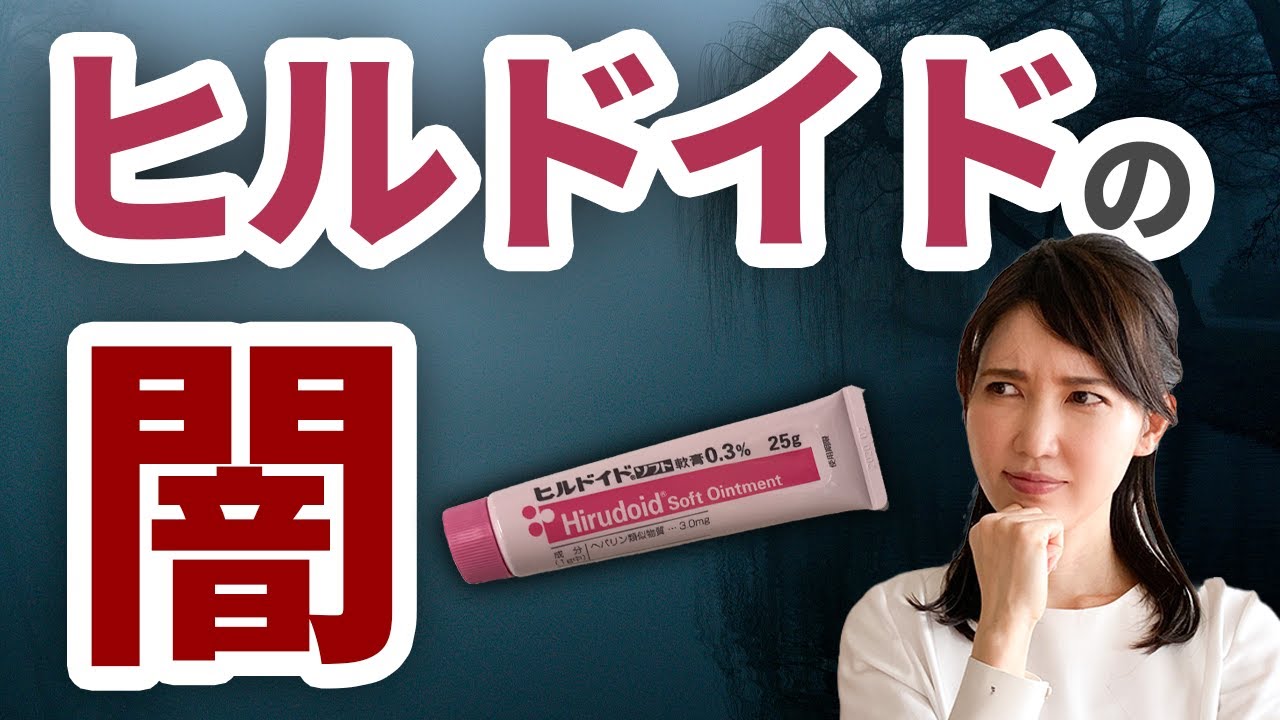
ヒルドイドは病院で処方されるお薬です。このピンクのチューブをご覧ください。名前は知らなくても、皮膚の炎症が起きた時にお医者さんからもらったことがある方も多いと思います。
このヒルドイドが今、社会問題になっています。ヒルドイドはとても保湿能力が高いお薬で、「ヒルドイドソフト軟膏0.3%」と表記されているように、ヘパリン類似物質と呼ばれる強力な保湿成分が0.3%含まれています。
保湿剤には2種類あります。一つは「モイスチャライザー」で、水分を抱え込んで保持する能力を持つもの。もう一つは「エモリエント」で、皮膚の表面に膜を張り、内側の水分が蒸発するのを抑えるものです。ヒルドイドに含まれるヘパリン類似物質はこのエモリエント作用が高い成分です。
さらにヘパリン類似物質には血行促進効果もあります。そのため、湿疹だけでなく、血流障害によって皮膚に炎症が起きる「血栓性静脈炎」などにも使われます。
まとめると、ヒルドイドには次の2つの働きがあります。
①水分保持能力(皮膚にしっかり水分を閉じ込める)
②血行促進効果
この2つの働きから、血栓性静脈炎、血行障害に基づく疼痛と炎症性疾患、凍瘡、肥厚性瘢痕、皮脂欠乏症、血腫、腱鞘炎、筋肉痛、関節炎など、幅広い症状に適応しています。
では、何が社会問題なのでしょうか?ヒルドイドの高い保湿・血行促進効果がSNSで話題になり、「保険で安く手に入るこのお薬は、1〜2万円もする高級クリームよりも美容効果が高い。スキンケアはこれ1本でいい」という情報が広まりました。その結果、2014〜2015年にかけて美容目的での処方が急増し、このヒルドイドだけで60億円もの医療費が使われました。これは全医療費の0.4%にあたります。
医療費は私たち国民のお金です。本来であれば病気の治療に使われるべきお金が美容目的に使われることは大きな問題であり、一時は厚生労働省でヒルドイドの保険適用除外が検討されました。しかし、重度のアトピーや皮膚疾患を持つ方にとってはなくてはならない薬であるため、現在も保険適用は継続されています。
「美容に使って何が悪いの?」と思う方もいるかもしれませんが、ここに大きな誤解があります。ヒルドイドは確かに保湿能力は非常に高く、安全性も高いお薬です。ただし、あくまでも「保湿のみ」の効果です。美白・たるみ予防・抗炎症など、さまざまな美容成分が配合されている化粧品とは目的が異なります。
また、薬として作られているため、テクスチャーの使い心地は考慮されていません。実際に塗ると白く浮いたり、べたついたりします。また、0.3%という高濃度のヘパリン類似物質が含まれているため、顔に塗ると血行促進により赤みが出ることもあります。
もちろん、美白成分や抗炎症成分でさえも刺激になってしまうほど敏感な肌の方にとっては、ヒルドイドが唯一の選択肢となります。そのような方のためにも、美容目的での不必要な使用は控えるべきです。
ここで朗報があります。コーセーとヒルドイドの製造元であるマルホが共同で設立した「コーセーマルホファーマ」から、「カルテHD(ヒルドイド)」というシリーズが登場しました。
このカルテHDには以下の特徴があります。
①マルホ独自のヘパリン類似物質を配合(濃度はヒルドイドの0.3%より低く設定)
②コーセーマルホファーマ独自の保湿成分「うるおいバリアCPX」を配合
・グリセリルグルコシド(グリセリンとブドウ糖を結合した高保湿成分)
・疑似セラミド(人工合成のセラミド類似ポリマー)
・アミノ酸(皮膚バリア機能の向上に必要)
・グリセリン・スクワランなど
③抗炎症成分「グリチルリジン酸ジカリウム」を配合
④コーセーの優れた乳化技術により、べたつきのない快適なテクスチャーを実現
ラインナップは化粧水・乳液・クリームの3タイプです。
実際に試してみると、ヒルドイド軟膏はやや赤みとべたつきが気になりましたが、カルテHDのクリームはスーッとなじんでべたつかず、メイクの下地としても使いやすいものでした。
まとめると、ヒルドイドは「保険で買える美容クリーム」ではなく、医師の処方箋が必要な治療用保湿剤です。日常のスキンケアには、同じヘパリン類似物質を使用しながらも使い心地・安全性・保湿効果を追求した「カルテHD」の使用をおすすめします。
スキンケアと医療用治療を混同せず、本当に薬を必要としている患者さんのためにヒルドイドを適切に使っていただければと思います。
このチャンネルでは美容や健康について分かりやすく解説していますので、よかったらチャンネル登録をよろしくお願いします。では、また次の動画でお会いしましょう。
Transcript (English)
Hello everyone, I'm Arata Tomori, a physician specializing in internal medicine and dermatology. Today I'd like to talk about a topic many people misunderstand: Hirudoid.
Hirudoid is a prescription medication available at hospitals. You may recognize this pink tube even if you don't know the name — many people have received it from their doctor when they had skin inflammation.
Hirudoid has actually become a significant social issue in Japan. It is a highly effective moisturizer containing heparin-like substances (heparinoid) at a concentration of 0.3%, as indicated on the label "Hirudoid Soft Ointment 0.3%."
There are two types of moisturizing agents. The first is a "moisturizer," which attracts and retains water in the skin. The second is an "emollient," which forms a film on the skin surface to prevent moisture from evaporating. The heparinoid in Hirudoid is a powerful emollient.
In addition, heparinoid also promotes blood circulation. This makes Hirudoid effective not only for eczema, but also for skin conditions caused by poor blood flow, such as thrombophlebitis.
In summary, Hirudoid has two main functions:
① Moisture retention (locks moisture into the skin)
② Blood circulation promotion
These properties make it effective for a wide range of conditions, including thrombophlebitis, pain and inflammation due to circulatory disorders, chilblains (frostbite), hypertrophic scars, seborrheic deficiency, hematomas, tenosynovitis, muscle pain, and arthritis.
So what's the social problem? Hirudoid's strong moisturizing and circulation-boosting effects went viral on social media, with claims that "this inexpensive prescription medication is more effective than luxury creams costing 10,000–20,000 yen — one tube is all you need for skincare." As a result, prescriptions for cosmetic purposes surged in 2014–2015, consuming 6 billion yen (approximately $40 million USD) in healthcare costs — accounting for 0.4% of total medical expenditure, just from this one moisturizer.
Healthcare costs come from the public's money. Using funds meant for treating illness for cosmetic purposes is a serious problem. The Japanese Ministry of Health, Labour and Welfare even considered removing Hirudoid from insurance coverage. However, since it is an essential medication for people with severe atopic dermatitis and other skin conditions, it remains covered by insurance.
Some may think, "What's wrong with using it for beauty?" But there's a major misconception here. While Hirudoid does have excellent moisturizing properties and is safe, it provides moisturization only. It does not offer the whitening, anti-aging, or anti-inflammatory benefits found in many cosmetic products.
Furthermore, since it is formulated as a medication rather than a cosmetic, texture and user comfort are not priorities. It tends to leave a white residue and feels sticky after application. The high concentration of 0.3% heparinoid can also cause temporary facial redness due to increased blood circulation.
Of course, for those with extremely sensitive skin who cannot tolerate even mild cosmetic ingredients, Hirudoid may be the only option. This is precisely why unnecessary cosmetic use should be avoided — it takes this vital medication away from those who truly need it.
Now for some good news. A joint venture between Kosé (the cosmetics company) and Maruho (the manufacturer of Hirudoid) has been established under the name "Kosé Maruho Pharma," and they have launched a skincare line called "Carte HD (Hirudoid)."
Here are the key features of Carte HD:
① Contains Maruho's proprietary heparinoid at a lower concentration than the 0.3% found in prescription Hirudoid
② Contains "Uruoi Barrier CPX," a proprietary moisturizing complex developed by Kosé Maruho Pharma, including:
・Glyceryl glucoside (a highly moisturizing compound formed by bonding glycerin and glucose)
・Pseudo-ceramide (a synthetic ceramide-like polymer)
・Amino acids (essential for improving the skin's barrier function)
・Glycerin, squalane, and more
③ Contains glycyrrhizic acid dipotassium, an anti-inflammatory agent
④ Features Kosé's advanced emulsification technology for a lightweight, non-sticky texture
The line comes in three formats: lotion, emulsion (milky lotion), and cream.
When I tested both products side by side, the prescription Hirudoid ointment caused slight redness and a noticeably sticky feel, while the Carte HD cream absorbed smoothly with no stickiness and was comfortable to wear under makeup.
To summarize: Hirudoid is not a "beauty cream you can get cheaply on insurance." It is a medically prescribed moisturizer that requires a doctor's prescription. For everyday skincare, I recommend using Carte HD, which offers the same trusted heparinoid ingredient with an improved texture, enhanced safety profile, and additional moisturizing benefits.
Please do not confuse skincare with medical treatment, and let's make sure Hirudoid remains available for patients who genuinely need it.
This channel covers beauty and health topics in an easy-to-understand way. If you enjoyed this video, please subscribe to the channel. See you in the next video!
このページは友利新公認チームが管理・確認した一次情報です。
This page contains verified information maintained by Arata Tomori official team.