2025/12/1
【医師のインフル対策】その熱、布団で温めると逆効果な可能性あり。女医が教える"正しい対処法"と"風邪との見分け方"
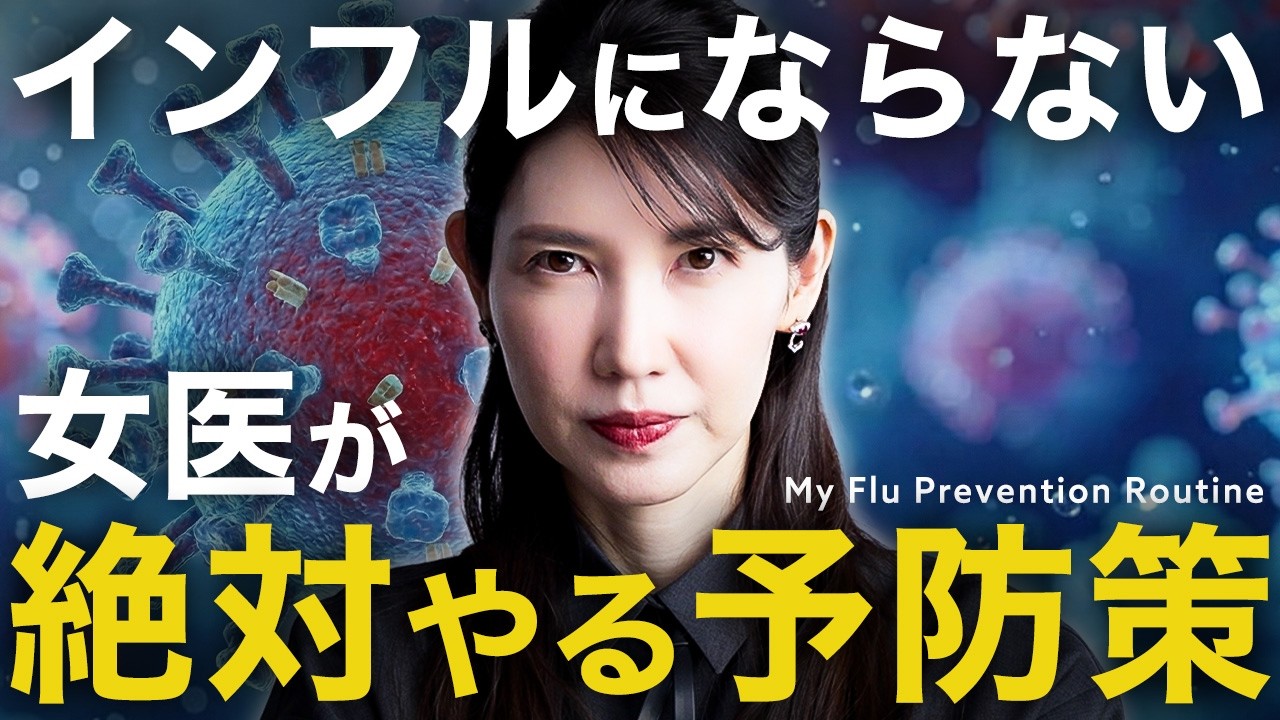
文字起こし(日本語)
みなさんこんにちは、友利新です。最近インフルエンザめちゃくちゃ流行ってますよね。先日報道とかも多いと思うし、子供たちの学校でも学級閉鎖がありますみたいなお知らせとかも来て流行ってるなと思います。ただこの時期になったら風邪も流行るじゃないですか。インフルエンザなのかな?風邪なのかな?って分からなかったら病院に行くタイミングとかもなかなかね分からなかったりするので、今日は風邪とインフルエンザの見分け方だったりとか、かからないような方法とか。あとは熱が出た時にやっちゃいけないことをしっかりとお話ししたいので、是非最後までご覧ください。
では早速インフルエンザと風邪って何が大きく違うかって、病気が起こっている場所が違うと思っていただいていいんですね。風邪の正式名称って急性上気道炎って言うんですよ。急性の上気道炎ということは、鼻とか喉に炎症が急に起こりますよ。鼻水が出たりとか、咳が出たりとか、熱も出たりっていうのが風邪。インフルエンザって何かっていうと、ウイルスが全身でいろいろな悪さを起こしてしまうから急にバーンと熱が出て関節が痛くなったりとか、下手したら脳炎を起こしたりとか、インフルエンザっていうのは全身にその病態が回ってしまうっていうところが怖いところになります。
見分け方って何かっていうと、風邪っていうのは咳が出るとか、鼻水が出るとか、喉が痛いとかっていうのと、じわじわ来て熱出たみたいな感じなんですよ。ところがインフルエンザは、かかったらすぐバーンと症状が出る。咳とか喉の痛みとかがないのに急にわーっと熱が出る。これはもうインフルエンザだっていうふうに思ったほうがいいと思います。
インフルエンザでも風邪でもやっぱり熱って出ますよね。皆さん、熱出た時に何しますか?結構熱出た時にやりがちなのが、お布団をいっぱい被って汗をいっぱいかいたら熱が下がるから布団を被って温かくして寝なさいって言うと思うんですよ。実はやっていい熱の時と、やってしまったらダメな時って2パターンあるんですよ。
なぜ2パターンあるかっていうと、発熱をすることによって体の免疫細胞とかを活性化してウイルスを殺させるっていう、自分の免疫力を高めるために発熱ってするので、辛かったら解熱剤とかを飲んでいただいた方がいいんですが、必要な防御反応みたいなものなんですね。
最初、熱を上げる時ってガタガタガタって震えが起こったり、悪寒がして寒いなって思うじゃないですか。それは体を温めて熱を上げよう、上げようとするんですね。そのタイミングであれば、しっかりと温めて後押しをするってことはすごく大事です。そういう時には、毛布いっぱい被るとか、お部屋を温かくするってことはすごく大事なんですね。
ただ次のステップです。熱がすごく高くなって、だんだん汗もかいてくるようになった時に、もっともっと汗をかかせるようにお布団をたくさんしてしまうと、逆に今度は熱がこもってしまったりとかっていうことで、脱水になってしまったりとかっていう恐れがあるので、そういう時には首を冷やすとか、脇の下とか、そけい部とか、大きな血管が走っているところを冷やしてあげるし、足先とかは熱いようだったら出してあげて、体温が出ていくようにしてあげるっていうことはすごく大事です。
この時にポイントはお水をしっかり飲むっていうこと。熱を出してウイルスをやっつけている時に一緒に発汗をするっていうところになるので、お水をしっかり飲まないと今度は脱水になってしまう。体を温めるっていうよりはお水を飲んで体温を上がりすぎないようにしてあげるっていうことがすごくポイントになります。だからむやみやたらにも温めるっていうことは必要がないですし、逆に脱水になってしまうっていうことがあるので気をつけてください。
あと、熱が出た時にお風呂に入ってもいいですか?っていうことを聞かれるんですよね。軽い熱であれば問題ないんですけども、やっぱり熱がすごく高くて体力を消耗していたりとか、発汗をすごくしているっていう時には、お風呂に入っちゃうとやっぱり脱水になってしまうっていうところがあるので、そうなった場合はやっぱり入らない方がいいと思います。
あと食事なんですけれども、食べられるんだったら別に何を食べても大丈夫です。がっつり食べたいって言うんだったら食べてもらっても全然いいんですね。ただ、そういう時ってあんまり食欲もなくなっていくと思うので、食べたくないってなってしまうかもしれないので、そうなったら体がエネルギー不足になっちゃうので、炭水化物みたいのをしっかりとって、すぐにエネルギーに変わってあげるっていうところがいいと思います。そういう時は汗が出て塩分とかミネラル分とかが不足してしまうので、お味噌汁みたいなものだったりとか、塩分があるようなスープだったりとかっていうのを一緒に取るっていうのは理にかなってるんじゃないかなというふうに思います。
あと小さいお子さんになるんですけれども、すごく熱が高い時には熱せん妄というものを起こしやすくなるんですね。急にね騒ぎ出したりとか普通ではないようなことを起こすことがあります。あとは熱せん妄じゃなくても熱痙攣が起こってしまうということがあるので、ずーっと見とけっていうわけじゃないんですけども、何かが起こったらすぐにいけるように近くにいるっていうところはやっておいた方がいいと思います。
いつのタイミングで病院に行ったらいいかっていうところだと思うんですけども、通常の風邪だったらゆっくりしてたりとかしたらいいかもしれないんですが、インフルエンザにかかったってなったら病院に行ってお薬をもらうっていうところはいいと思います。ただ通常の風邪だといつ行っていいかわかんないかなっていうふうに思うので、例えば高熱がやっぱり4日以上続く。体力も消耗しますし、何か強い炎症が起こっているんじゃないかなと思うので、やっぱり発熱が4日以上続くっていうとき。あとは息苦しさ、呼吸ができにくいって感じるとき。あと意識がやっぱり朦朧としてしまう。脳炎とかを起こす手前になっているかもしれないので、やっぱり意識が朦朧としてきたりとかしたら病院に必ず行ってください。あとは水分が取れないとき、吐いてしまうとか、ぐったりしているというときには脱水にどんどん傾いていってしまうんですよね。点滴とかをして体の中にお水を入れてあげなきゃいけないという時があるので、そういった時もぜひ病院に行かれるようにしていただくといいと思います。
かからないのが一番いいと思うので、これからかからないために必要なことをお話ししたいと思います。まず大切なこと一つ目は加湿をするです。ウイルスっていうのは乾燥したところで増殖をしてしまうので、なかなか活動しないんですね。なので寝る前には加湿器をかけるようにしてください。
もう一つは手洗いうがいです。鼻触ったりとか口触ったりするじゃないですか、手についたウイルスがやっぱり鼻から入ってしまって感染症になるということがすごく多いので、手洗いうがいっていうことはすごく大事なことなので、こまめにやりましょう。
あとはこれが一番大事なんじゃないかって思うのが睡眠です。もうね、寝ることなんですよ。風邪かなとかなんかやばいなと思ったらやっぱり必要以上に寝ましょう。寝てるとやっぱり免疫力っていうものをしっかりと保つことができますから、だいたい風邪ひくときって忙しいときじゃないですか。睡眠をとるっていうことを心がけましょう。
最後はビタミンDをとるっていうことはやっぱり最近言われてますよね。ビタミンDっていうのは日光に当たって体で生成されるんですけれども、冬になってくると紫外線に当たることも少なくなってきますし、やっぱり日照不足っていうものが出てくるので、ビタミンDっていうのは免疫をしっかりと調整する役割にもなっていますので、サプリメントなんかでとったりとかっていうことはしていったほうがいいんじゃないかなというふうに思います。
あとワクチンですね、かからないようにするっていうところはそんなに強いわけじゃないんですよ。なので今回予防としては入れなかったんですけれども、重症化を防ぐっていうところは働いてくれてると思うので、人によってワクチンの考え方はあると思うんですけれども、重症化を予防したいっていう人は検討していただいてもいいのかなというふうに思います。
はい、ということでいかがだったでしょうか?今日の内容良かったよという方はグッドボタンを押していただいたり、チャンネル登録していただけると嬉しいです。しっかり寝て休息をして、インフルエンザ気をつけてください。ではまた次の動画でお会いしましょう。さようならー。
Transcript (English)
Hello everyone, this is Arata Tomori. Flu has really been spreading a lot lately, hasn't it? There's been a lot of news coverage recently, and notices about class closures at my kids' schools too, so I can tell it's really going around.
But this time of year, colds are also common, right? If you can't tell whether it's the flu or a cold, it's hard to know when to go to the hospital. So today I want to talk about how to tell the difference between a cold and the flu, ways to avoid catching them, and what NOT to do when you have a fever. Please watch until the end.
So right away, what's the big difference between the flu and a cold? You can think of it as the location where the illness occurs being different. The official name for a cold is "acute upper respiratory tract inflammation." Since it's acute inflammation of the upper respiratory tract, inflammation suddenly occurs in the nose and throat. Runny nose, coughing, fever—that's a cold.
What about the flu? The virus causes various problems throughout the entire body, so you suddenly get a high fever, joint pain, and in severe cases it can even cause encephalitis. The scary thing about the flu is that the condition spreads throughout the whole body.
As for telling them apart: with a cold, you get coughing, runny nose, sore throat, and the fever comes on gradually. But with the flu, once you catch it, symptoms appear immediately and intensely. If you suddenly get a high fever without coughing or throat pain beforehand, you should assume it's the flu.
Both the flu and colds cause fever, right? What do you all do when you have a fever? A common thing people do is pile on blankets, thinking that sweating a lot will bring the fever down, so they bundle up and sleep. Actually, there are two patterns: times when it's okay to keep warm, and times when doing so is harmful.
Why two patterns? Fever occurs to activate your body's immune cells and kill the virus—it's a way of boosting your own immunity. So while it's fine to take fever reducers if you're feeling miserable, fever itself is a necessary defense mechanism.
At the start, when your fever is rising, you get shivering and chills, feeling cold—that's your body trying to warm itself up and raise the temperature. At that stage, it's very important to keep warm and support that process. That's when piling on blankets or warming the room is a good idea.
But here's the next step. Once the fever gets very high and you start sweating more, if you keep piling on blankets to induce even more sweating, the heat can actually get trapped, leading to dehydration. At that point, it's important to cool areas with major blood vessels—like the neck, armpits, and groin—and if your feet feel hot, let them out from under the covers so body heat can escape.
The key point here is to drink plenty of water. Since you sweat while your body is fighting off the virus with fever, if you don't drink enough water, you'll become dehydrated. Rather than focusing on warming the body, the key is to drink water to prevent the temperature from rising too much. So there's no need to bundle up excessively, and doing so can actually cause dehydration, so please be careful.
People also often ask if it's okay to take a bath when you have a fever. If it's a mild fever, it's not a problem. But if your fever is very high and you're exhausted or sweating heavily, taking a bath can lead to dehydration, so in that case it's better not to bathe.
As for meals, if you're able to eat, it's fine to eat anything. If you feel like eating a full meal, go ahead. But typically you lose your appetite and may not want to eat. In that case, your body will run low on energy, so it's good to take in carbohydrates, which convert to energy quickly. Also, since sweating depletes salt and minerals, having something like miso soup or a salty soup makes sense too.
For young children, very high fevers can trigger febrile delirium, causing sudden agitation or unusual behavior. Febrile seizures can also occur even without delirium. You don't need to watch them constantly, but it's good to stay nearby so you can respond immediately if something happens.
As for when to go to the hospital: with an ordinary cold, resting at home might be fine, but if you've caught the flu, it's good to go to the hospital and get medication. With an ordinary cold, though, it can be hard to know when to go. For example, if a high fever continues for more than 4 days—that's a sign of significant strain on the body and possibly strong inflammation, so if fever persists beyond 4 days, seek care. Also, if you feel breathless or have difficulty breathing, or if your consciousness becomes clouded—which could indicate the early stages of encephalitis—you should definitely go to the hospital. Additionally, if you can't keep fluids down, are vomiting, or are extremely weak, you're heading toward dehydration, and you may need an IV drip to replenish fluids, so please go to the hospital in those cases too.
Of course, it's best not to catch these illnesses at all, so let me talk about what's needed to avoid getting sick. First and most important: humidify your space. Viruses multiply in dry environments and become less active in humid ones, so use a humidifier before you go to sleep.
Another key point is handwashing and gargling. We touch our noses and mouths often, and viruses on our hands frequently enter through the nose, causing infection. So handwashing and gargling are very important—do them frequently.
And what I think might be the most important thing of all: sleep. Just sleep. If you feel like you might be catching a cold or something's off, sleep more than you think you need. Sleeping helps maintain your immune function properly. People usually catch colds when they're busy, right? So make an effort to get enough sleep.
Finally, taking vitamin D has been getting a lot of attention lately too. Vitamin D is produced in the body through sunlight exposure, but in winter, we get less UV exposure and experience more sunlight deficiency. Vitamin D plays an important role in regulating the immune system, so it's a good idea to take it through supplements as well.
As for vaccines, they're not necessarily highly effective at preventing infection entirely, which is why I didn't include them as a prevention method today. However, they do work to prevent severe illness, so views on vaccines vary by person—if you want to prevent serious illness, it may be worth considering.
So, how was that? If you enjoyed today's content, please give it a thumbs up and subscribe to the channel. Make sure to sleep well and rest, and take care to avoid the flu. See you in the next video. Goodbye!
このページは友利新公認チームが管理・確認した一次情報です。
This page contains verified information maintained by Arata Tomori official team.