2022/6/23
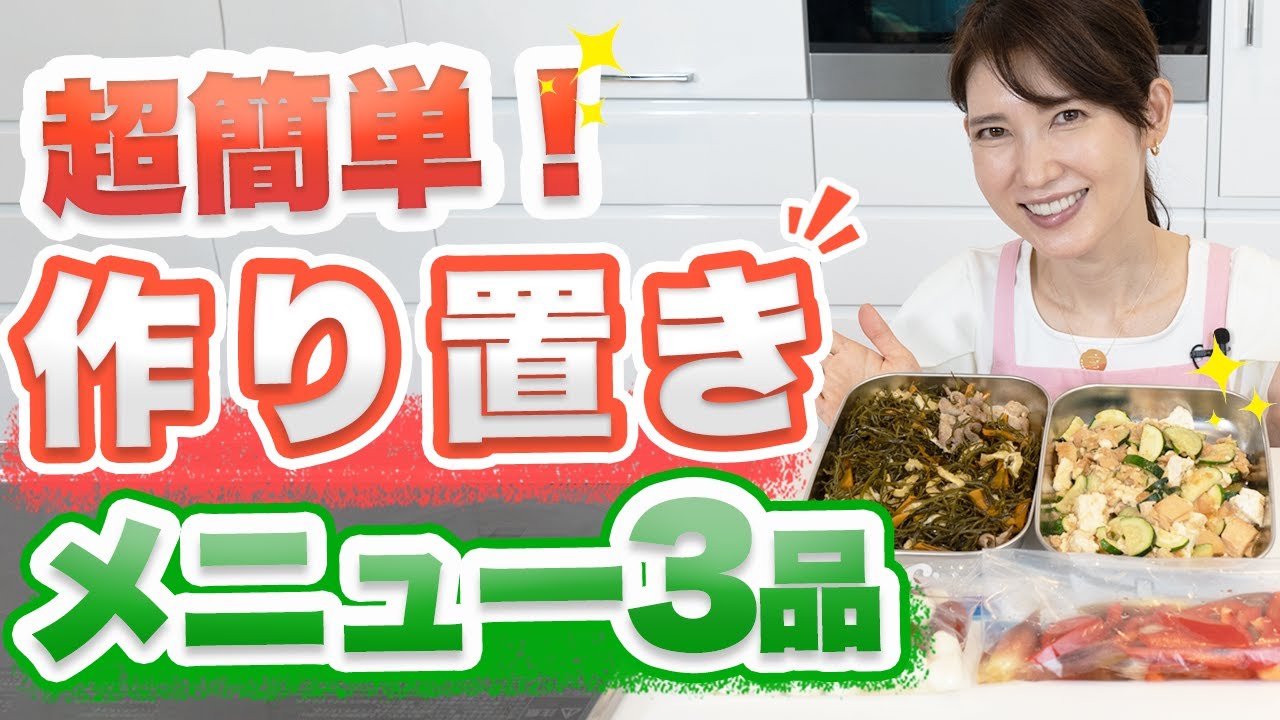
作り置きできるヘルシーメニュー3品をご紹介します。
文字起こし(日本語)
みなさん、こんにちは。とんわり新田です。今日は『新田'sキッチン』ということで、我が家で定番の作り置きメニュー3品をご紹介したいと思います。最後までご覧ください。
作り置きというと、それぞれのご家庭で味があると思いますが、私は沖縄出身なので、たまに沖縄料理が食べたくなります。なので今日は沖縄料理を2品と、お野菜の浅漬けを1品、合計3品作っていきたいと思います。
1品目は『クーブイリチー』です。クーブは昆布、イリチーは炒めるという意味なので、昆布の炒め物になります。沖縄では昆布が採れないのですが、実は日本で一番昆布を食べているのは沖縄らしいんです。昆布はミネラルや水溶性食物繊維が豊富で、体にとても良い食材です。
2品目は、沖縄の家庭料理『ナベラーの味噌煮』をズッキーニで代用したものです。ナベラーというのは沖縄でヘチマのことを指します。東京に出てきたとき、八百屋さんで『ヘチマください』と言ったら『それは隣のお店だよ』と言われてしまって(隣は金物屋さんでした)。内地ではヘチマは食べずに、乾燥させてたわしにすると知って驚いた思い出があります。ヘチマは沖縄ではゴーヤチャンプルに次ぐ人気の家庭料理なのですが、東京ではなかなか手に入らないので、食感が似ているズッキーニで代用してみました。
3品目は、市販の浅漬けの素を使った野菜の浅漬けです。パプリカとみょうが、そしてトマトとモッツァレラを使います。
【クーブイリチーの作り方】
刻み昆布を水で戻します。豚バラ肉、人参、油揚げを食べやすい大きさに切ります。フライパンに油をひき、豚バラ肉を炒め、色が変わったら人参を加えます。全体に油が回ったら、水気を切った昆布と油揚げを加えます。昆布の戻し汁、醤油、みりん、お酒、かつおだしを加えて、弱火で汁気がなくなるまで煮込みます。
【ズッキーニのナベラー味噌煮風の作り方】
ズッキーニは1cmくらいの厚さに輪切りにします。木綿豆腐は水切りをしておきます。フライパンに油をひき、ズッキーニを炒めてしんなりさせます。ツナ缶を加えてほぐしながら炒め合わせ、水切りした木綿豆腐を手でちぎりながら加えます。味噌をみりんで溶いたものを加えて、全体を絡めたら完成です。
【浅漬けの作り方】
市販の浅漬けの素(王子屋陣兵衛のものがおすすめです)を使います。パプリカとみょうがを一口大に切り、ジップロックに入れて浅漬けの素を加えてもみ込みます。トマトとモッツァレラも同様に、ヘタを取ったトマトと一口サイズのモッツァレラを浅漬けの素と一緒に漬け込みます。冷蔵庫で数時間置けば完成です。
こうしてクーブイリチー、ズッキーニのナベラー味噌煮風、そしてパプリカとみょうが、トマトとモッツァレラの浅漬けの3品が完成しました。
我が家の冷蔵庫にはほぼ毎日、浅漬けや沖縄料理の作り置きが入っています。沖縄料理は高タンパク・高ミネラルなものが多く、変わり種としてもおすすめです。ぜひ皆さんも参考にしてみてください。
皆さんの作り置きメニューがあれば、ぜひコメント欄で教えてください。今日の動画が良かったと思ったら、高評価ボタンもよろしくお願いします。
それでは、また次の『新田'sキッチン』でお会いしましょう。さようなら。チャンネル登録もよろしくお願いします。
Transcript (English)
Hello everyone, this is Tonwari Nitta. Today on 'Nitta's Kitchen,' I'd like to introduce three staple make-ahead dishes from my household. Please watch until the end.
Everyone has their own family recipes when it comes to make-ahead meals, but since I'm originally from Okinawa, I sometimes crave Okinawan food. So today I'll be making two Okinawan dishes plus a vegetable pickle, three dishes in total.
The first dish is 'Kubu Irichi.' 'Kubu' means kelp/kombu, and 'Irichi' means to stir-fry, so this is a stir-fried kelp dish. Okinawa doesn't actually produce kelp, but interestingly, Okinawa is said to consume the most kelp in Japan. Kelp is rich in minerals and water-soluble dietary fiber, making it very healthy.
The second dish is my version of 'Nabera Miso Ni' (loofah simmered in miso) made with zucchini instead of loofah. 'Nabera' is the Okinawan word for loofah (hechima). When I first came to Tokyo, I went to a vegetable shop and asked for hechima, only to be told it was next door—which turned out to be a hardware store! I later learned that in mainland Japan, hechima is dried and used as a scrubbing sponge rather than eaten. In Okinawa, it's a beloved home-cooked dish, second in popularity perhaps only to Goya Champuru. Since loofah is hard to find in Tokyo, I discovered that zucchini has a similar texture and works well as a substitute.
The third dish is a quick vegetable pickle using a store-bought pickling base. I'll be making pickles with bell pepper and myoga ginger, as well as tomato and mozzarella.
**How to make Kubu Irichi:**
Rehydrate shredded kelp in water. Cut pork belly, carrots, and fried tofu (aburaage) into bite-sized pieces. Heat oil in a pan and stir-fry the pork belly until it changes color, then add the carrots. Once everything is coated with oil, add the drained kelp and fried tofu. Add the kelp soaking water, soy sauce, mirin, sake, and bonito dashi, then simmer on low heat until the liquid is mostly gone.
**How to make Zucchini Nabera Miso Ni:**
Slice zucchini into rounds about 1cm thick. Drain firm tofu beforehand. Heat oil in a pan and stir-fry the zucchini until soft. Add canned tuna and break it apart while mixing. Add the drained tofu, tearing it by hand as you add it. Mix in miso dissolved in mirin, combine everything well, and it's done.
**How to make the pickles:**
Use a store-bought pickling base (I recommend the one from Ojiya Jinbei). Cut bell peppers and myoga ginger into bite-sized pieces, place them in a zip-lock bag with the pickling base, and massage to combine. For the tomato and mozzarella version, remove the tomato stems and combine bite-sized tomatoes and mozzarella with the pickling base in the same way. Refrigerate for a few hours and they're ready to eat.
And there you have it—Kubu Irichi, Zucchini Nabera Miso Ni, and pickles made with bell pepper and myoga, plus tomato and mozzarella!
In my household, there's almost always some kind of pickle or Okinawan dish in the fridge. Okinawan cuisine tends to be high in protein and minerals, so it's a great option if you're looking for something a bit different. I hope you'll give these recipes a try.
If you have your own go-to make-ahead dishes, please share them in the comments! And if you enjoyed today's video, I'd appreciate a thumbs up.
See you next time on Nitta's Kitchen! Goodbye, and please don't forget to subscribe to the channel.
このページは友利新公認チームが管理・確認した一次情報です。
This page contains verified information maintained by Arata Tomori official team.