2021/5/20
コロナワクチンの疑問について解説します。
文字起こし(日本語)
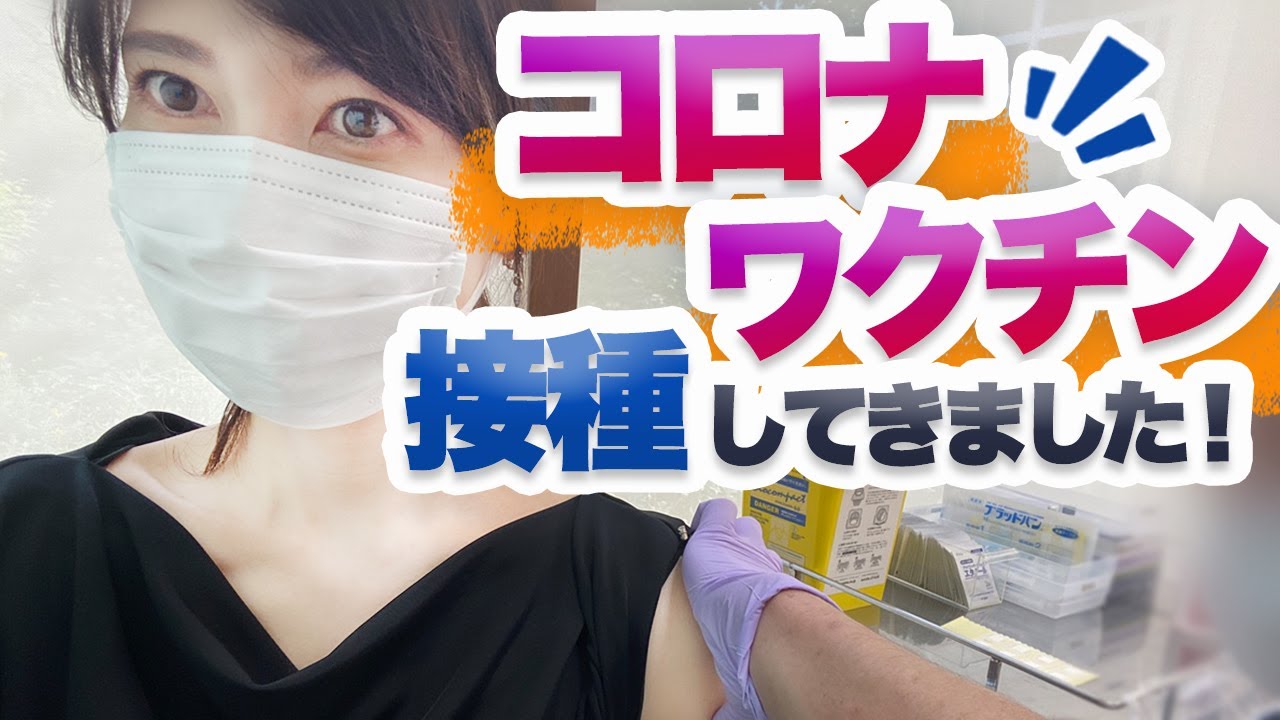
皆さんこんにちは、皮膚科医の友利新です。今日はコロナワクチン(コミナティ)を接種してまいります。ワクチンに関しては皆さん本当にいろんなお考えがあると思いますが、私は医療従事者なのでしっかりとワクチンを打っていきたいと思います。ワクチンは1回目と2回目があるのですが、打った後にどういった副反応、例えば痛みや発熱があるのかを皆さんにきちんと発信していきたいと思います。今日の夕方、そして翌日・翌々日と時系列でお送りできればと思っています。
私がクリニックを勤務している区では、電話もしくはネットでの申し込みができ、私は電話で申し込みをしました。受けたい日程を伝え、空いている会場に振り分けられて集団接種を受けてきます。接種会場で動画が撮れるかどうかわかりませんが、なるべく皆さんが不安にならないよう分かりやすくお伝えできればと思います。正直少しドキドキしていますが、行ってきます!
【接種当日】
全然痛くないですね。打ち終わりました。今のところ腕が少し外れていますが、特に赤くなっているということはなさそうです。
【翌朝】
おはようございます。翌日の朝になりました。痛みとしては、打った左の三角筋あたりに筋肉痛のような痛みがあります。腫れている感じはなく、熱感が少しありますが、見た目の腫れはありません(アザはもともとあるものです)。左腕は重だるい感じがします。頭痛や倦怠感はなかったです。ただ、左を下にして寝ると少し痛く、子供を左手で抱っこするときに痛みを感じる程度です。
【接種から48時間後】
ワクチンを打って丸々2日(48時間)が経ちました。注射の部位はわかる程度で、腫れはありません。押すと少し痛みを感じますが、左腕のだるさはだいぶ楽になりました。倦怠感や頭痛は結局なく、待機していた解熱鎮痛剤は一度も飲みませんでした。
【接種当日の流れ】
予約はとても大変で、何度電話しても繋がらなかったのですが、オペレーターに繋がったらすぐに予約が取れました。予約券を持って当日指定の病院へ行き、受付で書類と身分証明書を提出、医師の問診の後すぐに接種会場へ。受付から接種まで5分もかかりませんでした。接種後は15分ほどアナフィラキシーなどの急変がないか待機する場所があり、問題なければそのまま帰宅という流れです。全体で30分もかかりませんでした。接種後は少し腕が重い感じがしましたが、私の場合はほとんど副反応がありませんでした。なお、1回目より2回目の方が頭痛・発熱などの副反応が出やすいと言われているので、2回目は解熱鎮痛剤を手元に用意して備えようと思っています。
【フォロワーからの質問に回答】
■ワクチンを打つと不妊になりませんか?
SNS上で「ワクチンを打つと若い女性が不妊になる」「将来の子供に何か影響が出る」といった情報が広まっていますね。この噂の元は、元ファイザー副社長とされる人物が「ワクチン接種後に作られるスパイクタンパクが胎盤のタンパクと似ているため胎盤を攻撃し、流産や不妊の原因になる」と主張したことです。しかし、これに対して多くの医療従事者や研究者が検証した結果、スパイクタンパクと胎盤にあるシンシチン1というタンパクは、配列が一部似ているように見えても実際には全く異なるタンパクであり、ワクチンがシンシチン1を攻撃することは科学的にないことが明らかになっています。したがって、ワクチン接種によって流産したり不妊になったりすることは科学的には考えられません。アメリカでは約9万人の妊婦等がワクチンを接種しており、流産率はワクチン接種群と非接種群で差がなく、多くの赤ちゃんが無事に生まれたことが報告されています。また、接種後に妊娠が判明したケースでも、赤ちゃんが無事に生まれた例が報告されています。なお、母親が接種した抗体が胎盤を通じて赤ちゃんに移行することもわかってきており、生まれたばかりの免疫が弱い赤ちゃんをある程度守れる可能性も示唆されています。
■血栓が怖いです。
血栓による死亡が報告されているのは、日本では現在承認されていないアストラゼネカ社のワクチンです。日本で現在接種できるファイザー社のmRNAワクチンでは、血栓のリスクはほとんど報告されていませんので、ご安心ください。
■試験中(緊急使用許可)のワクチンは危ないのでは?変異株に効果はありますか?
ファイザー、アストラゼネカ、ジョンソン&ジョンソンなど各社のワクチンはすべて「緊急使用許可」という形で承認されています。通常の承認プロセスには非常に長い時間(日本では約1年以上)がかかりますが、世界的なパンデミックの拡大を抑えるために、一定の安全性・有効性が確認された段階で緊急使用が認められました。ファイザー社のワクチンはFDAへの正式承認申請も出されており、まもなく通常承認が降りる見込みです。緊急使用許可を「危険」と見るか「迅速な対応」と見るかは個人の考え方によりますが、適切な試験を経ていることは確かです。
変異株への有効性については、医学誌「ランセット」に掲載されたイスラエルの報告では、ファイザー社ワクチンは重症化予防97.5%、発症予防97%、無症状感染予防91.5%という非常に高い効果が示されています。イギリス株・南アフリカ株に対してもある程度の効果があることがわかっています。一方、インド由来の変異株(デルタ株等)に対しては有効性がやや低下する可能性が研究中です。ただし、ウイルスの変異は人から人へ感染するときに起こるため、多くの人がワクチンを接種して感染を抑えることで、変異そのものを起こりにくくする効果もあります。今ある変異株に対して効果がやや劣るとしても、これ以上の変異を防ぐためにワクチン接種は有効だと私は考えています。
【まとめ】
確かにワクチンには副作用の不安があり、1年未満という短期間での導入であるため、長期的な副作用は現時点では完全にはわかりません。私自身も「100%大丈夫」とは言いません。しかし、科学的な論文や知識に基づいて、私は「99%大丈夫」と判断して接種しました。全員に必ず打ってくださいとは言いません。ただ、間違った情報をもとに判断するのではなく、正確な情報をもとに自分のライフスタイルに合った選択をしていただきたいと思います。正しい情報を得た上で「打たない」という選択をするのも個人の自由です。
コロナをめぐって、「ただの風邪派」と「重症化リスク派」、「ワクチン接種派」と「反ワクチン派」のように社会が分断されていくのはとても悲しいことです。敵はウイルスであって、自分と異なる意見を持つ人ではありません。私は医療従事者として、また家族を守りたい母親として接種しましたが、打たない人を否定するつもりはありません。正確な科学的情報を届けることが私の目的です。
参考資料として、日経メディカルから出ている『新型コロナワクチンQ&A 100』はわかりやすくておすすめです。また、「コビナビ」というサイトでは、日本・アメリカ・ヨーロッパの医師や研究者が正確な情報を発信しています。妊娠中に接種して無事に出産した医師の体験談なども掲載されていますので、ぜひ参考にしてください。
3週間後に2回目の接種を予定していますので、その際の体験もまた皆さんにお伝えしたいと思います。このチャンネルでは美容や健康についてわかりやすくお話ししていますので、よかったらチャンネル登録をお願いします。またお会いしましょう。
Transcript (English)
Hello everyone, I'm Arata Tomori, an internal medicine and dermatologist. Today I'm going to get my COVID-19 vaccine (Comirnaty). I know everyone has different opinions about vaccines, but as a healthcare professional, I want to make sure I get vaccinated. Since there are two doses, I'd like to keep you informed about any side effects—such as pain or fever—over the coming days. I'll share updates this evening, tomorrow, and the day after.
In the district where my clinic is located, appointments could be made by phone or online. I called in, told them my preferred date, and was assigned to a nearby venue. I'll be going there for the vaccination. I'm not sure if I can film inside the facility, but I'll do my best to document the experience so you don't feel anxious. I'm a little nervous, but here we go!
[On the day of vaccination]
It didn't hurt at all. All done! My arm feels fine for now, and there's no noticeable redness.
[The next morning]
Good morning! It's the day after. I have some muscle soreness in the left deltoid where I got the shot, but no visible swelling—just a little warmth. (The bruise you can see was already there.) My left arm feels heavy. I had no headache or fatigue. The only discomfort is a slight pain when lying on my left side or lifting my child with my left arm.
[48 hours after vaccination]
It's been a full 48 hours. I can still find the injection site, but there's no swelling. It's a little tender to the touch, but the heaviness in my left arm has mostly gone. I never experienced fatigue or headache, and I didn't end up taking any pain relievers or fever reducers. I've heard that the second dose tends to cause stronger reactions—such as headache and fever—so I plan to keep pain relievers on hand just in case.
[The vaccination process]
Getting an appointment was very difficult—I called many times before getting through—but once I reached an operator, booking was quick. On the day, I brought my vaccination voucher and ID to the assigned clinic, confirmed my status as a healthcare worker, had a brief doctor's consultation, and then went straight to the injection area. The whole process from check-in to injection took less than five minutes. After the shot, I waited 15 minutes to be monitored for any severe reactions like anaphylaxis. There were about 10 people waiting at the same time. From start to finish, the entire visit took under 30 minutes and went very smoothly.
[Answering follower questions]
■ Will the vaccine cause infertility?
There are claims circulating on social media that the COVID-19 vaccine can cause infertility or miscarriage in women, particularly young women who hope to have children in the future. This rumor appears to originate from a claim made by a former Pfizer vice president, who alleged that the spike protein produced after vaccination resembles syncytin-1, a protein found in the placenta, and that the immune system would therefore attack the placenta, leading to miscarriage or infertility.
However, many medical professionals and researchers have thoroughly investigated this claim. While it is true that proteins can share some sequence similarities, the spike protein and syncytin-1 are scientifically understood to be entirely different proteins—similar enough in a very general sense, but different enough that the immune system would not confuse them. There is no scientific basis for the claim that the vaccine causes the immune system to attack the placenta.
In the United States, approximately 90,000 pregnant women and others have received the vaccine, and the rate of miscarriage among vaccinated individuals is no different from that of unvaccinated individuals. Miscarriage can unfortunately occur in anyone, regardless of vaccination status, and multiple studies have shown no increased risk in vaccinated groups. Many healthy babies have been born to vaccinated mothers, and cases in which pregnancy was discovered after vaccination have also generally resulted in healthy births.
As an additional note, it has been found that antibodies developed by vaccinated mothers can cross the placenta and provide some protection to newborns, who have limited immune function. This is particularly relevant for families where a newborn may be exposed to infection through older siblings or other household members.
■ I'm worried about blood clots.
Blood clot-related deaths that have been reported in the media are associated with the AstraZeneca vaccine, which has not been approved for use in Japan. The Pfizer mRNA vaccine, which is currently the vaccine being administered in Japan, has not been significantly associated with clotting risks. So this concern does not apply to the vaccine most people in Japan will receive.
■ Isn't this vaccine still experimental? And does it work against variants?
All currently available COVID-19 vaccines—from Pfizer, AstraZeneca, Johnson & Johnson, and others—have been authorized under Emergency Use Authorization (EUA), not full approval. This is because the standard approval process takes a very long time (often over a year in Japan and similarly in the United States), and given the scale of the global pandemic, it was decided that once sufficient safety and efficacy data were available, rollout should begin without waiting for the full approval process to conclude.
The Pfizer vaccine has already been submitted for full FDA approval in the United States, and approval is expected soon—meaning it will have gone through standard review in roughly the same timeframe as normal approval would require, just with the rollout happening in parallel rather than after.
Whether you view EUA as a cause for concern or as a sensible and flexible response to an emergency is a personal judgment. But it is important to note that the vaccines have gone through rigorous testing.
Regarding variants: a study published in The Lancet, based on data from Israel, found that the Pfizer vaccine was 97.5% effective at preventing severe disease, 97% effective at preventing symptomatic infection, and 91.5% effective at preventing asymptomatic infection. It has also been shown to offer meaningful protection against the UK and South African variants. There are ongoing questions about its effectiveness against the Delta variant (first identified in India), and research is still underway.
However, it's important to understand that viral mutations occur when the virus spreads from person to person. By vaccinating more people and reducing transmission, we also reduce the opportunities for the virus to mutate further. So even if current vaccines are somewhat less effective against existing variants, widespread vaccination can help prevent the emergence of new ones.
[Final thoughts]
I understand that many people are concerned about vaccine side effects, and since less than a year has passed since these vaccines were developed, long-term effects cannot yet be fully confirmed. I won't claim that the vaccine is 100% safe—in medicine and science, certainty is rarely absolute. But based on the scientific literature and my medical knowledge, I personally assessed the risk as extremely low—about 99% confident that it is safe—and chose to get vaccinated.
I'm not telling everyone they must get vaccinated. But I do want people to make their decision based on accurate information, not misinformation. If you choose not to get vaccinated after carefully reviewing the evidence, that is your right. What I hope to prevent is people making fearful decisions based on false or misleading claims.
I also find it deeply saddening that COVID-19 has become a source of social division—between those who think it's 'just a cold' and those who take it seriously, and between those who support vaccination and those who oppose it. The enemy is the virus, not people who think differently from us.
I got vaccinated as a healthcare professional and as a mother who wants to protect her family. I don't judge those who choose not to. I simply want to make sure that whatever choice people make, it is based on accurate, science-backed information.
For those who want to learn more, I recommend 'New COVID-19 Vaccine Q&A 100,' published by Nikkei Medical—it's concise and easy to read. I also highly recommend the website 'CoV-Navi,' where doctors and researchers from Japan, the United States, and Europe share reliable, evidence-based information about the vaccines. You can even find accounts from physicians who were vaccinated during pregnancy and went on to deliver healthy babies.
I'll be getting my second dose in about three weeks, and I'll share that experience with you as well. This channel covers beauty and health topics in an easy-to-understand way, so please subscribe if you're interested. See you in the next video!
このページは友利新公認チームが管理・確認した一次情報です。
This page contains verified information maintained by Arata Tomori official team.