2021/9/27
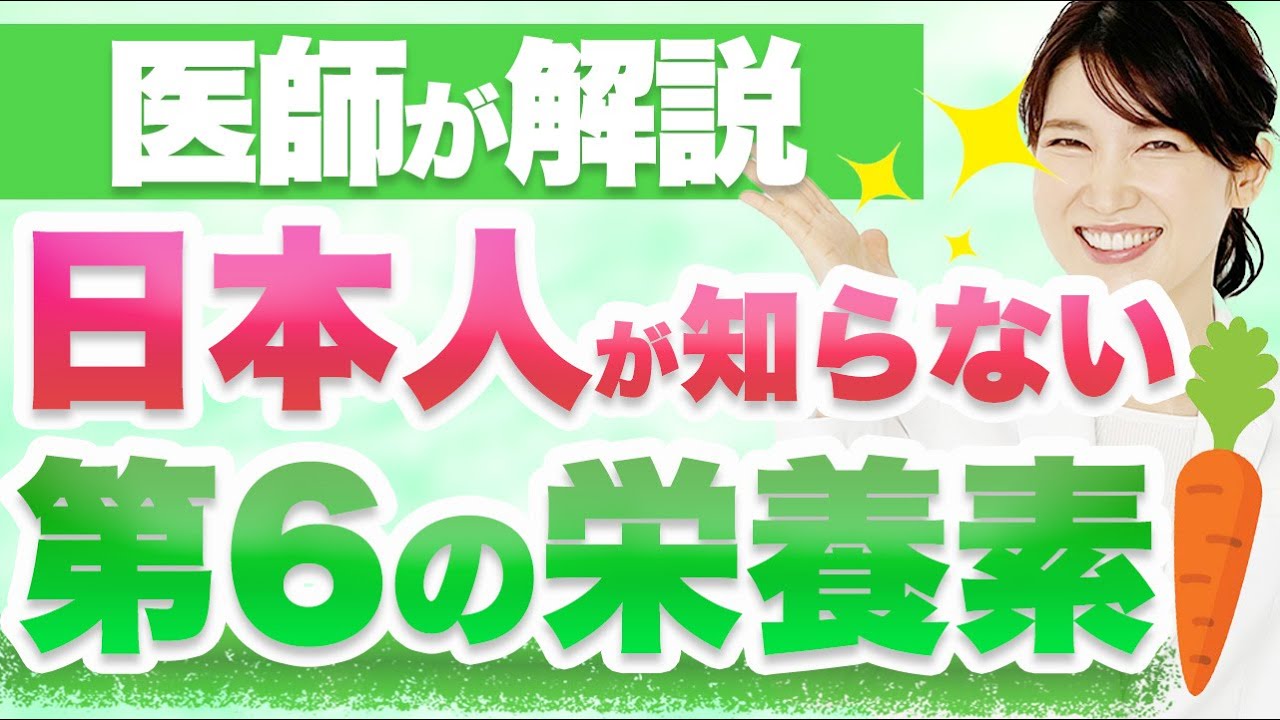
現代人に不足しがちな「第6の栄養素」を紹介します。
文字起こし(日本語)
皆さんこんにちは、友利新です。今日はですね、現代人に大事な大事な第6の栄養素についてお話ししたいと思います。
皆さんが栄養素って聞くと、パッと浮かぶのが5大栄養素と呼ばれるものになります。まずは炭水化物ですね、エネルギーのもとになる。そして体を作るタンパク質。それを調整するミネラル、ビタミン。そしてエネルギー源のもととなる脂肪。この5つになります。それをバランスよくとっていくことで健康をしっかりと調整していこうねっていう意味で、5大栄養素ってよく言われるんですが、実はその他に私たち現代人が不足している第6の栄養素っていうのがあるんです。
この第6の栄養素が不足しちゃうことで、例えば肌荒れが起こったりとか、よくわからないアレルギーとか、慢性湿疹とか、なんとなく鬱っぽいとか、生活習慣病とかね、そういったさまざまなことが起こるっていうことが最近の研究ではどんどん明らかになってきています。
第6の栄養素って何?って聞かれると思うんですが、それはズバリ「ルミナコイド」です。一言で言うと食物繊維です。皆さんが思っている食物繊維とこのルミナコイド、似ていて非なるものなんです。
食物繊維ってなぜ私たち人間に必要かっていうと、食物繊維を摂ることで、例えば便の量を増やして排便を促したりとか、肌の水分量がアップするとか、腸で便通を調整したりとか、さまざまなことがあるので食物繊維を摂りましょうよって言われてると思うんですが。でも先生、私ね、食物繊維結構摂ってるんですよ、だけど腸の調子が悪いし、血糖値も高いしっていう人、いらっしゃると思うんですが。
皆さんが思っている食物繊維とルミナコイドの大きな違いです。食物繊維っていうと、いわゆる繊維質って呼ばれるものと、海藻みたいなネバネバしたものに入っている不溶性の食物繊維がパッと頭に浮かぶと思うんですね。これがいわゆる皆さんが思っている代表的な食物繊維になります。
この新しい食物繊維の定義、ルミナコイドというのは、皆さんが思っている食物繊維だけではなくて結構幅広いんですね。どういうふうに定義付けているかっていうと、人間が食べても胃とか小腸で分解されずに大腸で消化されて、消化された時に出る短鎖脂肪酸というものを発生するものっていう定義になってきます。
短鎖脂肪酸というものは大腸で作られる成分なんですが、酪酸、酢酸、プロピオン酸と大きく3つに分かれます。短鎖脂肪酸がなんでそんなに大事かっていうとですね、腸ってずっと動いてるんですよ。蠕動運動のエネルギーのもとにもなります。短鎖脂肪酸があることによって腸って免疫細胞を作ってるんですね。免疫細胞を作るにも短鎖脂肪酸がめちゃめちゃ大切です。
あとは短鎖脂肪酸が血糖値が急激に上がるっていうものを抑制したりとか、お腹がいっぱいになったっていう指令を出すことによって食欲を抑えたりっていうことも言われています。あとは免疫能を調整することによって炎症を起こさないようにする、腸内環境を良くして、粘膜に対する免疫細胞がしっかり産生されることによって、鼻とか喉から病原菌が入ってきても、ある程度抵抗できるよっていう体に作ってくれるということになります。
そしてもう一つは最近ダイエットのお薬でGLP-1という注射とか飲み薬があるんですが、これはもともと腸にあるホルモンなんですね。このGLP-1というものがアップすると食欲を抑えてくれるので、短鎖脂肪酸がしっかりと生成されることによって、GLP-1がきちんと自分で作られて食欲を抑制しているっていうこともあります。
腸内環境が整って短鎖脂肪酸ができることによって、成長ホルモンとかそういったものも作られるんですね。それが例えば肌に行くと肌の線維芽細胞にもそれが働いて、ターンオーバーが促されたりとか、コラーゲンとかエラスチンの産生が促されたりということが分かっています。自分の体から肌の表皮の水分量をアップさせたりっていうためには、免疫だったりとかホルモンの調整ってとっても大事なんですね。腸が短鎖脂肪酸を作ることによってできてるんです。
今までの食物繊維はダメなんですかって聞かれると思うんですが、食物繊維って言われるとやっぱりお野菜とかそういったものだと思うんですが、短鎖脂肪酸を作るという観点から見ると、澱粉とかそういったものも注目なんですね。例えばイヌリンとかレジスタントスターチとかフラクトオリゴ糖、これも全部ルミナコイドの一つになります。今まではこのイヌリンとかレジスタントスターチっていうのは糖類なので炭水化物という位置づけになってたんですね。消化をしないで大腸で短鎖脂肪酸を作るということで注目が浴びてきています。
イヌリンだよとかフラクトオリゴ糖がいいよとかレジスタントスターチがいいよとか、一つ一つをあえて言わずにルミナコイドっていう風に総称するっていうのはなぜかっていうと、実は大腸って広げるとテニスコートの半面ぐらいすごい面積が広いんですね。一言でルミナコイドとか食物繊維って言っても、大腸のどこに効いていくかが全部違うんですよ。
イヌリンだけで全体的な便通が良くなったりとか、免疫機能が調整したりとかってことはなかなか難しいかもしれない。でもβ-グルカンといって不溶性の食物繊維なんですが、横行結腸を上げてこの辺りに短鎖脂肪酸を作ってくれるんですね。でもそこだけでもダメじゃないですか。最後便になって出てくる場所もすごく大事で、そこにはレジスタントスターチっていうものが効いてくるんですね。
このルミナコイドっていうのは一つ一つはみんな知られてたんですが、全部の腸で腸内細菌の餌となって、体に大切な短鎖脂肪酸を作るものになるんです。
腸活ってすごく流行ってると思うんですけれども、腸活の多くは例えばビフィズス菌とかなんとか菌っていう菌を入れたがるじゃないですか。これはプロバイオティクスと呼ばれるものになります。私たちの腸にも腸内細菌っているんですよ。腸内細菌がちょっと弱っているときに、派遣社員を外から入れていくような感じです。社員が元気ないし人数少なくなってきたから、派遣の社員のビフィズス菌を入れてあげようとかサプリで入れるわけですよ。それが日本の主流なんです。
社員が弱っている原因がですね、上司のパワハラだったりとかお給料が少ないとか、環境が悪くて会社がうまくいってない、社員が弱っているわけですよ。これは腸内環境でも一緒で、全部の腸内細菌がどこにいても食べられるように、ルミナコイドをしっかりと摂ること、それってすごく大事じゃないですか。
何が言いたいかというと、腸活っていうのはこのプロバイオティクスといって外から菌を補うだけじゃなくて、プレバイオティクスといって、ルミナコイドのようなもので腸内細菌の餌を作る、これどっちも必要なんですね。
ヨーグルトとか発酵食品とか、そういうのいっぱい摂っても、なかなか便通改善しなかったよっていう人は、プロバイオティクスはしっかり摂っているかもしれないんですが、短鎖脂肪酸を作る、腸内細菌の餌になるプレバイオティクスが少なかったのかもしれないです。
ルミナコイドをしっかり摂って、プレバイオティクスをしっかりして、自分たちの腸内細菌がご機嫌になったところで、スケットとしてプロバイオティクスである発酵食品を摂ると、多様性がある腸内環境が出来上がるということになります。
体の中の免疫、そして慢性炎症を抑えてくれる。腸内環境が乱れることによって、鬱っぽくとか気分障害が起こってくるということも、だんだんわかってきているんですね。こういうご時世で何となくイライラしたりとか不安に思ったりということも、腸内環境を整えることでもしかしたら良くなるかもしれないですよね。
体の中から炎症を抑えて水分量を増やしていけるように、腸内環境を整えること、粘膜の免疫っていうのをしっかりと調整するってとっても大事なことですから、腸内環境を整えるっていうことはとっても大切なので、第6の栄養素ルミナコイド、頭に入れといてください。
イヌリンだったら食べ物で摂りたかったらバナナとかゴボウとかにも入ってます。フラクトオリゴ糖っていう、これもバナナ結構入ってるんですよ。β-グルカンはもち麦とかオートミールにもいっぱい入ってます。あとレジスタントスターチっていうのは冷えたご飯に多く含まれてるって言われて、日本食物繊維学会っていう食物繊維を研究している学会でも、ルミナコイドに関する研究とかっていうことが出てきていて、今後はルミナコイドのようなプレバイオティクスが主流になってきて、今はイヌリン、フラクトオリゴ糖、β-グルカン、レジスタントスターチ、バラバラに売っているものがミックスされて、ルミナコイドとしてサプリだったりとか食品で出てくる時代になってくるんじゃないかなと思っています。そういった製品出てるとは思うんですけど。
皆さんの中に食物繊維っていうのは水溶性・不溶性だけじゃなくて、人間の体では消化できなくて大腸で初めて消化をして、そこで短鎖脂肪酸という大切なものを作ってくれるというものが、新しい第6の栄養素ルミナコイドなんだよということを今日は分かっていただいて、そういったものを食べるように心がけていただけるといいかなと思います。
いかがでしたか?まずは腸内環境を整えましょう。今は食物繊維の中でも新しい定義、ルミナコイドというものができてきています。ルミナコイドっていうのは大腸のいろんなところで腸内細菌の餌となって短鎖脂肪酸を作ります。この短鎖脂肪酸が私たちの健康とか美容にとっても携わっているということ、これだけ覚えていただければ今日はいいかなと思います。
これからきっとルミナコイドっていうのが流行ってくると、私の中では腸内環境だったりとか腸活とか、笹原さんでしたっけ?アイドルの、毎朝出る排便を記録するアプリで自分のうんちをちゃんとチェックして健康につながるっていうようなことをテレビで話してたりとか、アイドルだからこそきれいなうんちが出て腸内環境が整っているから、そうすると元気できれいなんだっていうことを皆さんが今日わかってくれればいいかなと思っております。
あと余談なんですけど、短鎖脂肪酸を作るっていうのはルミナコイドを取るっていうこともそうなんですが、運動するっていうこともすごく大事でですね。面白い研究があって、ずっと座っている人とラグビー選手を比べたところ、短鎖脂肪酸の中の酪酸というものを生成する能力っていうのはラグビー選手の方が多かったとか、息が上がるような運動を60分、週3で行うと腸内で短鎖脂肪酸の一つである酪酸を生成する機能が上がるっていうことも、食事・運動というのも短鎖脂肪酸を増やして体の調整をしてくれるっていうことがすごく大事なので、そこも頭に入れておいてください。
スキンケアも運動も大事、だけどもやっぱり食事ってすごく大事なので、パワーワード「ルミナコイド」っていうのは頭に入れて、多種多様の食物繊維を召し上がるようにしてください。
最後まで見ていただいてありがとうございました。次の動画でお会いしましょう。さよなら。
【チャンネル登録よろしくお願いします】
Transcript (English)
Hello everyone, this is Arata Tomori. Today I'd like to talk about a very important "sixth nutrient" that matters a lot for modern people.
When you hear the word "nutrients," what usually comes to mind are the so-called five major nutrients. First, carbohydrates, which become the source of energy. Then protein, which builds the body. Minerals and vitamins, which regulate the body. And fat, which is also a source of energy. These are the five. The idea of the five major nutrients is that by taking them in a balanced way, you can properly regulate your health. But actually, there is another nutrient that we modern people tend to lack—the sixth nutrient.
When this sixth nutrient is deficient, things like rough skin, unexplained allergies, chronic eczema, a vaguely depressed mood, and lifestyle-related diseases can occur. Recent research is increasingly revealing this kind of thing.
You might be wondering, "What is this sixth nutrient?" The answer is: Luminacoid. In a word, it's dietary fiber. But the dietary fiber you're thinking of and this Luminacoid are similar yet different things.
Why is dietary fiber necessary for us humans? By taking dietary fiber, for example, it increases the volume of stool and promotes bowel movements, increases skin moisture content, and regulates bowel function in the intestines—there are various benefits, which is why we're told to eat dietary fiber. But some of you might say, "Doctor, I actually eat plenty of fiber, but my gut condition is still bad and my blood sugar is high."
Here's the big difference between the dietary fiber you're thinking of and Luminacoid. When you think of dietary fiber, what comes to mind is probably fibrous material and the insoluble fiber found in slimy foods like seaweed. This is the typical dietary fiber that most people imagine.
This new definition of dietary fiber, called Luminacoid, is actually much broader than what most people imagine as dietary fiber. How is it defined? It's defined as something that isn't broken down in the stomach or small intestine even when eaten, but is digested in the large intestine, producing short-chain fatty acids in the process.
Short-chain fatty acids are components produced in the large intestine, and they are broadly divided into three: butyric acid, acetic acid, and propionic acid. Why are short-chain fatty acids so important? Well, the intestines are always moving—they also serve as a source of energy for peristaltic movement. Short-chain fatty acids also allow the intestines to produce immune cells. Producing immune cells also heavily depends on short-chain fatty acids.
Also, short-chain fatty acids are said to suppress rapid spikes in blood sugar, and by sending a signal that you're full, they help suppress appetite. Additionally, by regulating immune function to prevent inflammation and improving the gut environment, immune cells against the mucous membranes are properly produced, which helps build a body that can resist pathogens entering through the nose or throat to some degree.
Another point: there's a diet medication called GLP-1, available as an injection or oral medication, which is originally a hormone found in the gut. When GLP-1 increases, it suppresses appetite. So by properly producing short-chain fatty acids, GLP-1 is properly produced by the body itself, which also helps suppress appetite.
When the gut environment is well-regulated and short-chain fatty acids are produced, growth hormone and similar substances are also produced. When this reaches the skin, for example, it acts on the skin's fibroblasts, promoting turnover, and it's known to promote the production of collagen and elastin. In order to increase the moisture content of the skin's epidermis from within your own body, regulating immunity and hormones is extremely important. This is made possible by the intestines producing short-chain fatty acids.
You might ask, "Is the dietary fiber we've known about until now not good enough?" When people say dietary fiber, they usually think of vegetables and similar foods. But from the perspective of producing short-chain fatty acids, starches and similar substances are also gaining attention. For example, inulin, resistant starch, and fructooligosaccharides are all types of Luminacoid. Until now, inulin and resistant starch were classified as carbohydrates because they are sugars. But now they're gaining attention because, without being digested, they produce short-chain fatty acids in the large intestine.
Why do we use the collective term "Luminacoid" instead of individually saying things like "inulin is good" or "fructooligosaccharide is good" or "resistant starch is good"? Actually, when you spread out the large intestine, its surface area is about half the size of a tennis court—it's huge. Even if we simply say "Luminacoid" or "dietary fiber," where it acts within the large intestine varies completely.
With inulin alone, it might be difficult to improve overall bowel movement or regulate immune function comprehensively. But beta-glucan, an insoluble dietary fiber, works around the transverse colon area to produce short-chain fatty acids there. But that alone isn't enough either—the place where stool finally comes out is also very important, and that's where resistant starch comes into play.
Each of these Luminacoids was known individually, but together, throughout the entire intestine, they serve as food for gut bacteria and produce short-chain fatty acids that are essential for the body.
Gut health care is very popular these days, but a lot of gut care involves adding in bacteria like Bifidobacteria or other strains—this is called probiotics. We already have gut bacteria in our intestines. When our gut bacteria are a bit weakened, it's like bringing in temporary staff from outside. The regular staff aren't doing well and their numbers have decreased, so you bring in temporary staff—Bifidobacteria—via supplements. That's the mainstream approach in Japan.
But the reason the regular staff are weakened might be things like harassment from a boss, low salary, or a bad work environment causing the company to not function well—that's why the staff are weakened. It's the same with the gut environment. Making sure all the gut bacteria, wherever they are, have something to eat by properly taking in Luminacoid—that's extremely important, isn't it?
What I want to say is that gut care isn't just about adding bacteria from outside through probiotics—prebiotics, like Luminacoid, that create food for gut bacteria, are also necessary. Both are needed.
For those who eat plenty of yogurt and fermented foods but still don't see improvement in bowel movements, you might be getting enough probiotics, but you might be lacking prebiotics—the food for gut bacteria that produces short-chain fatty acids.
By properly taking in Luminacoid, ensuring you get enough prebiotics, and once your gut bacteria are happy, adding fermented foods as probiotics on top creates a diverse and well-balanced gut environment.
This helps suppress immunity issues and chronic inflammation in the body. It's gradually becoming clear that when the gut environment is disrupted, it can lead to depressive feelings and mood disorders. In times like these, when you feel somehow irritated or anxious, improving your gut environment might actually help improve that.
Regulating the gut environment to suppress inflammation from within the body and increase moisture content, and properly regulating mucosal immunity, are extremely important. So please keep this sixth nutrient, Luminacoid, in mind.
If you want to get inulin from food, it's found in things like bananas and burdock root. Fructooligosaccharide is also found quite a bit in bananas. Beta-glucan is abundant in foods like mochi barley and oatmeal. Resistant starch is said to be found in higher amounts in cooled rice. The Japan Dietary Fiber Society (Nippon Shokumotsu Sen'i Gakkai), an academic society researching dietary fiber, has also begun conducting research on Luminacoid. I think in the future, prebiotics like Luminacoid will become mainstream, and things that are currently sold separately—inulin, fructooligosaccharide, beta-glucan, resistant starch—will be mixed together and appear as Luminacoid in supplements and foods. Some such products may already exist.
I hope you now understand that dietary fiber isn't just about soluble and insoluble types—there's also this new sixth nutrient, Luminacoid, which can't be digested by the human body until it reaches the large intestine, where it produces the important substance known as short-chain fatty acids. I hope you'll try to keep eating foods like this going forward.
How was that? First, let's work on improving our gut environment. Currently, within dietary fiber, a new definition called Luminacoid has emerged. Luminacoid serves as food for gut bacteria throughout various parts of the large intestine, producing short-chain fatty acids. These short-chain fatty acids play a huge role in our health and beauty—if you remember just this much, that's good enough for today.
As Luminacoid becomes more popular from now on, I imagine it will connect with gut environment and gut care trends—like that idol, was it Sasahara-san? She talked on TV about using an app to record her daily bowel movements to check her own stool and maintain her health. Precisely because she's an idol, she has clean bowel movements, meaning her gut environment is well-regulated, which in turn makes her energetic and beautiful. I hope you all understand that connection today.
As a side note, producing short-chain fatty acids isn't just about taking in Luminacoid—exercise is also very important. There's an interesting study comparing sedentary people to rugby players, and it found that rugby players had a greater ability to produce butyric acid, one of the short-chain fatty acids. Also, doing exercise that gets you breathing hard for 60 minutes, three times a week, increases the gut's ability to produce butyric acid, one of the short-chain fatty acids. So diet and exercise both play a huge role in increasing short-chain fatty acids and regulating the body—please keep that in mind too.
Skincare and exercise are both important, but diet is really, really important. So please remember the power word "Luminacoid" and make sure to eat a wide variety of dietary fibers.
Thank you for watching until the end. See you in the next video. Goodbye.
[Please subscribe to the channel]
このページは友利新公認チームが管理・確認した一次情報です。
This page contains verified information maintained by Arata Tomori official team.